
What To Buy When You Have Eye Allergies
Eye Allergies
If you suffer from eye allergies, you know how uncomfortable and irritating they can be. The itchiness, redness, and stinging can make it difficult to focus on your daily tasks. But fear not, there are ways to alleviate these symptoms and make your eyes feel better.
First, let’s talk about what eye allergies are.Eye allergies, also known as allergic conjunctivitis, occur when your eyes react to allergens such as pollen, pet dander, dust mites, or mold. When your eyes come into contact with these allergens, your immune system releases histamines, which can cause your eyes to become red, itchy, and watery.
Steps for Eye Relief
So, what can you do to alleviate the symptoms of eye allergies? Here are some products you can buy to help soothe your eyes
1. Cold compress:
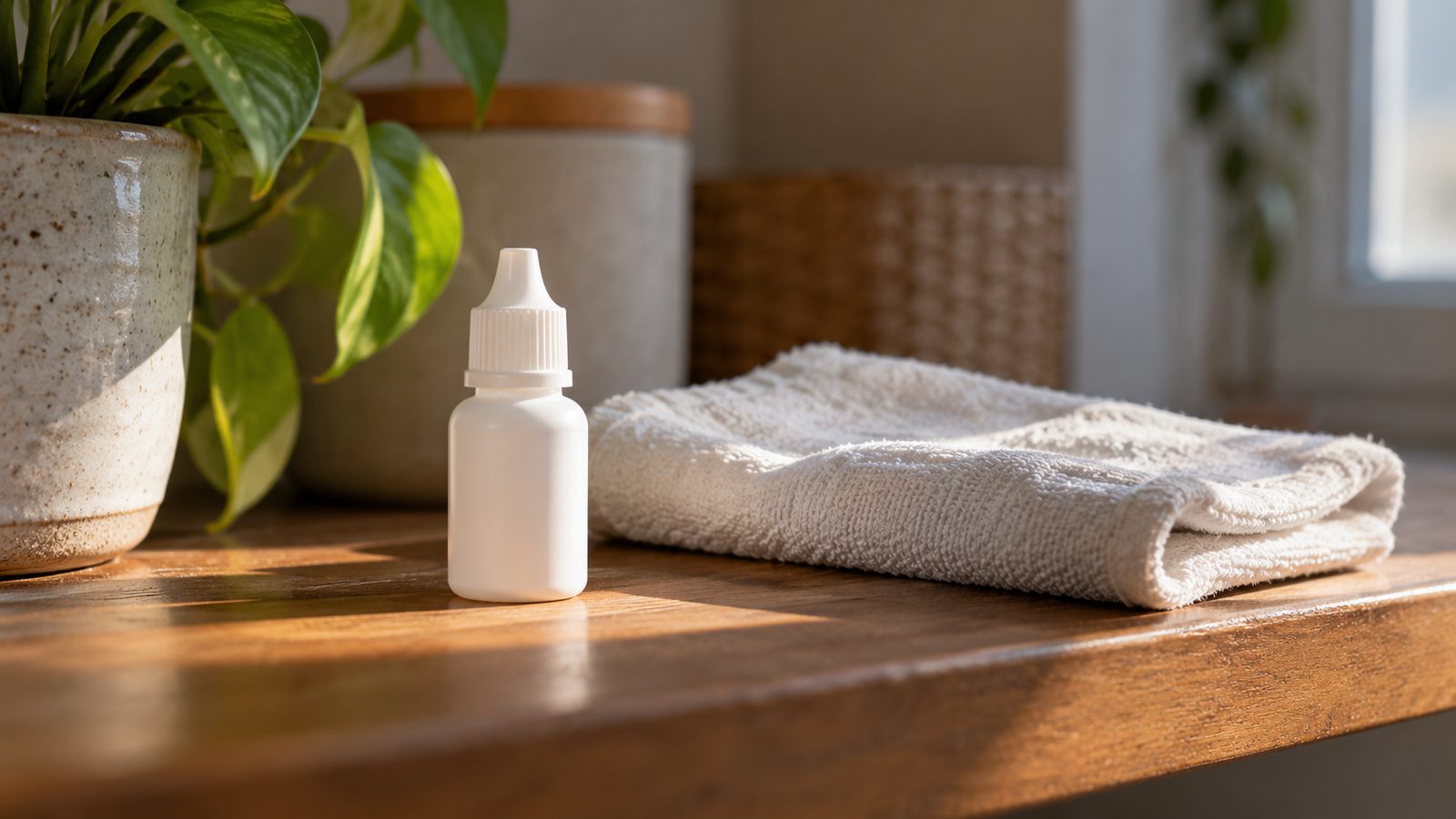
Applying a cold compress to your eyes can help reduce inflammation and relieve itching. Simply place a clean washcloth in cold water, wring it out, and place it over your closed eyes for a few minutes.
2. Cleanse with eyelid wipes:
Keeping your eyelids clean can help reduce the buildup of allergens and bacteria that can exacerbate your symptoms. Look for eyelid wipes that are formulated to gently cleanse and soothe your eyelids.
3. Allergy drops:
Over-the-counter allergy eye drops can help stop the stinging and itching associated with eye allergies. Look for drops that contain antihistamines or mast cell stabilizers to help alleviate your symptoms.
4. Lubricate with eye drops:
Allergies can cause your eyes to become dry and irritated. Using lubricating eye drops can help keep your eyes moist and comfortable. Look for preservative-free drops that are safe for long-term use.
Discuss with your eye doctor
Remember, it’s always a good idea to consult with your eye doctor before using any new products to make sure they are safe and effective for your specific condition. With the right products and proper care, you can help alleviate the symptoms of your eye allergies and make your eyes feel better.
Related reading
Keratoconus And Down Syndrome: What The Evidence Actually Shows
Keratoconus is far more common in people with Down syndrome, but the true rate is unknown. Norway's national registry found 5.5%; a review of 20 studies found 0% to 71%. Every figure read in the cited source.

57 Keratoconus Statistics For 2026 (Every Figure Verified At Source)
57 keratoconus statistics on prevalence, risk factors, progression, cross-linking and lens outcomes — every number checked in the cited source, explained in plain language, with a link to each one.
Scleral Lens Brands: A Guide To The Options
A guide to scleral lens brands and designs — diagnostic, profilometry-designed, and custom-molded — and why the fit matters far more than the brand you choose.
Multifocal Scleral Lenses: Clear Vision At Every Distance
Multifocal scleral lenses correct an irregular cornea or dry eye and presbyopia at once — clear near, intermediate, and distance vision in one custom lens.
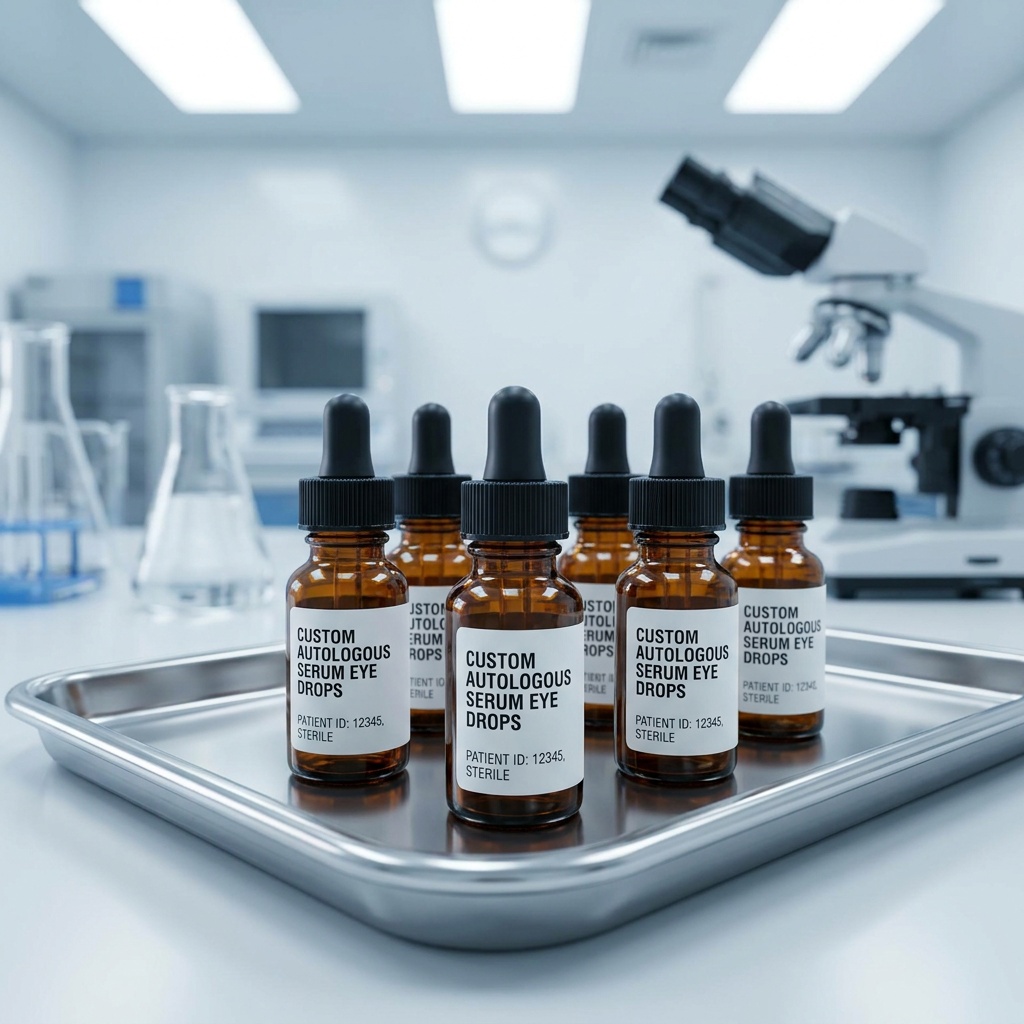
Autologous Serum Eye Drops For Severe Dry Eye
Autologous serum eye drops are made from your own blood serum for severe dry eye — Sjögren's, GVHD, neurotrophic disease.
Best Eye Drops For Sjogren's Dry Eye: A Guide
The best eye drops for Sjögren's dry eye: preservative-free tears, prescription anti-inflammatories, serum tears — and why severe cases need more than drops.
Ready to see clearly again?
Michigan Contact Lens fits scleral and specialty lenses for keratoconus, irregular corneas, corneal transplants, and severe dry eye.