
Myopia Control for Kids: A Metro Detroit Parent’s Guide
If your child’s glasses prescription seems to get stronger every year, you’re not imagining it — and you’re not alone. Childhood nearsightedness (myopia) is rising fast, and the encouraging news is that we can now do more than just keep updating glasses. This guide explains myopia control for parents in the Metro Detroit area.
What is myopia, and why is it increasing?
Myopia means distant objects look blurry because the eye grows slightly too long, so light focuses in front of the retina instead of on it. Rates have climbed sharply in recent decades, linked to more time spent on near work and screens and less time outdoors. You can learn how we approach it on our myopia control page.
Why slowing myopia matters — beyond glasses
Here’s what many parents don’t realize: myopia isn’t just an inconvenience. Higher levels of myopia raise the lifelong risk of serious eye problems later, which is why slowing its progression in childhood protects more than vision clarity — see what is high myopia and why is it risky? Standard glasses correct blur but don’t slow the underlying progression; myopia control does.
What is myopia control?
Myopia control is a set of evidence-based treatments designed to slow how quickly a child’s nearsightedness worsens. The goal isn’t to reverse myopia — see can myopia be reversed? — but to keep it from reaching higher, riskier levels.
The main options
- Orthokeratology (Ortho-K): rigid lenses worn overnight that gently reshape the cornea, giving clear lens-free vision by day — see what is Ortho-K? and is Ortho-K safe for children?
- Soft myopia-control contact lenses such as MiSight, worn during the day — see how myopia control contact lenses work , and our comparison MiSight vs. Ortho-K.
- Low-dose atropine eye drops — see how effective are eye drops for myopia control?
- Specialty glasses designed to slow progression — see glasses that slow down myopia .
For a side-by-side of the leading methods, see myopia control options compared.
When should it start?
Generally, the earlier progression is addressed, the better — but it’s rarely too late to help. See will my child outgrow nearsightedness? and the age limit for myopia control.
Myopia control in Metro Detroit
Michigan Contact Lens is located in Southfield at 17000 W. 10 Mile Rd., Suite 150, serving families across Birmingham, Royal Oak, Farmington Hills, West Bloomfield, Novi, and the greater Detroit area. We’ll assess your child’s eyes and recommend the approach that best fits their prescription and lifestyle.
Worried about your child’s worsening eyesight?
Dr. Shira Kresch offers children’s myopia control at Michigan Contact Lens in Southfield, serving families across Metro Detroit. Your child’s initial consultation is complimentary.
Related reading

Myopia Control Options Compared: Ortho-K, MiSight, Atropine
Ortho-K, MiSight, low-dose atropine and myopia-control glasses compared — what each demands day to day, how they are approved, and what does not work.

Will My Child Outgrow Nearsightedness?
Will a child outgrow nearsightedness? Usually not — but here's what really happens to myopia over time and what you can do to slow it down.

How Outdoor Time Protects Kids' Eyes From Myopia
Spending more time outdoors is one of the simplest, evidence-based ways to lower a child's risk of myopia. Here's how much helps and why it works.
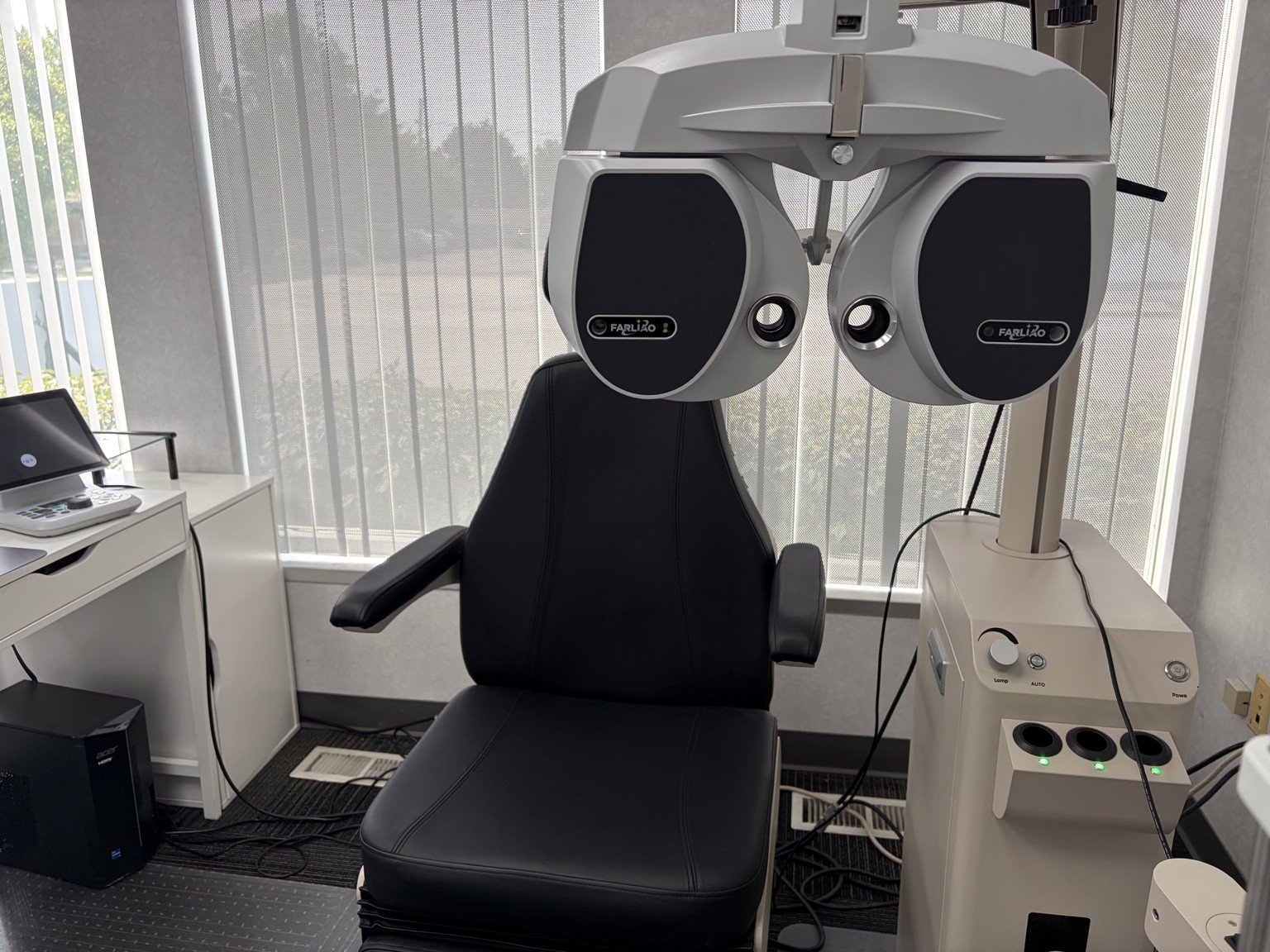
Why Is My Child's Prescription Getting Worse Every Year?
Is it normal for a child's glasses prescription to keep getting stronger? Learn why childhood myopia progresses and what you can do to slow it down.

What Is High Myopia, And Why Is It Risky?
High myopia is more than a strong prescription — it raises the lifelong risk of serious eye conditions. Learn what it is, the risks, and why early control…
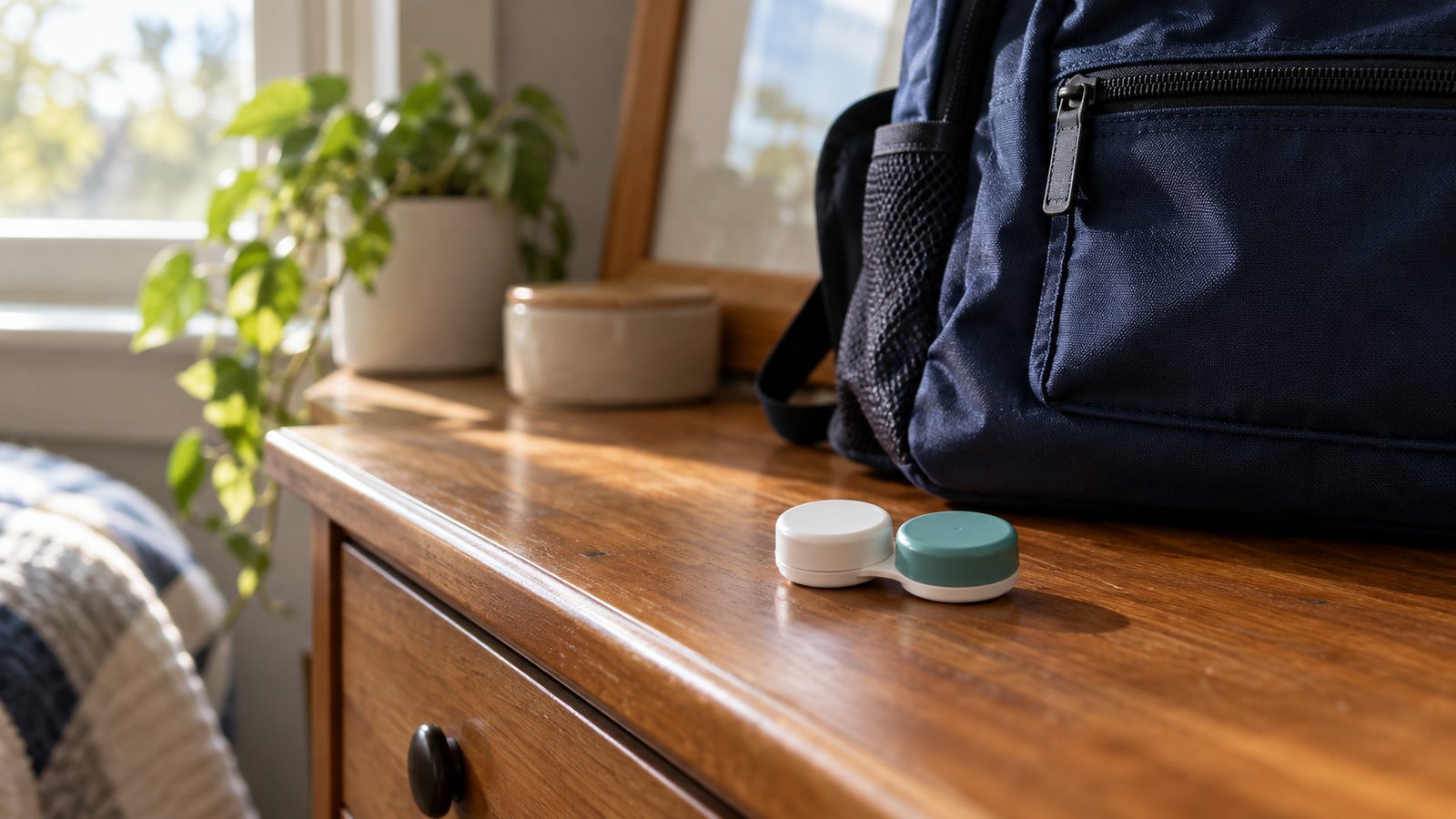
MiSight Contact Lenses Vs. Ortho-K: A Parent's Comparison
MiSight soft lenses or Ortho-K for your child's myopia? Compare how they're worn, comfort, candidacy, and which fits your child's lifestyle best.
Ready to see clearly again?
Michigan Contact Lens fits scleral and specialty lenses for keratoconus, irregular corneas, corneal transplants, and severe dry eye.