Can You Get LASIK With Keratoconus? | Michigan Contact Lens
LASIK is contraindicated in keratoconus — it removes tissue from a cornea already too thin. What that means, why screening matters, and what works instead.
Meet your eye doctor
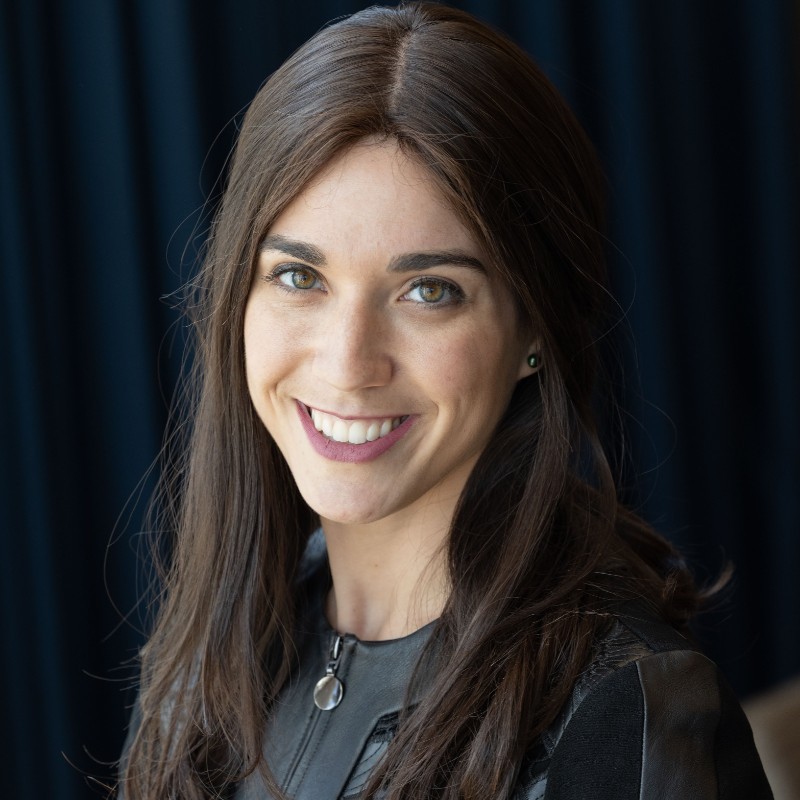
OD, MS, FAAO · Optometrist and Specialty Contact Lens Specialist
Dr. Shira Kresch has been practicing optometry for over 10 years at some of the most prestigious medical centers in the country, including Columbia University’s Department of Ophthalmology and Kresge Eye Institute.
Dual OD / MS
SUNY College of Optometry
FAAO
Fellow, American Academy of Optometry
Residency-trained
NY VA Harbor Health System
2023 Theia Award
Young OD — Women In Optometry
In her own words
I am a primary care optometrist who is very passionate about helping people get their absolute maximum visual potential. My journey began when I did not know what I wanted to do when I “grew up” while at my first year of college. I shadowed every type of profession I was interested in and when I experienced optometry, I fell in love with it.
I completed my pre-med BS in Nutrition and Food Sciences on a full Presidential Scholarship and co-majored in University Honors Wayne State University’s Honors. I worked hard to get into my top choice, SUNY Optometry and even harder for acceptance into the dual OD/MS program where I was able to work in vision research in addition to my regular optometry studies.
Gaining additional experience in managing ocular disease and working with ophthalmology was important to me and I was lucky to match into an incredible Primary Care and Ocular Disease residency at the NY VA Harbor Health System in Brooklyn and Queens.
While I enjoyed my first job working in an ophthalmology/optometry private practice after that, I was extremely fortunate to join the glaucoma clinic of Columbia University Irving Medical Center’s Department of Ophthalmology.
I served on the faculty of Columbia as an Instructor of Optometric Sciences in Ophthalmology and worked alongside world-renowned ophthalmologic innovators, researchers and clinicians for a little over 4 years. It was a dream job where I lectured regularly at Columbia and national meetings, worked in one of the most prestigious ophthalmology research labs in the world with Dr. Donald Hood, started a new myopia control clinic, and learned something new every day from the best of the best.
When COVID hit, my chairman charged me with leading the telemedicine initiative for the ophthalmology department and had me doing hundreds of telemedicine calls during the pandemic.
Together with my family, I decided to return home to Michigan where my husband and I both have our families. Kresge Eye Institute hired me as their Director of Optometry and I joined the faculty of Wayne State University School of Medicine as a Clinical Assistant Professor of Ophthalmology.
I created a niche of specialty contact lenses, the most rewarding thing I have ever done thus far in my career. This segued my dream of opening my own practice with a focus on “hard-to-fit” contact lenses. Just two weeks after opening our doors I received the surprise of a lifetime and was named the national Theia Award of Excellence Young OD by Women in Optometry.
My kids like to make fun of me that I always say “I helped people see today!” when I come home from work, and I just tell them what my dad told me — to make sure their job is always something they love to do and they’ll never work a day in their life.
If you have been told you can’t wear contacts, come and see me. If you have keratoconus, had a corneal transplant, have significant dry eye syndrome, come and see me! It is my honor to meet you and a greater honor to serve you while we work together to make sure you have your best vision!
Training and appointments
Wayne State University
BS, Nutrition and Food Sciences
Full Presidential Scholarship, co-majored in University Honors.
SUNY College of Optometry
Dual OD / MS
Accepted into the dual-degree program, working in vision research alongside her optometry studies.
NY VA Harbor Health System
Primary Care and Ocular Disease residency
Residency across Brooklyn and Queens.
Columbia University Irving Medical Center
Instructor of Optometric Sciences in Ophthalmology
Four years on faculty in the Department of Ophthalmology — lecturing at Columbia and national meetings, working in Dr. Donald Hood’s research lab, and founding a new myopia control clinic.
Kresge Eye Institute
Director of Optometry
Returned home to Michigan, and joined Wayne State University School of Medicine as a Clinical Assistant Professor of Ophthalmology.
Michigan Contact Lens
Founder
Her own practice, built around hard-to-fit contact lenses.
Areas of care
From keratoconus and scleral lens fitting to dry eye disease and pediatric myopia control, Dr. Kresch’s specialty practice handles the complex cases other doctors refer out.
Scleral lens fitting for keratoconus patients across Metro Detroit and Michigan. Dr. Kresch has fit hundreds of complex keratoconus cases.
Custom-designed scleral lenses for irregular corneas, severe dry eye, and complex prescriptions where standard contacts fail.
Advanced dry eye care including IPL therapy, prescription protocols, and scleral lenses for ocular surface disease.
Evidence-based programs to slow childhood myopia progression, drawing on Dr. Kresch’s work leading Columbia’s myopia clinic.
Vision restoration with scleral lenses after corneal transplant surgery — smoothing irregular post-graft corneas for clear, comfortable sight.
Our approach
During an optometric exam, an optometrist will usually check your vision, eye pressure, and the health of your eyes. They may also review your medical history and ask questions about any eye-related symptoms or concerns you have. Finally, the optometrist may recommend new eyeglasses or contact lenses for you.
A specialty lens consultation runs longer than a routine exam — her keratoconus consultations typically take 60 to 90 minutes, including corneal topography and a full review of your visual history.
Recognition
Dr. Kresch specializes in keratoconus, scleral contact lens fitting, dry eye disease, myopia control, post-corneal transplant vision correction, and other complex specialty contact lens cases that don’t respond to standard fittings.
Dr. Kresch holds a dual OD/MS degree from SUNY College of Optometry and completed her residency at the NY VA Harbor Health System. She is a Fellow of the American Academy of Optometry (FAAO) and is NBEO-certified.
Dr. Kresch has fit scleral lenses for hundreds of keratoconus patients across the Detroit metro area. Before coming to Michigan Contact Lens, she served as Director of Optometry at Kresge Eye Institute and held a faculty role at Columbia University’s Department of Ophthalmology, where she helped lead the Myopia Control Clinic.
Yes. New patient consultations can be scheduled by calling (248) 545-2800 or booking online through our contact page.
Michigan Contact Lens is an out-of-network practice and does not accept any insurance plans directly. As a specialty practice focused on keratoconus, scleral lenses, and other complex contact lens cases, our doctors take the time needed to deliver the level of expert care these conditions require — time that standard insurance reimbursement schedules typically don’t support.
We’re happy to provide a detailed receipt (a “superbill”) that you can submit to your insurance carrier for any out-of-network reimbursement your plan may offer. Please call (248) 545-2800 with any questions about pricing or what to expect at your visit.
Initial keratoconus consultations typically run 60 to 90 minutes and include corneal topography, slit-lamp examination, a thorough discussion of your visual history, and a review of treatment options including scleral lens fitting.
Michigan Contact Lens is located at 17000 W 10 Mile Rd, Suite 150, Southfield, MI 48075. We serve patients throughout the Detroit metro area and across the state of Michigan.
Yes. Dr. Kresch is the 2023 Theia Award of Excellence winner in the Young OD category, awarded by Women In Optometry. She has been published in Optometry Times and featured in The Jewish News for her clinical work.
LASIK is contraindicated in keratoconus — it removes tissue from a cornea already too thin. What that means, why screening matters, and what works instead.
A practical guide for referring optometrists and ophthalmologists: the clinical triggers for specialty lens referral in keratoconus, and what you get back.
Keratoconus does not cause headaches directly, but the visual strain it produces often does. The mechanism, what helps, and the symptoms that need urgent care.
No eye drop treats keratoconus. What drops genuinely help with, why controlling an allergic itch matters more than most patients are told, and what to avoid.
For referring doctors: the specialty lens pathway step by step — what we do at each visit, what your patient is told, and exactly what comes back to you.
Repeat corneal transplants are possible, but each one is a harder ask than the last. When a regraft is needed — and when a lens over the graft is the better answer.
Michigan Contact Lens fits scleral and specialty lenses for keratoconus, irregular corneas, corneal transplants, and severe dry eye.