Autologous Serum Eye Drops for Severe Dry Eye
Autologous serum eye drops are custom drops made from your own blood serum, used for severe dry eye that doesn’t respond to standard treatments. Because they’re derived from your blood, they contain natural growth factors, vitamins, and proteins that manufactured artificial tears simply don’t have — which is why they can help the most stubborn cases, including Sjögren’s syndrome, graft-versus-host disease, and neurotrophic dry eye. Here’s what to know.
What are autologous serum eye drops?
“Autologous” means “from yourself.” These drops are made by taking a sample of your blood, separating out the serum (the clear liquid left after the blood cells and clotting factors are removed), and diluting it into a sterile eye-drop solution. Human tears and blood serum are surprisingly similar in composition — both contain nutrients and healing factors the ocular surface needs. Standard artificial tears lubricate, but they can’t nourish or heal. Serum tears can, which makes them fundamentally different from anything you can buy over the counter.
How they’re made
The process involves a blood draw (similar to routine lab work), after which a specialized compounding pharmacy processes the serum and dilutes it to a prescribed concentration. The finished drops are dispensed in small vials, usually kept frozen and thawed as you use them, because they contain no preservatives. A single blood draw typically yields a several-month supply. Because they’re a biological product with no preservatives, careful handling and storage matter.
Who benefits from serum tears?
Serum tears are reserved for moderate-to-severe dry eye that hasn’t responded to conventional therapy. They’re especially valuable for:
- Sjögren’s syndrome and other autoimmune aqueous-deficient dry eye
- Graft-versus-host disease after bone marrow transplant
- Neurotrophic keratitis and persistent corneal surface defects
- Severe dry eye after refractive surgery or chemical injury
They’re a step you reach after preservative-free tears and prescription anti-inflammatory drops — see our guide to the best eye drops for Sjögren’s dry eye for where they fit in the sequence.
How well do they work?
For the right patients, serum tears can meaningfully reduce symptoms and help the corneal surface heal where other drops have failed. They’re a well-established option in the dry-eye specialist’s toolkit. That said, they’re not a cure and not right for everyone — they require a prescription, a compounding pharmacy, and ongoing coordination, and results vary. Your specialist will weigh them against the severity of your disease and how you’ve responded to other treatments.
Serum tears and scleral lenses together
Here’s where it gets powerful. A scleral lens holds a reservoir of fluid against the cornea all day — and for severe cases, that reservoir can be filled with serum-based solution rather than plain saline. That means your eye is bathed continuously in a healing, nutrient-rich fluid, hour after hour, instead of only during the seconds a drop is on the eye. For the most severe Sjögren’s, GVHD, and neurotrophic cases, combining scleral lenses with serum tears is one of the most advanced surface-protection strategies available. It’s exactly the kind of complex case a specialty practice is built for.
Have severe dry eye that nothing seems to touch? Dr. Shira Kresch specializes in complex ocular-surface disease and advanced options like scleral lenses paired with serum tears, for patients across Metro Detroit at our Southfield office. Your first specialty consultation is free — book online or call (248) 545-2800.
Frequently Asked Questions
- What are autologous serum eye drops?
They’re eye drops made from your own blood serum, diluted into a sterile solution. Because serum shares many components with natural tears, the drops deliver growth factors and nutrients that ordinary artificial tears can’t — helping severe dry eye heal.
- Who needs serum tears?
They’re for moderate-to-severe dry eye that hasn’t responded to preservative-free and prescription drops — especially Sjögren’s syndrome, graft-versus-host disease, neurotrophic keratitis, and persistent surface defects.
- How are autologous serum eye drops made?
A blood sample is drawn, the serum is separated and diluted by a compounding pharmacy, and the preservative-free drops are dispensed in vials that are usually frozen and thawed as needed. One draw typically lasts several months.
- Can serum tears be used with scleral lenses?
Yes — and it’s a highly effective combination for severe cases. A scleral lens can hold serum-based fluid against the cornea all day, bathing the surface continuously rather than only for the moments a drop is applied.
Related reading
Keratoconus And Down Syndrome: What The Evidence Actually Shows
Keratoconus is far more common in people with Down syndrome, but the true rate is unknown. Norway's national registry found 5.5%; a review of 20 studies found 0% to 71%. Every figure read in the cited source.
57 Keratoconus Statistics For 2026 (Every Figure Verified At Source)
57 keratoconus statistics on prevalence, risk factors, progression, cross-linking and lens outcomes — every number checked in the cited source, explained in plain language, with a link to each one.
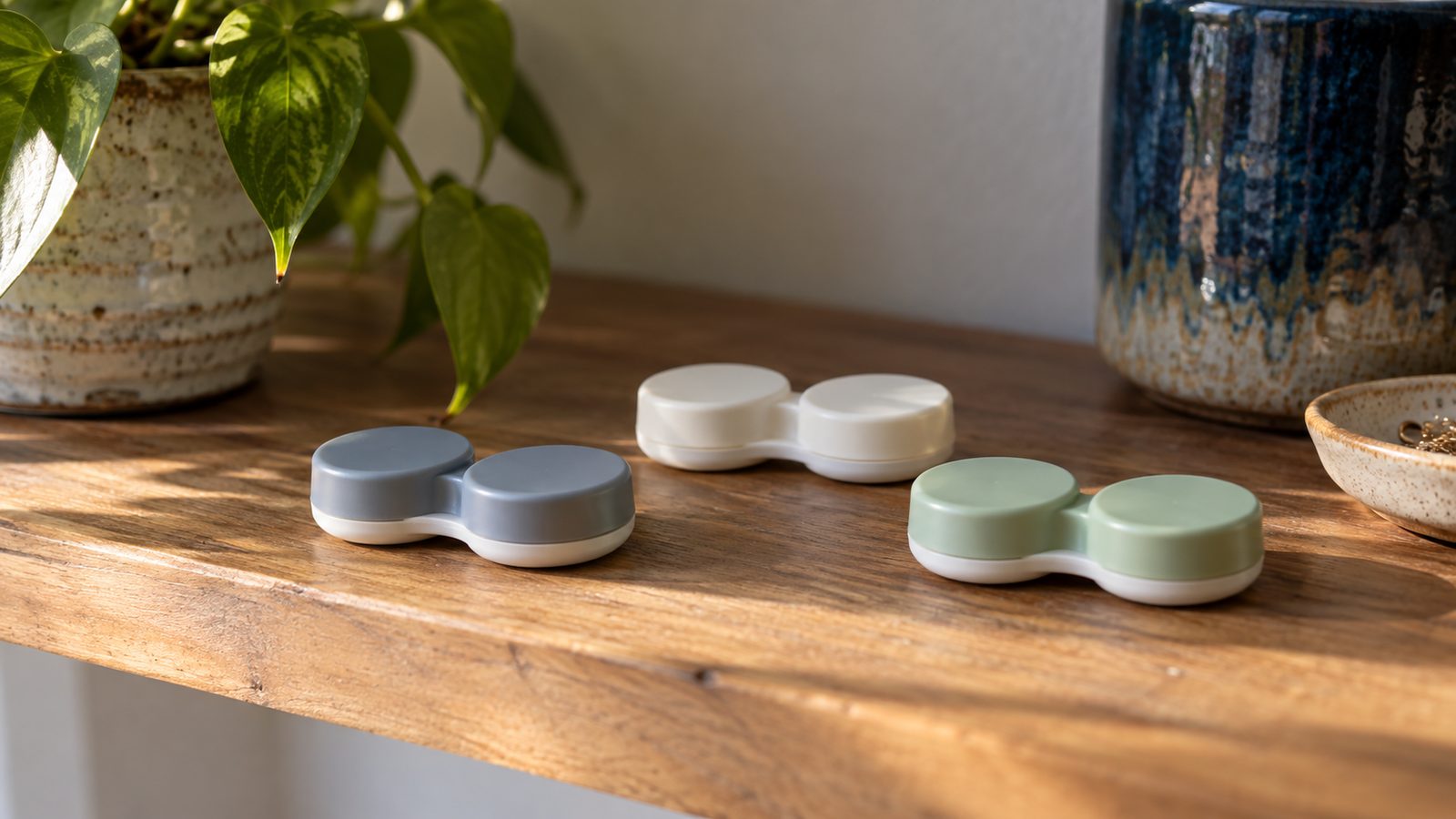
Scleral Lens Brands: A Guide To The Options
A guide to scleral lens brands and designs — diagnostic, profilometry-designed, and custom-molded — and why the fit matters far more than the brand you choose.
Multifocal Scleral Lenses: Clear Vision At Every Distance
Multifocal scleral lenses correct an irregular cornea or dry eye and presbyopia at once — clear near, intermediate, and distance vision in one custom lens.
Best Eye Drops For Sjogren's Dry Eye: A Guide
The best eye drops for Sjögren's dry eye: preservative-free tears, prescription anti-inflammatories, serum tears — and why severe cases need more than drops.
Aphakia: Causes, Symptoms & Contact Lens Options
Aphakia is the absence of the eye's natural lens, causing extreme farsightedness. Causes, symptoms, and how glasses, contact lenses
Ready to see clearly again?
Michigan Contact Lens fits scleral and specialty lenses for keratoconus, irregular corneas, corneal transplants, and severe dry eye.