
Best Eye Drops for Sjögren’s Dry Eye: A Complete Guide
For Sjögren’s dry eye, the best eye drops are preservative-free — because you’ll use them often — and frequently prescription anti-inflammatory drops that target the disease’s root inflammation rather than just the dryness. But there’s an important truth: for moderate-to-severe Sjögren’s, even the best drops often aren’t enough on their own. Here’s a complete guide to the options, from first-line tears to advanced therapies, and where scleral lenses fit in.
Why Sjögren’s dry eye is different
Sjögren’s syndrome is an autoimmune disease in which the immune system attacks the glands that make tears and saliva. The result isn’t ordinary dryness — it’s aqueous-deficient dry eye, where the eye simply can’t produce enough of the watery layer of the tear film. That has two consequences for choosing drops: you’ll be using them frequently (so preservatives become a problem), and simple lubrication alone rarely keeps up with the deficit. The best strategy layers the right products.
Preservative-free artificial tears (first line)
If you take one thing from this guide: use preservative-free drops. Preservatives like benzalkonium chloride (BAK) are fine for occasional use, but for Sjögren’s patients dosing many times a day they build up and irritate an already-compromised surface. Preservative-free artificial tears — sold in single-use vials or specially designed multidose bottles — are the foundation of Sjögren’s dry eye care. Thicker, higher-viscosity formulas last longer between doses; lipid-containing tears help if you also have evaporative dry eye.
Gels and ointments for nighttime
Overnight, tear production drops even further. Preservative-free lubricating gels or ointments applied at bedtime coat and protect the surface through the night, which often makes the biggest difference in morning comfort. They blur vision temporarily, so they’re for sleep, not daytime.
Prescription anti-inflammatory drops
Because Sjögren’s dry eye is driven by inflammation, prescription drops that calm that inflammation treat the problem closer to its source:
- Cyclosporine (Restasis, Cequa) — reduces ocular surface inflammation and can help the glands produce more of your own tears over time.
- Lifitegrast (Xiidra) — targets a different inflammatory pathway; some patients respond better to one than the other.
- Short-term steroid drops — sometimes used briefly to break a flare, under close supervision.
These take weeks to reach full effect and work best alongside preservative-free tears, not instead of them.
Autologous serum tears for severe cases
When standard and prescription drops fall short, autologous serum eye drops — custom drops made from your own blood serum — can help. They contain natural growth factors and nutrients that manufactured tears lack, and they’re a well-established option for severe Sjögren’s and other autoimmune dry eye. They require a prescription and special preparation, but for the right patient they’re a meaningful step up.
When drops aren’t enough: scleral lenses
Here’s the reality many Sjögren’s patients reach: they’re using preservative-free tears every 30–60 minutes, prescription drops daily, gel at night — and still struggling. At that point, the most effective option often isn’t another drop at all. A scleral lens vaults over the cornea and holds a reservoir of preservative-free fluid against the eye all day, bathing the surface continuously without you having to reach for a bottle. For severe aqueous-deficient dry eye, it’s one of the most effective tools available — frequently the first thing that lets patients get through a full day comfortably. Drops still play a supporting role, but the lens does the heavy lifting.
Still fighting Sjögren’s dry eye despite a drawer full of drops? There may be a better path. Dr. Shira Kresch fits therapeutic scleral lenses for Sjögren’s patients across Metro Detroit at our Southfield office — your first specialty consultation is free. Book online or call (248) 545-2800.
Frequently Asked Questions
- What are the best eye drops for Sjögren’s dry eye?
Preservative-free artificial tears are the foundation, because Sjögren’s patients use drops frequently and preservatives irritate the surface. Prescription anti-inflammatory drops (cyclosporine or lifitegrast) treat the underlying inflammation, and autologous serum tears help severe cases. A bedtime gel protects the eyes overnight.
- Why do preservatives matter for Sjögren’s dry eye?
Preservatives like BAK are fine occasionally, but Sjögren’s patients dose many times a day, so preservatives accumulate and irritate an already-compromised surface. Preservative-free drops avoid that problem and are strongly preferred.
- Why aren’t eye drops enough for my Sjögren’s dry eye?
Sjögren’s causes aqueous-deficient dry eye — the glands can’t make enough tears — so lubricating drops often can’t keep up with the deficit. Many patients need anti-inflammatory therapy, and for severe cases scleral lenses provide continuous hydration that drops can’t match.
- Can I use eye drops with scleral lenses?
Yes, but only preservative-free drops, applied over the lens. The scleral lens itself holds a preservative-free fluid reservoir against your eye, which is why many patients need far fewer drops once fitted.
Related reading
Keratoconus And Down Syndrome: What The Evidence Actually Shows
Keratoconus is far more common in people with Down syndrome, but the true rate is unknown. Norway's national registry found 5.5%; a review of 20 studies found 0% to 71%. Every figure read in the cited source.
57 Keratoconus Statistics For 2026 (Every Figure Verified At Source)
57 keratoconus statistics on prevalence, risk factors, progression, cross-linking and lens outcomes — every number checked in the cited source, explained in plain language, with a link to each one.
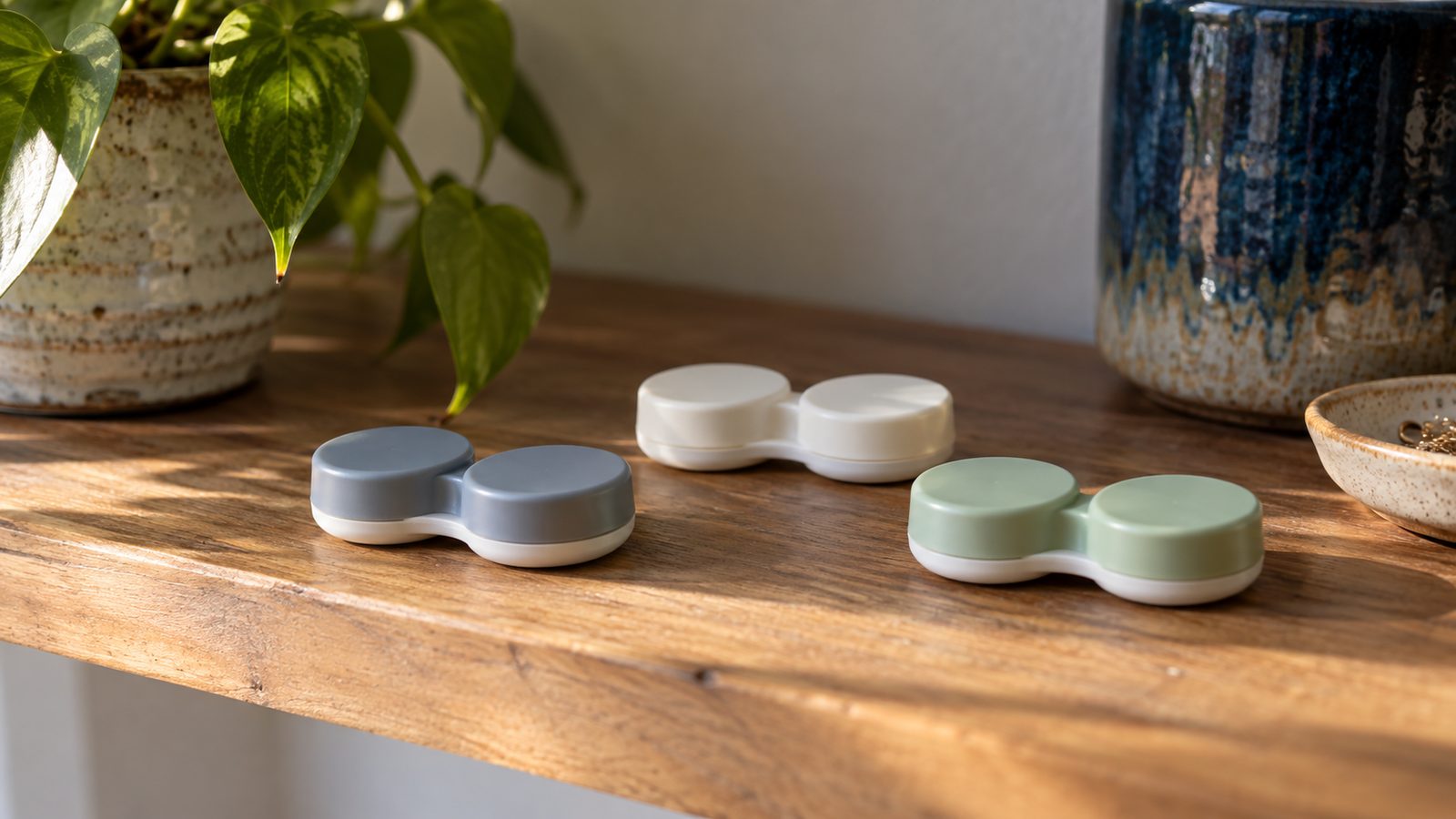
Scleral Lens Brands: A Guide To The Options
A guide to scleral lens brands and designs — diagnostic, profilometry-designed, and custom-molded — and why the fit matters far more than the brand you choose.
Multifocal Scleral Lenses: Clear Vision At Every Distance
Multifocal scleral lenses correct an irregular cornea or dry eye and presbyopia at once — clear near, intermediate, and distance vision in one custom lens.
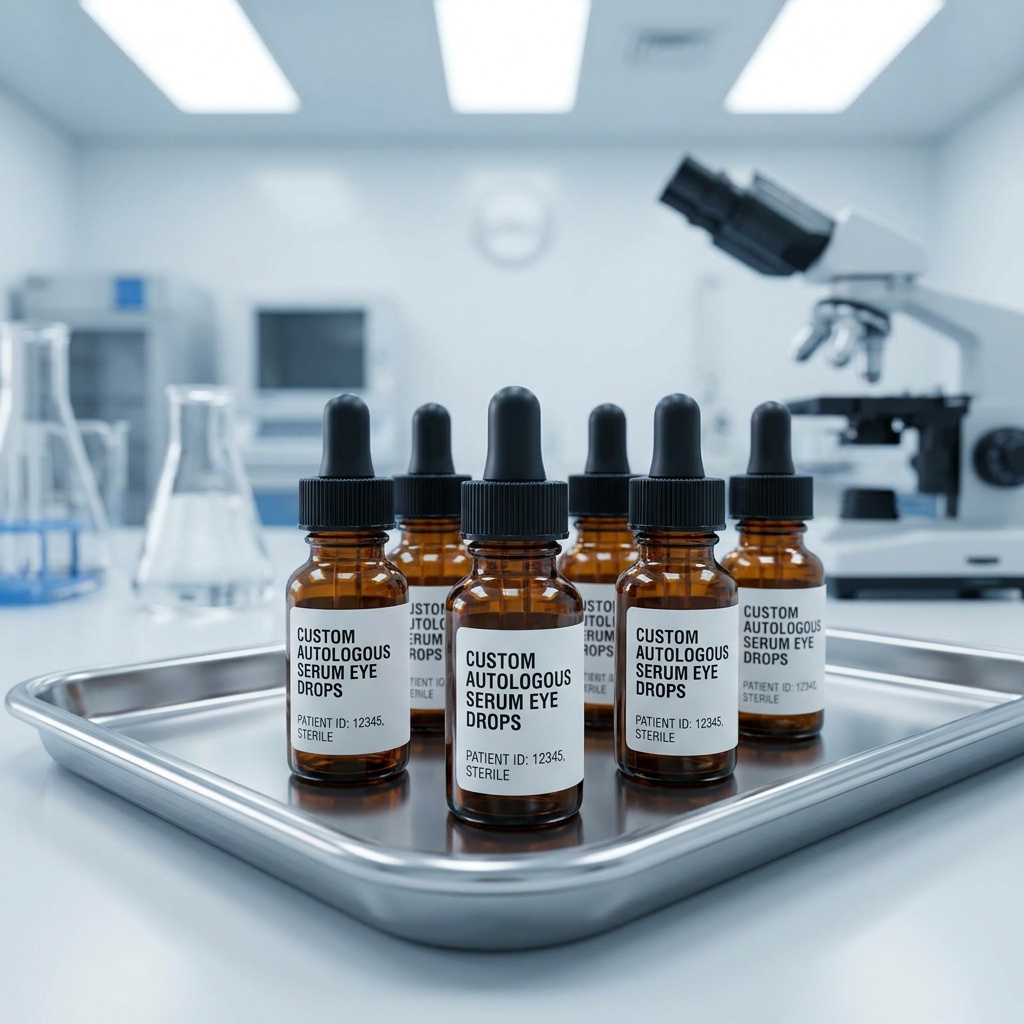
Autologous Serum Eye Drops For Severe Dry Eye
Autologous serum eye drops are made from your own blood serum for severe dry eye — Sjögren's, GVHD, neurotrophic disease.
Aphakia: Causes, Symptoms & Contact Lens Options
Aphakia is the absence of the eye's natural lens, causing extreme farsightedness. Causes, symptoms, and how glasses, contact lenses
Ready to see clearly again?
Michigan Contact Lens fits scleral and specialty lenses for keratoconus, irregular corneas, corneal transplants, and severe dry eye.