
Multifocal Scleral Lenses: Clear Vision at Every Distance
Multifocal scleral lenses combine the comfort and stability of a scleral lens with multifocal optics that correct near, intermediate, and distance vision at once. They’re a solution for a specific and under-served group: people over 40 who have developed presbyopia (age-related trouble focusing up close) and also have an irregular cornea — like keratoconus — or severe dry eye that rules out ordinary lenses. Here’s how they work and who they help.
What are multifocal scleral lenses?
A standard scleral lens is a large rigid lens that vaults over the cornea, rests on the white of the eye, and holds a reservoir of fluid against the surface all day — delivering crisp, comfortable vision for irregular or dry eyes. A multifocal scleral lens adds a second job: built into the lens are multiple focusing zones, the same idea behind multifocal contact lenses, so a single lens corrects both the irregular cornea and presbyopia. You get the surface benefits of a scleral plus reading vision, without switching to glasses.
Who are they for?
Multifocal sclerals are ideal when two needs overlap:
- Keratoconus or irregular corneas in patients over 40. You already needed a scleral lens for clear distance vision — now you also need help reading, and a multifocal scleral handles both.
- Severe dry eye plus presbyopia. If a scleral lens is what keeps your eyes comfortable, a multifocal version means you don’t have to add readers on top.
- Post-surgical or post-transplant corneas where reading glasses over a scleral lens are impractical.
How they work
The lens creates a smooth, regular optical surface over your irregular cornea (the scleral part), and the multifocal design distributes different focusing powers across that surface — typically a center-near or center-distance layout with a gradual transition. Your visual system learns to select the right zone for what you’re looking at. Because the lens is custom-designed to your eye, the near power, zone sizes, and layout are all tailored to your prescription and lifestyle.
The trade-offs to know
Multifocal optics always involve a balance — splitting light between distances can slightly soften contrast compared with a single-vision lens, and some people adapt more easily than others. For many patients the convenience of one lens for everything is well worth it; for others, a single-vision scleral plus readers is the better call. A careful fitting, with time to trial the design, is how we find the right answer for you. It’s the kind of nuanced fit that rewards an experienced specialty practice.
The fitting process
Fitting a multifocal scleral starts the same way as any scleral lens — a precise 3D map of your eye with Eaglet Eye profilometry — then adds decisions about the multifocal design: your near add power, the zone layout, and dominant-eye considerations. You’ll trial lenses, we refine, and follow-ups fine-tune the balance between near and distance until it feels natural. Because keratoconus and presbyopia both change over time, periodic check-ins keep the lens dialed in.
Juggling readers on top of your scleral lenses? There may be a better way. Dr. Shira Kresch fits multifocal and single-vision scleral lenses for patients across Metro Detroit at our Southfield office — your first specialty consultation is free. Book online or call (248) 545-2800.
Frequently Asked Questions
- What are multifocal scleral lenses?
They’re scleral lenses with multifocal optics built in, so a single lens corrects both an irregular cornea (or dry eye) and presbyopia — giving clear near, intermediate, and distance vision without reading glasses.
- Who is a good candidate for multifocal scleral lenses?
People over 40 who need a scleral lens for keratoconus, an irregular cornea, or severe dry eye, and who also have presbyopia (trouble focusing up close). The lens meets both needs at once.
- Are multifocal scleral lenses as sharp as single-vision ones?
Multifocal optics split light between distances, which can slightly reduce contrast compared to a single-vision lens. Many patients find the all-in-one convenience worth it; others prefer a single-vision scleral with reading glasses. A trial fitting shows which suits you.
- Can keratoconus patients get multifocal scleral lenses?
Yes. This is one of their best uses — a keratoconus patient over 40 can correct both the irregular cornea and presbyopia in one custom lens, rather than wearing readers over a scleral lens.
Related reading
Keratoconus And Down Syndrome: What The Evidence Actually Shows
Keratoconus is far more common in people with Down syndrome, but the true rate is unknown. Norway's national registry found 5.5%; a review of 20 studies found 0% to 71%. Every figure read in the cited source.

57 Keratoconus Statistics For 2026 (Every Figure Verified At Source)
57 keratoconus statistics on prevalence, risk factors, progression, cross-linking and lens outcomes — every number checked in the cited source, explained in plain language, with a link to each one.
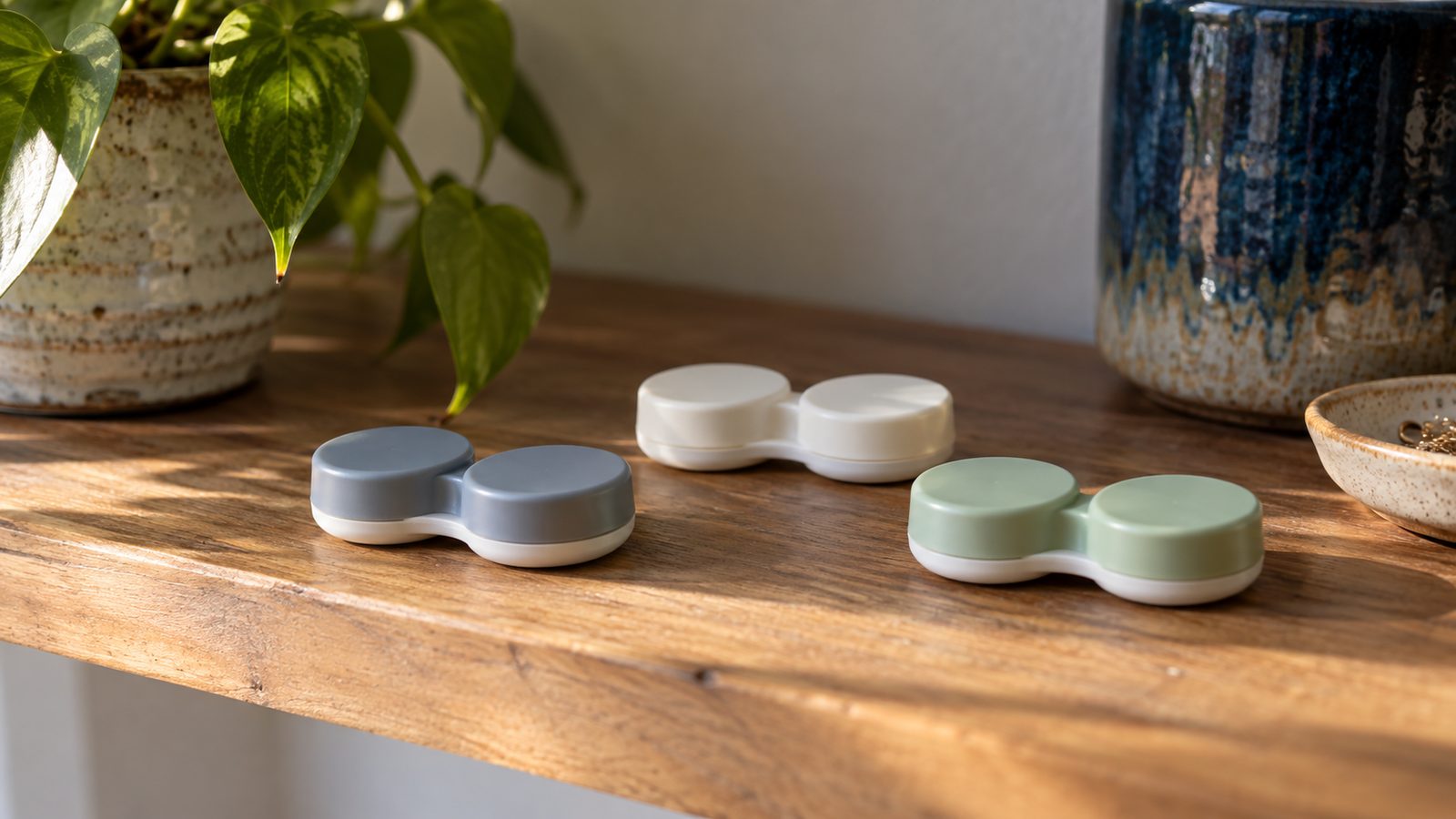
Scleral Lens Brands: A Guide To The Options
A guide to scleral lens brands and designs — diagnostic, profilometry-designed, and custom-molded — and why the fit matters far more than the brand you choose.

Autologous Serum Eye Drops For Severe Dry Eye
Autologous serum eye drops are made from your own blood serum for severe dry eye — Sjögren's, GVHD, neurotrophic disease.

Best Eye Drops For Sjogren's Dry Eye: A Guide
The best eye drops for Sjögren's dry eye: preservative-free tears, prescription anti-inflammatories, serum tears — and why severe cases need more than drops.
Aphakia: Causes, Symptoms & Contact Lens Options
Aphakia is the absence of the eye's natural lens, causing extreme farsightedness. Causes, symptoms, and how glasses, contact lenses
Ready to see clearly again?
Michigan Contact Lens fits scleral and specialty lenses for keratoconus, irregular corneas, corneal transplants, and severe dry eye.