
Aphakia: Causes, Symptoms, and Contact Lens Options
Aphakia is the absence of the eye’s natural lens. Without that lens, the eye loses much of its focusing power, causing significant blur and extreme farsightedness. It happens most often after cataract surgery when no lens implant is placed, but it can also be congenital (present at birth) or the result of an eye injury. The good news is that aphakia is very correctable — with specially designed glasses, contact lenses, or a secondary lens implant. Here’s what to know.
What is aphakia?
The natural crystalline lens sits behind the pupil and does about a third of the eye’s focusing. When it’s missing — removed, absent from birth, or displaced by trauma — the eye can no longer bring images into focus on its own. That’s aphakia. Because so much focusing power is gone, an aphakic eye is very farsighted (hyperopic) and can’t shift focus between near and far on its own. The correction has to replace that missing power.
What causes aphakia?
- Cataract surgery without a lens implant. Modern cataract surgery usually places an intraocular lens (IOL), but in some cases — certain complications, or specific medical or pediatric situations — no implant is placed, leaving the eye aphakic.
- Congenital aphakia. A child can be born without a normal lens, or have it removed early in life to treat congenital cataracts.
- Trauma. A serious eye injury can dislocate or rupture the natural lens, requiring its removal.
Symptoms of aphakia
- Significant blurred vision, especially up close
- Extreme farsightedness (high hyperopia)
- Loss of the ability to shift focus between distances
- Objects sometimes appearing a different size or with color fringing, particularly with thick glasses
How aphakia is corrected
There are three main ways to replace the eye’s missing focusing power:
- Aphakic glasses. Very high-plus lenses can restore focus, but they’re thick and heavy, magnify images noticeably, and shrink the field of view. They work best when both eyes are aphakic.
- Contact lenses. An aphakic contact lens sits right on the eye, giving far more natural optics than thick glasses — less magnification, a wider field, and better comfort. Contacts are often the preferred choice, especially when only one eye is affected or for infants and children.
- Secondary intraocular lens (IOL). In many adults, a surgeon can implant a lens later to correct the aphakia permanently. Whether this is an option depends on the health and anatomy of the eye.
Why contact lenses are often the best option
When only one eye is aphakic, thick glasses create a serious problem: they magnify that eye’s image so much that the brain can’t merge it with the other eye, causing double vision and imbalance. A contact lens sits on the eye and largely avoids this, delivering clear, usable, better-matched vision. For infants and children with congenital aphakia, specialized contact lenses are a cornerstone of treatment and are critical for healthy visual development. Fitting these lenses is a specialty skill, and the fit is monitored closely over time.
Aphakia and insurance coverage
Here’s a detail many patients don’t know: aphakia is the specific situation in which Original Medicare does cover contact lenses or glasses as a prosthetic device, because they replace the function of the missing natural lens. This is different from most contact lens needs, which Medicare doesn’t cover. If you’re navigating coverage, see our guide on what Medicare does and doesn’t cover for specialty lenses, and confirm the specifics with your plan.
Need aphakia correction or a specialty contact lens fitting after cataract surgery or an injury? Dr. Shira Kresch fits complex and hard-to-fit eyes for patients across Metro Detroit at our Southfield office — your first specialty consultation is free. Book online or call (248) 545-2800.
Frequently Asked Questions
- What is aphakia?
Aphakia is the absence of the eye’s natural lens, which normally provides much of the eye’s focusing power. Without it, the eye becomes very farsighted and can’t focus on its own. It’s most common after cataract surgery without a lens implant, but can also be congenital or caused by trauma.
- How is aphakia corrected?
With aphakic glasses, contact lenses, or a secondary intraocular lens implant. Contact lenses often give the most natural vision — especially when only one eye is affected — because they avoid the heavy magnification of thick aphakic glasses.
- Why are contact lenses better than glasses for aphakia in one eye?
Thick aphakic glasses magnify the image in the aphakic eye so much that the brain can’t merge it with the other eye, causing double vision. A contact lens sits on the eye and largely avoids this, giving clearer, better-balanced vision.
- Does Medicare cover contact lenses for aphakia?
Yes. Aphakia is the specific situation where Original Medicare covers contact lenses or glasses as a prosthetic device, because they replace the missing natural lens. Coverage details vary by plan, so confirm with yours.
Related reading
Keratoconus And Down Syndrome: What The Evidence Actually Shows
Keratoconus is far more common in people with Down syndrome, but the true rate is unknown. Norway's national registry found 5.5%; a review of 20 studies found 0% to 71%. Every figure read in the cited source.
57 Keratoconus Statistics For 2026 (Every Figure Verified At Source)
57 keratoconus statistics on prevalence, risk factors, progression, cross-linking and lens outcomes — every number checked in the cited source, explained in plain language, with a link to each one.
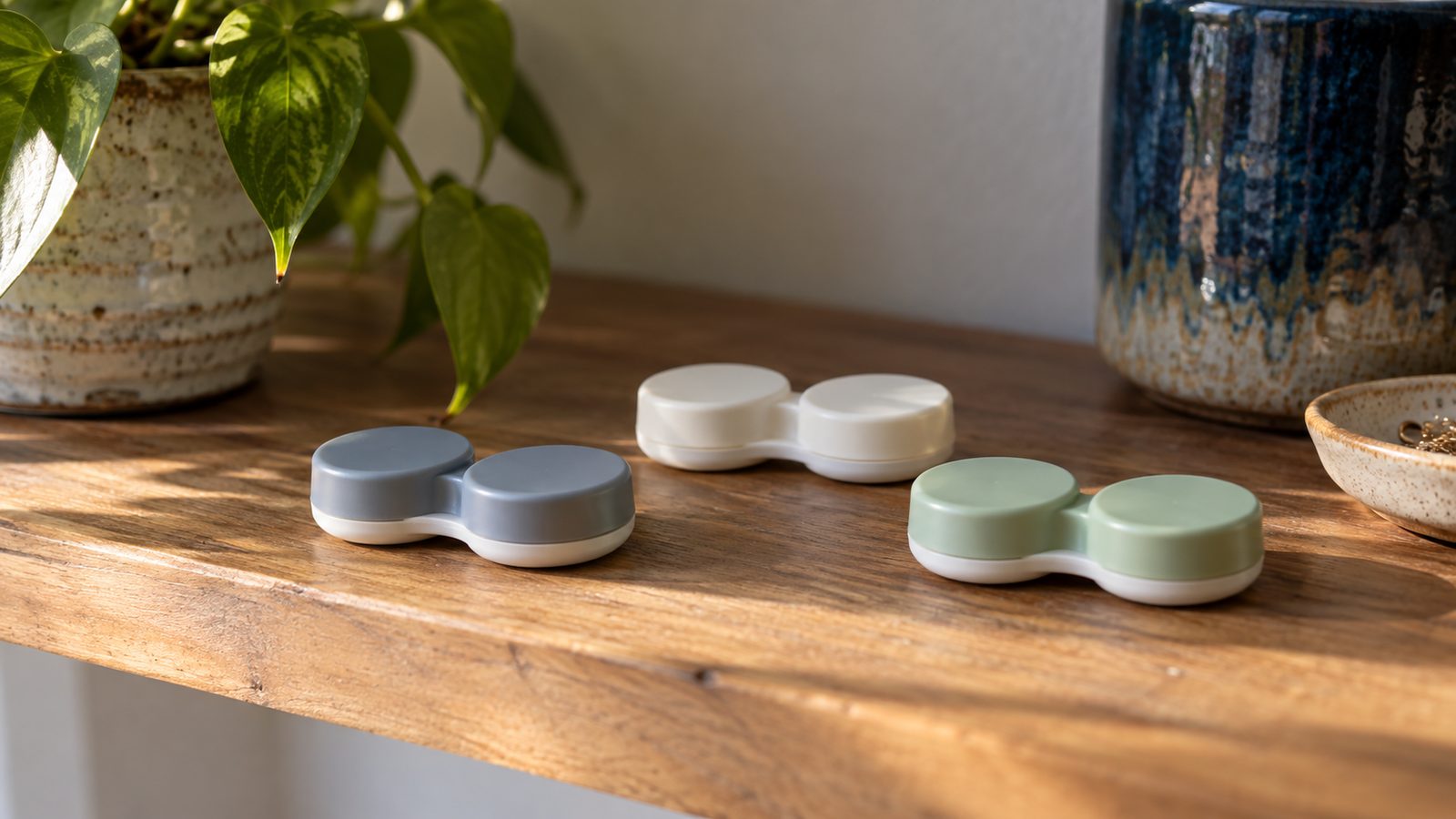
Scleral Lens Brands: A Guide To The Options
A guide to scleral lens brands and designs — diagnostic, profilometry-designed, and custom-molded — and why the fit matters far more than the brand you choose.
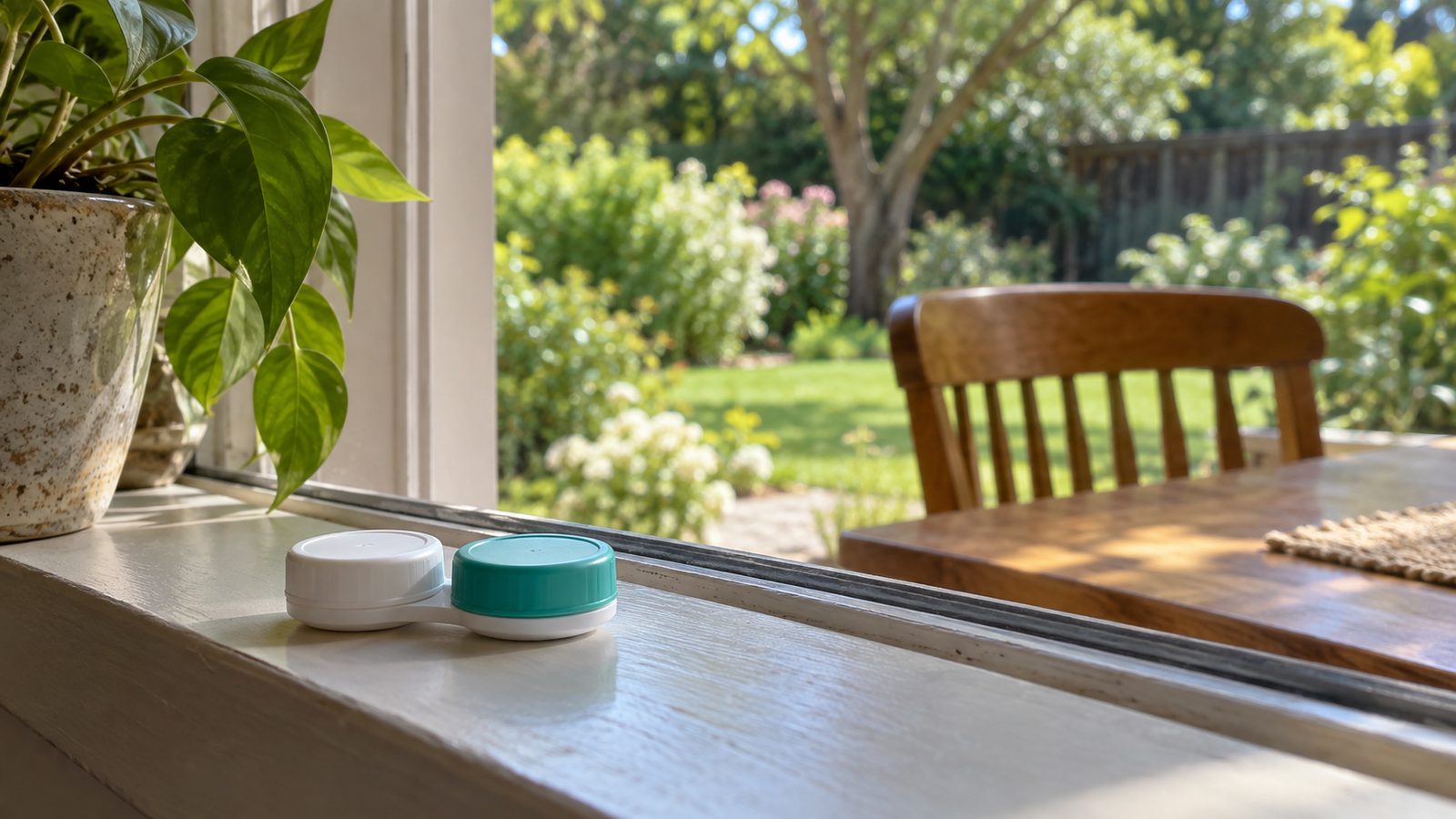
Multifocal Scleral Lenses: Clear Vision At Every Distance
Multifocal scleral lenses correct an irregular cornea or dry eye and presbyopia at once — clear near, intermediate, and distance vision in one custom lens.
Autologous Serum Eye Drops For Severe Dry Eye
Autologous serum eye drops are made from your own blood serum for severe dry eye — Sjögren's, GVHD, neurotrophic disease.
Best Eye Drops For Sjogren's Dry Eye: A Guide
The best eye drops for Sjögren's dry eye: preservative-free tears, prescription anti-inflammatories, serum tears — and why severe cases need more than drops.
Ready to see clearly again?
Michigan Contact Lens fits scleral and specialty lenses for keratoconus, irregular corneas, corneal transplants, and severe dry eye.