
Keratoconus and Driving: Vision, Safety, and Night Glare
Few everyday tasks expose keratoconus like driving, especially after dark. Glare, halos, and distorted vision can turn a routine drive into a stressful one. If night driving has become difficult, here’s what’s happening and what can help.
How keratoconus affects driving vision
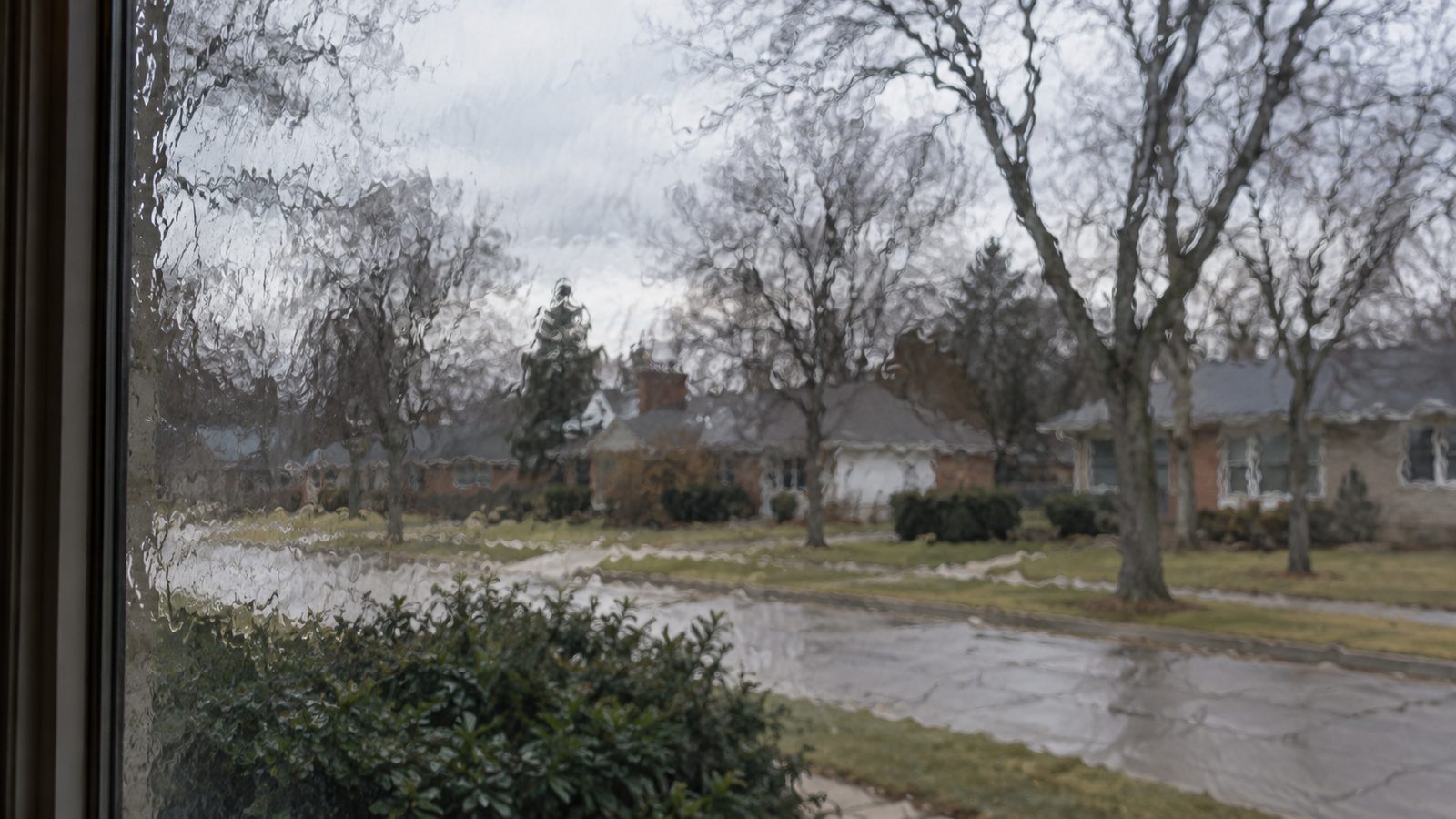
Because keratoconus makes the cornea irregular, it scatters incoming light rather than focusing it cleanly. Behind the wheel, that shows up as glare and starbursts around headlights and streetlights, halos at night, ghosted or doubled images, and reduced contrast that makes it harder to judge distance and read signs. Many people first realize how much their vision has changed when they notice they’re avoiding night driving. Our keratoconus page covers the condition in depth.
Vision and your driver’s license
States set minimum vision standards for driving, and Michigan is no exception. What matters is your functional, corrected vision — how well you see with your best correction in place. For many keratoconus patients, glasses no longer meet that bar, but properly fitted specialty lenses can restore vision well within driving standards. If you’re unsure whether your current vision is safe or legal for driving, an evaluation is the place to start.
How specialty lenses improve driving vision
This is where keratoconus care makes a real difference. Scleral lenses replace the irregular cornea with a smooth optical surface, which sharply reduces the glare and halos that plague night driving — see scleral lenses for keratoconus. For patients who still struggle with night-time glare and halos even in lenses, advanced wavefront-guided scleral lenses can target those specific aberrations.
Tips for safer driving with keratoconus
- Keep your windshield clean inside and out — smears magnify glare.
- Make sure your lens prescription is current; keratoconus vision can change.
- Reduce dashboard brightness at night and use the night setting on your mirror.
- When possible, plan longer trips for daylight while you address your vision.
When to get re-evaluated
If driving — especially at night — has become uncomfortable or you’re relying on others to drive after dark, don’t accept it as permanent. Better vision is usually achievable. Explore the full range of options in keratoconus treatment options.
Is keratoconus making it hard to drive at night?
Dr. Shira Kresch is a keratoconus and specialty lens specialist at Michigan Contact Lens in Southfield, serving patients across Metro Detroit. Your initial consultation is complimentary.
Related reading
Can You Get LASIK With Keratoconus? | Michigan Contact Lens
LASIK is contraindicated in keratoconus — it removes tissue from a cornea already too thin. What that means, why screening matters, and what works instead.

When To Refer A Keratoconus Patient | Michigan Contact Lens
A practical guide for referring optometrists and ophthalmologists: the clinical triggers for specialty lens referral in keratoconus, and what you get back.

Can Keratoconus Cause Headaches? | Michigan Contact Lens
Keratoconus does not cause headaches directly, but the visual strain it produces often does. The mechanism, what helps, and the symptoms that need urgent care.

Eye Drops For Keratoconus: What They Can And Cannot Do
No eye drop treats keratoconus. What drops genuinely help with, why controlling an allergic itch matters more than most patients are told, and what to avoid.

What Keratoconus Vision Looks Like | Michigan Contact Lens
Ghosting, streaking headlights, smeared text, a second faint image in one eye — what keratoconus vision actually looks like, and why it is hard to describe.

Keratoconus Specialist In Southfield & Metro Detroit
Looking for a keratoconus specialist near Detroit? Diagnosis, cross-linking coordination, and scleral lens fittings at Michigan Contact Lens in…
Ready to see clearly again?
Michigan Contact Lens fits scleral and specialty lenses for keratoconus, irregular corneas, corneal transplants, and severe dry eye.