
Scleral lenses have become increasingly popular in recent years due to their ability to provide superior comfort and vision correction for individuals with certain eye conditions. These lenses are designed to vault over the cornea and rest on the sclera, providing a comfortable and stable fit for those who struggle with traditional contact lenses.
One of the key components of caring for scleral contact lenses is the use of saline solution for cleaning and storing the lenses. Saline solution is a sterile solution that is used to rinse, clean, and store contact lenses. In short, the saline solution enhances the benefits of scleral lenses. However, there are two main types of saline solution available for use with scleral lenses: buffered and non-buffered saline.
What is a Buffer Solution in the Scleral Saline?
A buffer solution in scleral saline is a carefully designed solution that maintains the proper pH and electrolyte balance to ensure comfort and effectiveness when using scleral lenses. The primary role of the buffer solution is to maintain an isotonic environment that matches the natural fluids of the eye, preventing irritation, dryness, and discomfort while wearing the lenses.
Ingredients of a Buffer Solution in Scleral Saline
The ingredients typically used in a buffer solution for scleral saline include:
- Sodium chloride (NaCl): This ingredient ensures the solution is isotonic, matching the salt concentration of the body’s natural fluids.
- Boric acid and sodium borate: These are key buffering agents in scleral saline solutions. Boric acid helps stabilize the pH, and sodium borate acts as a buffering agent that helps maintain the solution’s pH within a range that is comfortable and safe for the eyes.
- Potassium chloride (KCl): This helps maintain the necessary electrolyte balance, ensuring the solution mimics natural tears.
- Calcium chloride (CaCl₂): This compound ensures proper hydration and helps maintain the integrity of the ocular surface.
Composition of the Buffer Solution in Scleral Saline
The composition of a scleral saline buffer solution is carefully balanced to mimic the natural tear film. Key components include:
- Electrolytes (Sodium, Potassium, Calcium): These electrolytes mirror the natural balance in the eye, promoting hydration and comfort.
- pH buffering agents (Boric acid and sodium borate): These components help maintain the pH level of the saline solution, typically around 7.4, ensuring it is neither too acidic nor too alkaline, which is critical for comfort.
- Isotonicity: The solution is isotonic, which means its osmolarity is the same as that of the eye’s natural tears, preventing irritation or dryness.
pH of the Buffer Solution in Scleral Saline
The pH of the buffer solution is typically maintained around 7.4, which is the same as the natural pH of the eye’s tear film. Boric acid and sodium borate are key to stabilising this pH, ensuring the solution remains neutral and non-irritating, providing the most comfortable experience when wearing scleral lenses.
Ideal Use of Buffer Solution in Scleral Saline
Buffer solutions in scleral saline are primarily used for:
- Lens hydration and storage: They keep scleral lenses hydrated, ensuring they remain comfortable and safe to use, preventing lens damage and maintaining hydration.
- Before lens insertion: Rinsing scleral lenses with a buffer solution before placing them in the eyes helps remove any impurities and ensures they are clean and sterile.
- Extended wear: For patients wearing scleral lenses for longer periods, a properly buffered saline solution is essential for preventing discomfort, dryness, or irritation.
What is a Non-Buffered Solution in Scleral Saline?
A non-buffered solution in scleral saline refers to a saline solution that does not contain any buffering agents to maintain a stable pH level. Unlike buffered solutions, which include substances like boric acid or sodium borate to stabilize the pH, non-buffered solutions typically consist of basic ingredients such as water and sodium chloride (NaCl), and they rely solely on the natural osmolarity of the solution to remain in balance with the eye’s fluids. Non-buffered solutions are simpler, and may be used in specific circumstances, but they do not offer the same level of pH stability or comfort that buffered solutions provide.
Ingredients of a Non-Buffered Solution in Scleral Saline
The primary ingredients in a non-buffered saline solution typically include:
- Water (H₂O): The main solvent in the solution, providing the necessary fluid base for hydrating the scleral lenses.
- Sodium chloride (NaCl): This is the salt in the solution, and it helps to create an isotonic solution. Sodium chloride ensures the solution matches the body’s natural saline levels, which is essential to avoid irritation when the scleral lenses are worn.
Since non-buffered saline lacks the additional buffering agents, it can be more susceptible to changes in pH when exposed to external factors such as temperature fluctuations or contamination.
Composition of a Non-Buffered Solution in Scleral Saline
The composition of a non-buffered solution is fairly simple and typically contains:
- Water: The solvent that hydrates the lenses and helps in keeping them clean and comfortable.
- Sodium chloride (NaCl): The electrolyte that ensures the solution’s osmolarity matches that of the eye’s natural tears, preventing discomfort caused by differences in osmolarity.
pH of a Non-Buffered Solution in Scleral Saline
A non-buffered solution does not contain buffering agents to regulate its pH, so its pH may vary depending on the composition and external factors. In some cases, non-buffered solutions may have a pH of around 7 (neutral), but it can fluctuate more than buffered solutions, potentially causing irritation or dryness in the eyes. The lack of stability in the pH makes non-buffered saline less ideal for prolonged contact with the eye.
Ideal Use of Non-Buffered Solution in Scleral Saline
Non-buffered solutions in scleral saline are typically used in specific circumstances, such as:
- Short-term use or emergencies: Non-buffered saline might be used for short-term lens hydration or rinsing when a buffered solution is unavailable.
- Simple saline for cleaning or storage: In some cases, a non-buffered saline solution may be used to rinse or store scleral lenses, although it is generally recommended to use buffered saline for regular storage and hydration.
Considerations for Non-Buffered Solutions
While non-buffered solutions may be suitable for some situations, they are generally less ideal for extended lens wear because:
- They do not offer pH stability, which may lead to discomfort or irritation.
- They may not provide adequate hydration or protection for patients with sensitive eyes, such as those with dry eye syndrome or keratoconus.
Advantages of Buffer vs Non-Buffer Solution in Scleral Saline
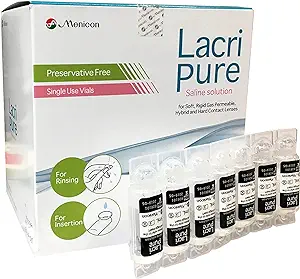
Advantages of Buffered Saline
pH Stability
Buffered solutions maintain a stable pH, typically around 7.4, which is close to the natural pH of tears. This helps prevent irritation or discomfort in the eyes, especially when wearing lenses for extended periods.
The buffering agents (e.g., boric acid, sodium borate) ensure that the solution does not become too acidic or too alkaline, which could cause eye dryness, burning sensations, or discomfort.
Increased Comfort
Because of the pH stability, buffered solutions are more comfortable for long-term use. They help maintain hydration of the scleral lenses and prevent the eyes from drying out.
They create a more compatible environment for the cornea and the scleral lenses, reducing the likelihood of irritation, especially for sensitive eyes.
Effective Hydration
Buffered solutions often contain additional ingredients, like electrolytes, which help maintain the proper osmolarity of the solution. This enhances the hydration of scleral lenses and reduces dryness.
The proper electrolyte balance supports the overall health of the eye, making it suitable for extended lens wear.
Prevents Corneal Damage
The stabilization of pH and hydration with buffered solutions helps protect the cornea from potential damage or irritation. This is especially important for patients with conditions like keratoconus or dry eye syndrome, where the corneal surface is already compromised.
Convenience and Versatility
Buffered solutions are more versatile and suitable for routine use. They are designed for long-term hydration and comfort, making them ideal for regular scleral lens users who wear their lenses for long hours or even overnight.
Advantages of Non-buffered Saline
Simplicity and Cost-Effectiveness
- Non-buffered saline solutions are simple and typically less expensive than buffered solutions. They contain fewer ingredients (typically just water and sodium chloride), making them more affordable for short-term or emergency use.
- They may be a budget-friendly option for people who only use scleral lenses occasionally or for quick rinsing of the lenses.
Suitable for Short-Term Use
- Non-buffered solutions may be appropriate for short-term hydration or lens cleaning when a buffered solution is not available. They can be used for rinsing or storing lenses temporarily.
Availability
Non-buffered saline solutions are widely available and easy to find in many locations, often sold as general-purpose saline solutions. This makes them a convenient option when you’re in need of a basic saline solution in an emergency.
Buffer vs Non-Buffer Saline Solutions
| Feature | Buffered Solution | Non-Buffered Solution |
|---|---|---|
| pH Stability | Maintains a stable pH (around 7.4), ideal for comfort. | pH can fluctuate, leading to potential discomfort. |
| Hydration | Helps keep lenses hydrated and comfortable for longer use. | May not provide long-lasting hydration. |
| Eye Comfort | Reduced irritation and dryness. | May cause irritation or dryness over time. |
| Electrolytes | Contains electrolytes that mimic natural tears. | Lacks electrolytes, less ideal for sensitive eyes. |
| Suitability for Long-Term Wear | Ideal for extended wear of scleral lenses. | Suitable for short-term or emergency use. |
| Cost | Generally more expensive due to added ingredients. | More affordable and basic. |
Which is the Best Option for Scleral Lenses?
Ultimately, the choice between buffered and non-buffered saline for scleral lenses will depend on the individual needs and preferences of the lens wearer. Some individuals may find that buffered saline provides a more comfortable and reliable option for caring for their lenses, while others may prefer the simplicity and affordability of non-buffered saline.
It is important for lens wearers to consult with their eye care provider to determine which type of saline solution is best suited for their specific needs. Your eye care provider can provide recommendations based on your lifestyle, sensitivity to chemicals, and any underlying eye conditions that may impact your lens care routine.
Frequently Asked Questions about Saline for Scleral Lenses
Can I use regular saline solution for scleral lenses?
Generally, it is not recommended to use regular saline solution for scleral lenses. Regular saline may not be sterile or formulated specifically for use with contact lenses, which could increase the risk of eye infections. Ask your doctor about the appropriate brands of off-label saline that would be best for your scleral lens needs.
How often should I change the saline solution in my lens case?
It is recommended to change the saline solution in your lens case every time you use your lenses. This helps to ensure that the solution remains sterile and effective for cleaning and storing your lenses.
Can I use saline solution to rinse my lenses before inserting them?
Yes, you can use saline solution to rinse your scleral lenses before inserting them. This helps to remove any debris or buildup on the lenses and can improve comfort and clarity when wearing the lenses. However, you should also be using some form of disinfectant daily to ensure your eyes stay healthy.
Is it safe to mix buffered and non-buffered saline solutions?
It is not recommended to mix buffered and non-buffered saline solutions, as this could alter the pH balance of the solution and potentially cause irritation or discomfort when using the solution with your lenses.
Can I use saline solution as a substitute for contact lens solution?
No, saline solution is not a substitute for contact lens solution. Contact lens solution is specifically formulated to clean, disinfect, and store contact lenses, whereas saline solution is primarily used for rinsing and storing lenses temporarily.
How should I store my saline solution for scleral lenses?
Saline solution for scleral lenses should be stored in a clean, dry place at room temperature. Avoid storing the solution in direct sunlight or extreme temperatures, as this could impact the effectiveness of
Can I use saline solution to clean my scleral lens case?
Yes, you can use saline solution to clean your scleral lens case. Simply rinse the case with saline solution and allow it to air dry before storing your lenses in the case.
Can I use saline solution to remove protein deposits from my scleral lenses?
While saline solution can help to rinse away protein deposits from scleral lenses, it is recommended to use a specific protein removal solution as needed to ensure thorough cleaning and maintenance of your lenses.
Can I use saline solution past the expiration date?
It is not recommended to use saline solution past the expiration date, as this could compromise the sterility and effectiveness of the solution. Always check the expiration date before using saline solution with your scleral lenses.