

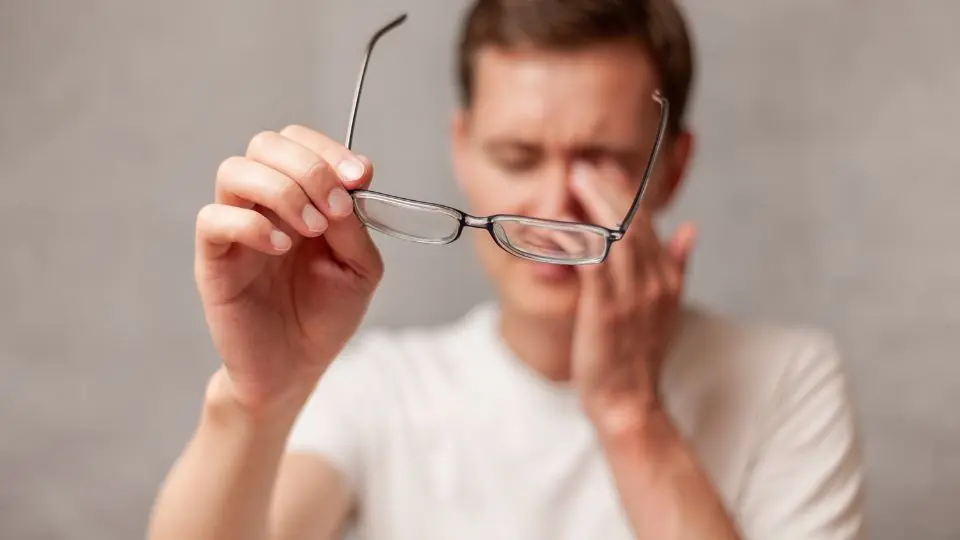
Dry eye syndrome occurs when the eyes cannot produce sufficient tears or maintain a stable tear film, leading to dryness, redness, and discomfort.
The symptoms may range from a mild gritty sensation to more severe issues like eye strain, difficulty with contact lenses, light sensitivity, and even visual disturbances. If left untreated, it can potentially harm the cornea and impair vision.
There are many reasons why dry eye syndrome occurs, such as:
At Michigan Contact Lens, we offer a range of cutting-edge treatments to combat dry eye and restore eye health. These therapies are designed to address the specific causes of dry eye, ensuring a targeted and effective approach.
After a thorough Eye Exam, our highly skilled dry eye specialists — your free consultation and payment options make starting simple — will provide a personalized plan, which may include:
BlephEx is a gentle exfoliation procedure for the eyelids, designed to remove oil buildup, debris, and bacteria that may worsen dry eye symptoms.
Lipflow uses a precise combination of heat and pressure to unclog the meibomian glands, ensuring better oil flow in tears. This advanced treatment reduces dryness and irritation while improving tear production and quality.
Thermal pulsation uses targeted heat and pressure to encourage healthy oil production in the meibomian glands. This therapy improves tear composition, reducing discomfort and providing lasting relief from dry eye.
Designed to fit precisely over the cornea and conjunctiva, scleral lenses keep the eyes hydrated by creating a moisture-rich environment. This effectively reduces dryness and itchiness, providing relief and enhanced comfort.
Watch this video here
At Michigan Contact Lens, we specialize in providing advanced care for chronic dry eye. Our goal is to alleviate your symptoms and improve your eye health through tailored treatment options.
Dr. Shira Kresch and our friendly team — equipped with advanced diagnostic and treatment technology like IPL, RF, and LLLT — are dedicated to creating a care plan that’s just right for you, ensuring you receive the treatment and support needed for lasting relief.
Contact us today to schedule your consultation and discover how our eye specialists in Michigan can benefit you.
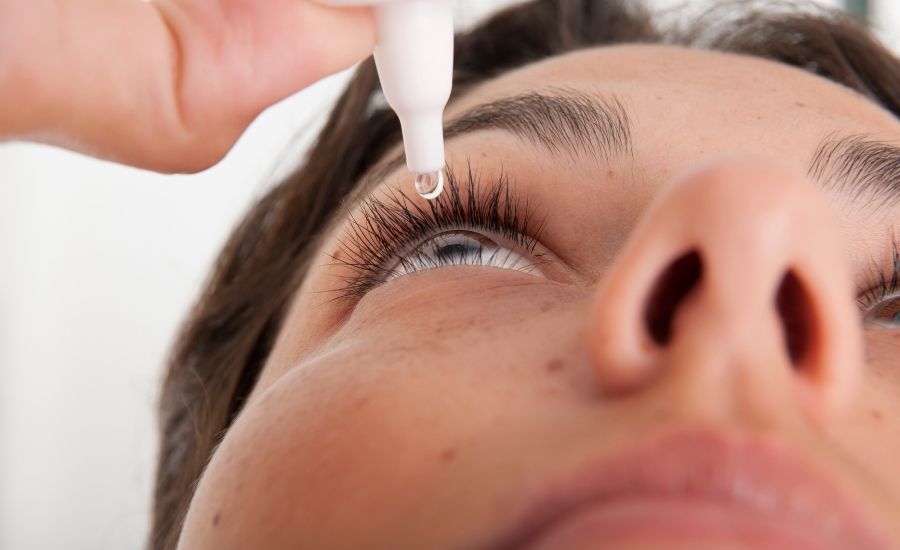
While dry eye syndrome can’t always be prevented, several habits substantially lower your risk. Stay well hydrated, wear wraparound sunglasses in windy or dusty environments, take regular screen breaks (the 20-20-20 rule: every 20 minutes, look 20 feet away for 20 seconds), and use a humidifier in winter. Some medications including antihistamines and certain antidepressants worsen dry eye — ask your doctor about alternatives if you’re symptomatic.
Mild dry eye is usually manageable, but untreated moderate-to-severe dry eye can lead to real complications including corneal abrasions, recurrent eye infections, scarring, and chronic discomfort that affects daily activities. Dry eye is also strongly linked to systemic conditions like Sjögren’s syndrome, rheumatoid arthritis, and thyroid disease. Persistent symptoms warrant a professional evaluation so the underlying cause can be identified and addressed.
There is no permanent cure for chronic dry eye, but it can be very effectively managed. Most patients achieve substantial relief through a combination of personalized treatments — prescription drops, in-office procedures like intense pulsed light (IPL) therapy, lifestyle adjustments, and addressing any underlying conditions. Many find their symptoms become rare and mild with the right treatment plan and consistent follow-through.
Dry eye has many causes, often combined. The most common are aging (tear production declines after 50), screen use (we blink 60% less while staring at screens), meibomian gland dysfunction (the oil glands in the eyelids stop functioning properly), autoimmune conditions, certain medications, hormonal changes, contact lens wear, and dry or windy environments. Identifying which causes apply to you is the first step in effective treatment.
Many dry eye patients can still wear contact lenses comfortably, but the lens type matters significantly. Daily disposable lenses, high-oxygen-permeability materials, and properly fit scleral lenses (which actually vault over the cornea in a fluid reservoir) often work well. Standard soft lenses worn long-term frequently make dry eye worse. A dry eye evaluation before fitting helps us choose lenses that improve rather than aggravate symptoms.
Artificial tears provide temporary lubrication to relieve symptoms — they replace what your eyes lack at that moment. Prescription drops like Restasis, Xiidra, Cequa, and Tyrvaya work differently: they reduce the underlying inflammation that’s causing your eyes to produce poor-quality tears. Artificial tears address symptoms; prescription drops address the disease. Many patients use both, with the goal of needing artificial tears less over time as the prescription drops take effect.
A proper dry eye diagnosis goes beyond asking about symptoms. We use meibography to image your eyelid oil glands, measure your tear film osmolarity (saltiness), check for inflammation with tests like InflammaDry, evaluate tear break-up time, and examine your ocular surface under high magnification. This identifies which subtype of dry eye you have — evaporative, aqueous-deficient, or both — which directly determines what treatments will work for you.
See an eye doctor if symptoms last more than a few weeks despite using over-the-counter artificial tears, if you have a burning or gritty sensation most days, if your vision fluctuates or blurs throughout the day, if light sensitivity is interfering with daily tasks, or if you’ve been diagnosed with an autoimmune condition. Early evaluation prevents complications and gives you the best chance of significant symptom relief.
Make an appointment on WhatsApp