Michigan's Contact Lens Specialists
Contact Lens Exam in Farmington Hills
Time to Schedule a Contact Lens Exam Near Farmington Hills, MI
Contact lenses help you see clearly without glasses. They give you more freedom to move and stay active. But to keep your eyes healthy, you need regular exams.
Most people should get a contact lens exam once a year. This yearly visit keeps your prescription current. It also checks that your eyes are in good health.
How Do You Know It’s Time for a Contact Lens Exam?
Sometimes you need an exam before the year is up. There are a few signs that mean it is time to go in. Watch for any of the following situations.
Your prescription is expiring
Your prescription is expiring
Contact lens prescriptions expire after one to two years. If yours is close to the end date, book an exam now.
Your vision has changed
If things look blurry or you have trouble focusing, see your doctor. Sudden changes in vision need quick attention.
Your eyes feel uncomfortable
Pain, redness, itchiness, or too many tears are warning signs. These can point to an eye infection, dry eye, or corneal damage.
You are switching lens types
Moving from soft to rigid lenses or changing your wear schedule? See your doctor first to make sure the new lenses fit well.
You play sports or swim
Some activities put your eyes at greater risk. Your doctor can suggest the right lenses to keep your eyes safe.

How Michigan Contact Lens Helps You Find the Right Lenses?
Choosing the right contact lenses is not the same for everyone. Michigan Contact Lens looks at your eyes, your vision, and your lifestyle. Then they help you find the best option for your needs.
Expert Guidance
Theteam has years of experience fitting contact lenses. They look at your prescription, eye health, and daily habits. Then they recommend the lenses that work best for you.
Full Eye Exams
Every visit starts with a complete eye exam. The doctor checks your vision and the health of your eyes. They also look for any conditions that may affect your lens choice.
Personal Recommendations
After your exam, you get a custom lens plan. The doctor considers your prescription, astigmatism, and comfort needs. Your wearing schedule and lifestyle are part of the plan too.
Wide Lens Selection
Contact Lens carries many types of contact lenses. These include different brands, materials, and designs. Your doctor will explain your options and help you decide.
Trial Periods
Not sure which lens feels right? You can try a few first. Trial periods let you test lenses for comfort and clarity. You commit only after you find the right fit.
Ongoing Support
After your fitting, the team is still there for you. They can adjust the fit and answer any questions. They also guide you on proper lens care and cleaning.
Our Contact Lens Services Near Farmington Hills
Michigan Contact Lens offers a wide range of contact lens options. Every patient gets a full exam and a custom-fit lens plan. Here are all the services we provide.
Scleral Lenses
Scleral lenses are large rigid lenses that vault over the cornea. They fill with saline solution to keep the eye moist all day. They are ideal for dry eyes, keratoconus, and corneal scarring.
Benefits of Scleral Lenses
Scleral lenses protect the cornea and give sharp, stable vision. They do not touch the sensitive cornea, making them very comfortable. Many patients who failed with other lenses do well with scleral lenses.
Prosthetic Scleral Lenses
Prosthetic scleral lenses improve the look of a damaged or disfigured eye. They are custom-made to match the color and shape of your other eye. They also protect the eye and can improve comfort at the same time.
Scleral Lens Fitting
Getting the right scleral lens fit takes skill and precision. Our doctors use corneal mapping to design a lens for your exact eye shape. The fitting process may take a few visits to get the best result.
Soft Contact Lenses
Soft contact lenses are flexible and easy to wear. They conform to the shape of your eye for instant comfort. They come in daily, biweekly, and monthly options.
Daily disposable lenses are the most hygienic choice. You use a fresh pair every day and throw them away at night. There is no cleaning needed, which makes them very convenient.
Silicone hydrogel lenses allow more oxygen to reach the cornea. This keeps the eye healthier during long hours of wear. They are a top choice for patients who wear lenses all day.
Hard-to-Fit Contact Lenses
Some people cannot wear standard contact lenses comfortably. Conditions like keratoconus, dry eye, or past eye surgery make fitting hard. Michigan Contact Lens specializes in finding solutions for these patients.
We offer a full range of specialty lenses for complex eyes. Our doctors take time to understand your eye condition and history. We find a lens that fits well, feels good, and gives clear vision.
Gas Permeable (RGP) Lenses
Gas permeable lenses are rigid lenses that let oxygen pass through. They give sharp, clear vision and last longer than soft lenses. They are a great choice for patients with astigmatism or irregular corneas.
RGP lenses hold their shape on the eye for stable vision. They are easy to clean and very durable. Many patients get sharper vision with RGP lenses than with soft lenses.
Ortho-K Contact Lenses
Ortho-K lenses are worn at night while you sleep. They gently reshape the cornea overnight for clear vision during the day. You wake up and see clearly without glasses or contacts.
Ortho-K is a great option for children with progressing myopia. It can slow down the growth of nearsightedness over time. It is also popular with adults who do not want daytime lens wear.
Myopia Control Contact Lenses
Myopia control lenses are designed to slow the progression of nearsightedness. They use special optical zones to reduce the stimulus for eye growth. They are most effective when started early in childhood.
MiSight lenses by CooperVision are a proven myopia control option. They are FDA-approved daily disposable lenses for children. In the three-year randomised trial they slowed myopia progression by 59% on average.
Hybrid Contact Lenses
Hybrid lenses combine a rigid center with a soft outer ring. The rigid center gives sharp vision like an RGP lens. The soft skirt gives comfort like a soft lens.
Hybrid lenses are a good middle ground for patients who want both. They stay centered well and do not pop out during activity. They work well for keratoconus and high astigmatism.
Multifocal Contact Lenses
Multifocal lenses correct both near and distance vision in one lens. They are designed for people over 40 who need help with reading. You can see clearly at all distances without switching to reading glasses.
Our doctors carefully fit multifocal lenses for each patient. Getting the right balance of near and far vision takes expert fitting. Most patients adapt quickly and enjoy clear vision all day.
Prosthetic Contact Lenses
Prosthetic lenses improve the appearance of an injured or blind eye. They are custom-painted to match the color of your healthy eye. They give patients renewed confidence in their appearance.
Some prosthetic lenses also provide light sensitivity relief. They can reduce glare for eyes that are sensitive to bright light. Our doctors work with each patient to create the right design.
Pediatric Aphakic Contact Lenses
Aphakia means the eye has no natural lens, often after cataract surgery. In babies and young children, this requires a special contact lens. Pediatric aphakic lenses correct vision during the critical years of eye development.
Early treatment is important to preventing permanent vision loss. Our doctors have experience fitting very young patients with these lenses. We work closely with families to make the process safe and comfortable.
Myopia Management Services
Myopia, or nearsightedness, is growing fast in children worldwide. Left untreated, it can lead to serious eye problems in adulthood. Michigan Contact Lens offers several myopia management options.
MiSight Contact Lenses
MiSight daily lenses are FDA-approved for myopia control in children. They correct vision and slow the progression of nearsightedness. Children find them comfortable and easy to use every day.
Ortho-K for Myopia Management
Ortho-K lenses reshape the cornea while your child sleeps. This gives clear vision during the day without any daytime lenses. It is also proven to slow myopia progression in growing eyes.
Myopia Control Glasses
Special glasses with Defocus Incorporated Multiple Segments (DIMS) can slow myopia. They correct vision in the center while reducing stimulus for eye growth at the edges. Our doctors can advise whether myopia glasses are right for your child.
Dry Eye Treatments
Dry eye disease causes pain, redness, and blurry vision. It affects millions of people and can get worse over time. Michigan Contact Lens offers advanced dry eye care near Farmington Hills.
LipiFlow Treatment
LipiFlow is an FDA-approved treatment for meibomian gland dysfunction. It uses gentle heat and pressure to unblock the oil glands in the eyelids. Most patients feel relief after just one in-office treatment session.
Scleral Lenses for Dry Eye
For severe dry eye, scleral lenses act as a moisture chamber for the eye. They hold preservative-free saline over the cornea all day long. This gives lasting relief when eye drops and other treatments are not enough.
Comprehensive Dry Eye Workup
Our dry eye evaluation goes beyond a standard eye exam. We test your tear quality, gland function, and blink patterns. This data helps us create a treatment plan that targets the real cause.
Michigan Contact Lens Service Areas
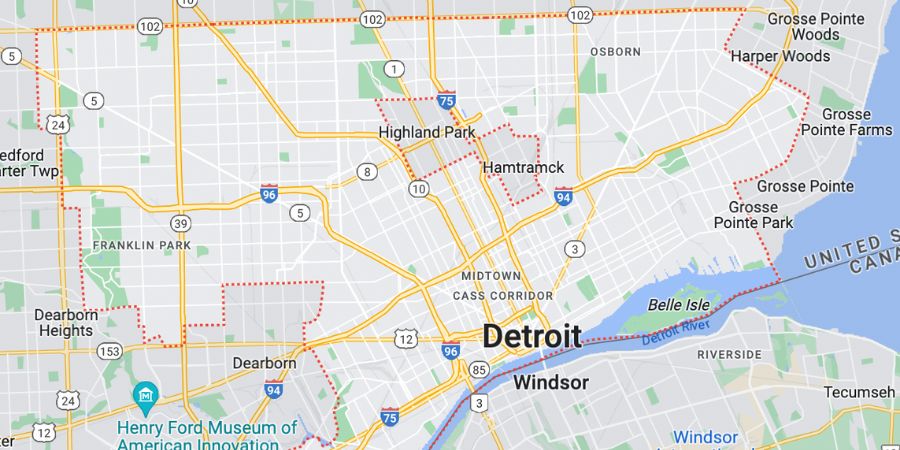
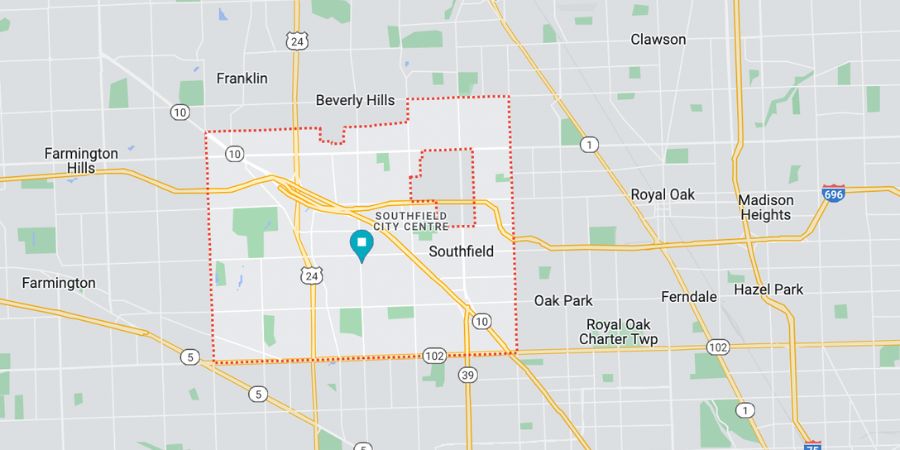
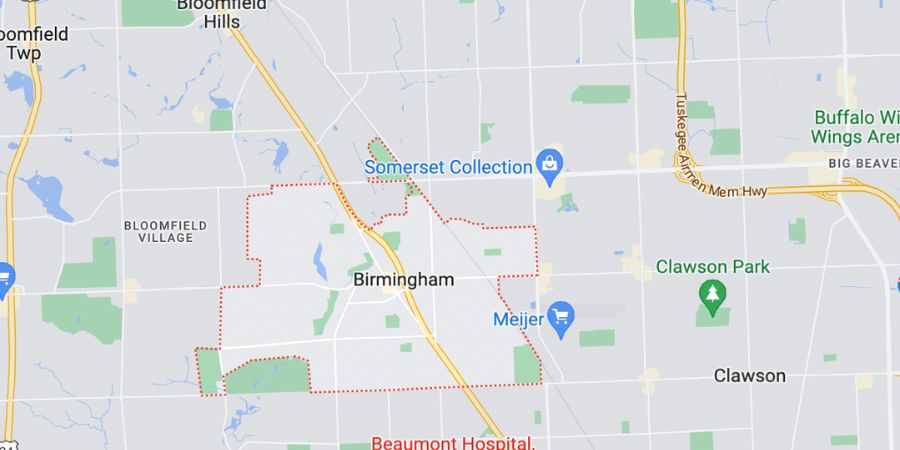
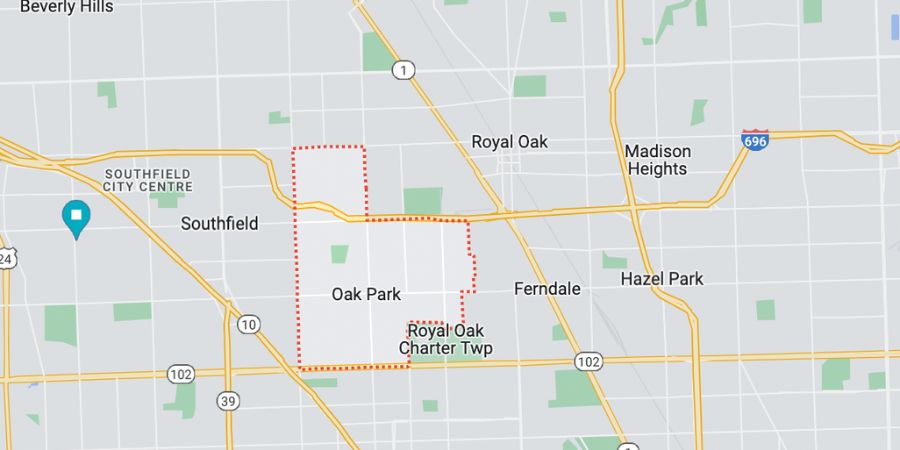
Michigan Contact Lens serves patients across the greater Detroit area. They offer contact lens exams, fittings, and specialty lens care. Find the location closest to you and book your visit today.
- Detroit
- Southfield
- Birmingham
- Oak Park
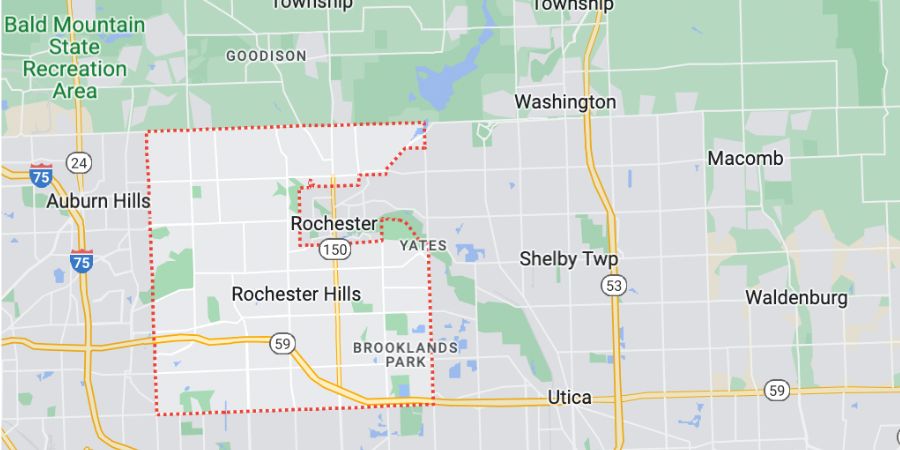
- Rochester Hills
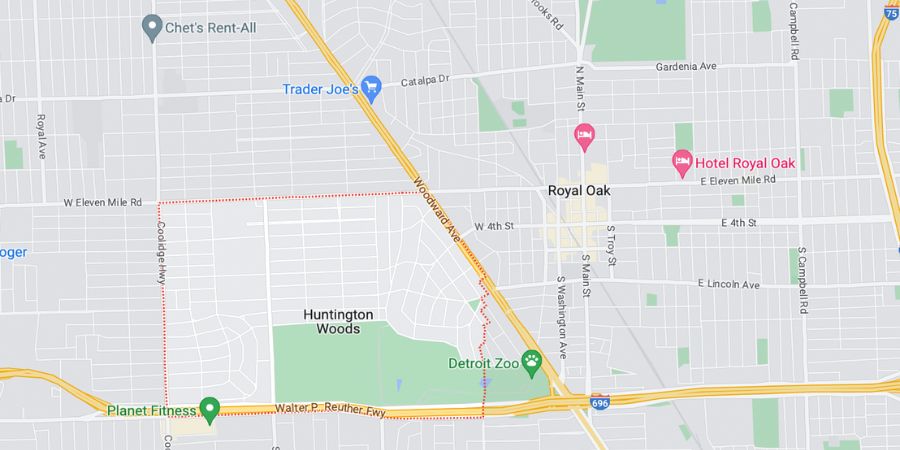
- Huntington Woods
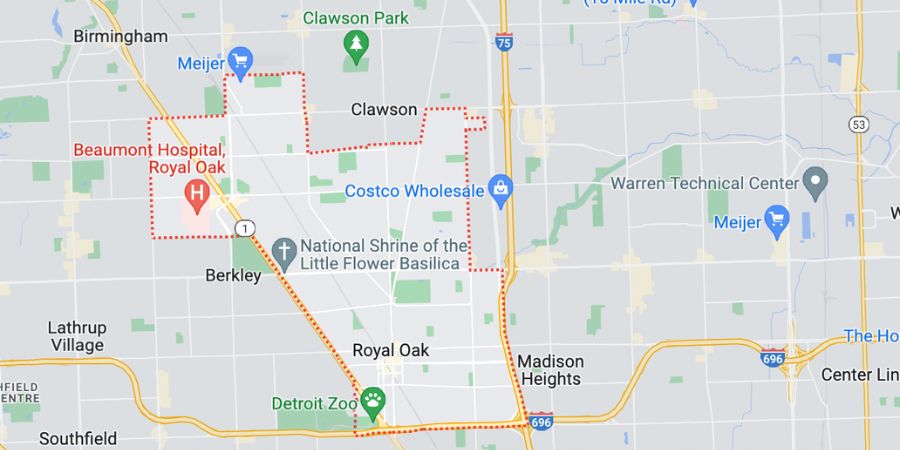
- Royal Oak
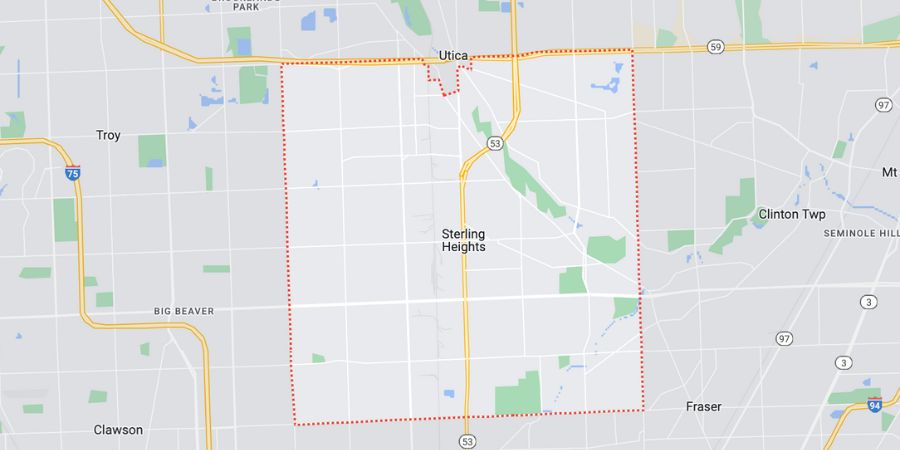
- Sterling Heights
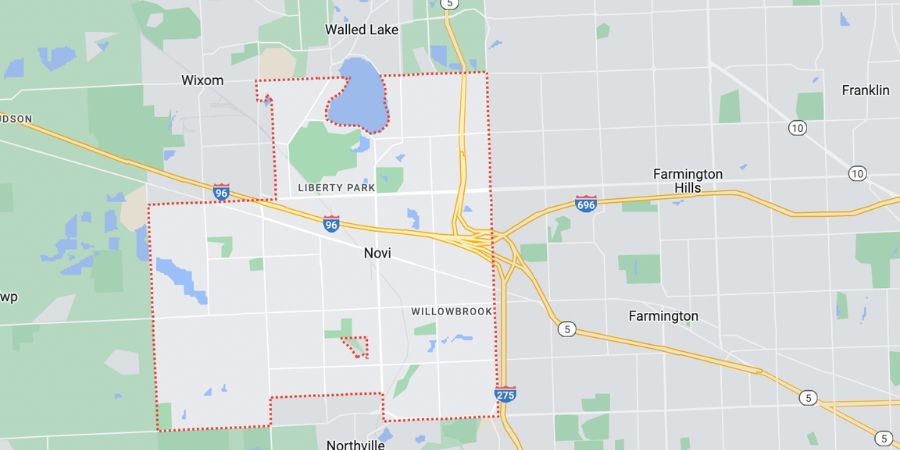
- Novi
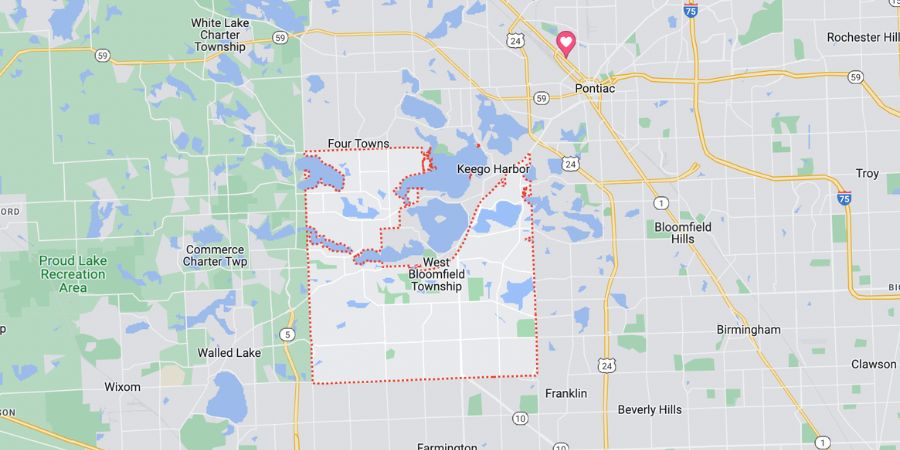
- West Bloomfield
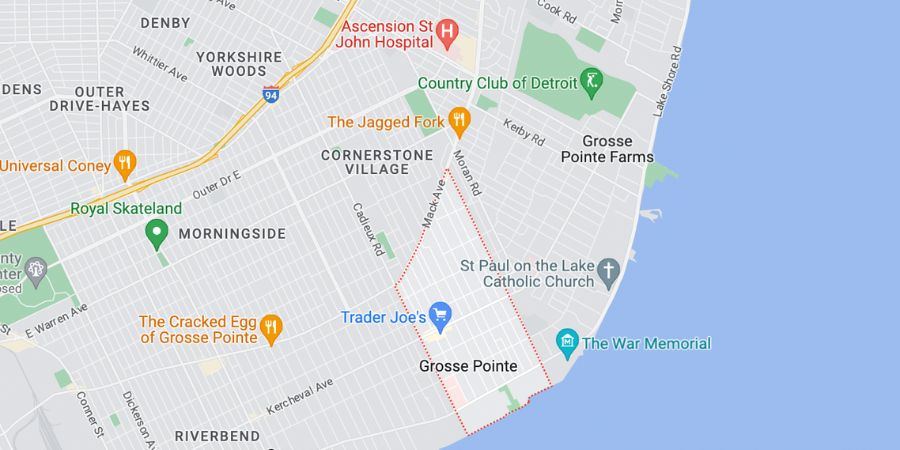
- Grosse Pointe
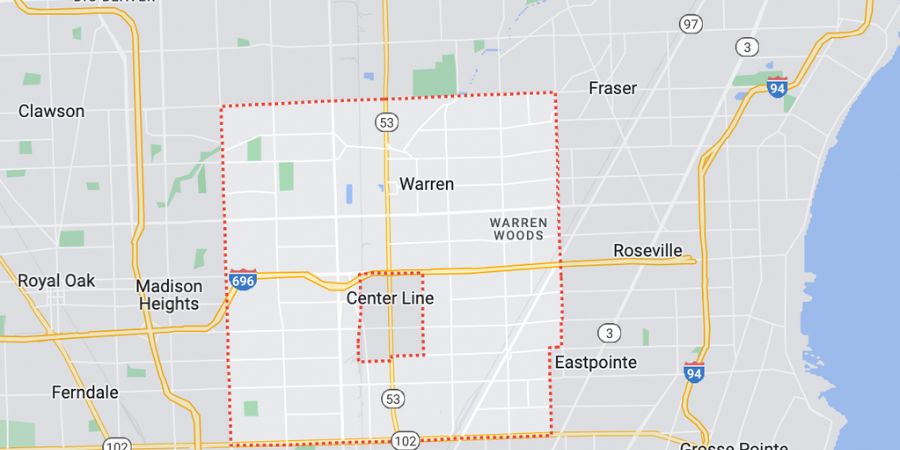
- Warren
Michigan Contact Lens 17000 West 10 Mile Road, Southfield, MI 48075 Phone: 248-545-2800 | Hours: Mon – Fri, 9 AM – 4 PM
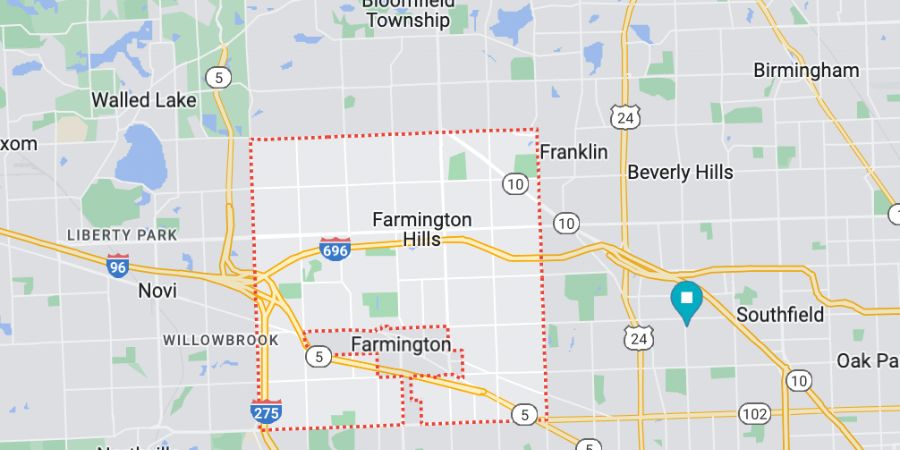
More about Farmington Hills
Farmington Hills is an affluent city with a population of over 80,000 people. Farmington Hills is known for its excellent schools, beautiful parks, and upscale neighborhoods.
The city is home to several large corporations, including Bosch, Nissan, and Chrysler. With its prime location, Farmington Hills allows its residents easy access to the major metropolitan areas of Detroit and Ann Arbor.
The city’s parks and recreation department offers a variety of programs and activities for residents of all ages. Heritage Park is the largest park in Farmington Hills, with over 200 acres of fields, trails, and ponds.
The park has a nature center, splash pad, and several playgrounds. The city hosts annual events such as the Harvest Moon Celebration and the Summer Concert Series.
Farmington Hills is home to several notable historic sites, including the Governor Warner Mansion and the Longacre House. The Governor Warner Mansion was built in 1867 and was the home of Michigan’s Governor Fred M. Warner from 1905 to 1911.
The Longacre House is a beautiful Victorian mansion that was built in 1869 and is now used as an event center. Both sites offer tours and host events throughout the year. Overall, Farmington Hills’ combination of natural beauty, quality education, and historic charm make it a great place to live for families and professionals alike.