
Scleral Lens Settling: Why Your Vision Shifts in the First Hour
Scleral lens settling is normal: over the first 30–60 minutes of wear, the lens gently sinks a fraction of a millimeter into the soft tissue it rests on, and your vision can shift slightly as it does. A well-designed lens accounts for settling in advance — so if your vision changes dramatically after the first hour, that’s a fit conversation, not something to live with.
Why do scleral lenses settle?
Scleral lenses don’t touch the cornea at all — they vault over it and land on the conjunctiva, the soft tissue covering the white of your eye. That tissue compresses slightly under the lens over the first hour, the way a footprint settles into firm sand. As the lens sinks, the saline reservoir between the lens and your cornea gets a little shallower, which can subtly change how light focuses.
What settling feels like — and what it shouldn’t
Normal settling is mild: vision that’s a touch different at hour two than at minute five, or slightly increased lens awareness late in the day. What settling should not cause: significant blur that comes and goes, a lens that feels suction-tight by evening, redness where the lens lands, or a reservoir that turns cloudy. Cloudiness is usually midday fogging — a related but different problem with its own fixes.
How your fit accounts for settling
This is why scleral fittings measure your eye, not just your prescription. At Michigan Contact Lens, we design lenses from a 3D map of your eye’s surface captured with Eaglet Eye profilometry, and we evaluate the vault after the lens has settled — not just at insertion. The goal is a reservoir that’s still in the ideal range at hour eight, which is also why a proper fitting takes more than one quick visit.
When to call your specialist
If your vision shifts noticeably every day after the first hour, if removal gets difficult by evening, or if you see an air bubble forming under the lens as the day goes on, your lens geometry likely needs a small adjustment. These are routine refinements — and exactly what follow-up visits are for.
Lens settling shouldn’t be a daily guessing game. Dr. Shira Kresch fits and refines scleral lenses for patients across Metro Detroit at our Southfield office — your first specialty consultation is free. Book online or call (248) 545-2800.
Frequently Asked Questions
- How long does it take for a scleral lens to settle?
Most settling happens in the first 30 to 60 minutes of wear, with small additional changes over several hours. Your doctor evaluates the fit after settling for this reason.
- Is it normal for vision to change during the day with scleral lenses?
Slight changes as the lens settles are normal. Significant or daily fluctuation usually means the vault or landing zone needs adjustment — contact your scleral lens specialist.
- Can settling make my scleral lens too tight?
Yes — if a lens settles more than the design anticipated, it can feel suction-tight by evening. This is fixable with a landing-zone adjustment, so mention it at your follow-up.
Related reading
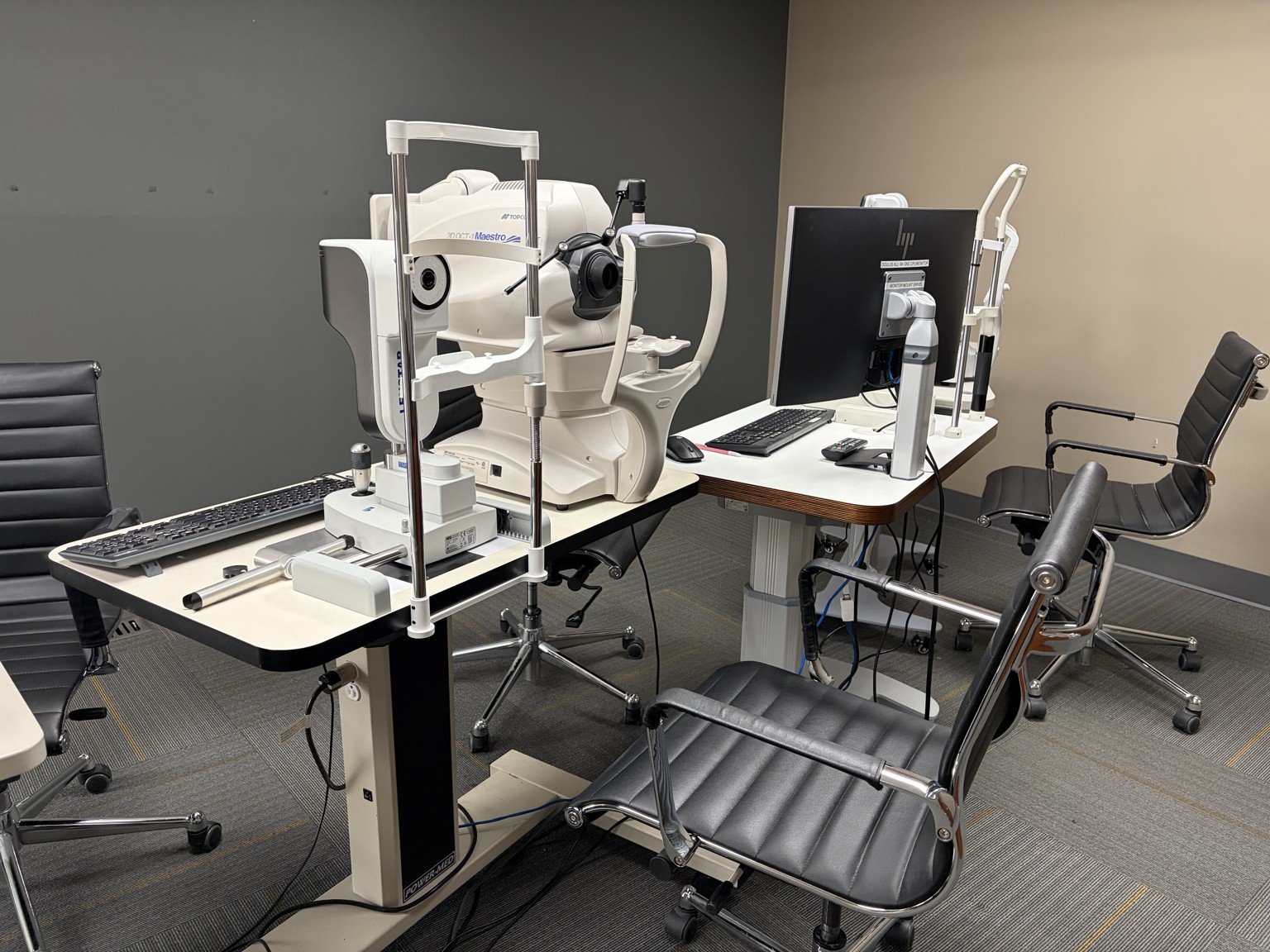
What Happens After You Refer A Patient | Michigan Contact Lens
For referring doctors: the specialty lens pathway step by step — what we do at each visit, what your patient is told, and exactly what comes back to you.

How Many Corneal Transplants Can You Have? | Michigan Contact Lens
Repeat corneal transplants are possible, but each one is a harder ask than the last. When a regraft is needed — and when a lens over the graft is the better answer.

Why Soft Lenses Fail On An Irregular Cornea | Michigan Contact Lens
A soft lens drapes over the cornea and reproduces its shape. On an irregular cornea that is the whole problem — and no amount of refitting changes it.
Finding A Scleral Lens Specialist In Metro Detroit
Looking for a scleral lens specialist near Detroit? What to look for, the conditions we treat, and how to book a free consultation in Southfield, MI.
Vision After A Corneal Transplant | Scleral Lenses
Blurry vision after a corneal transplant is normal, not a failure. Why it happens, the graft types, rejection warning signs, and how scleral lenses correct it.
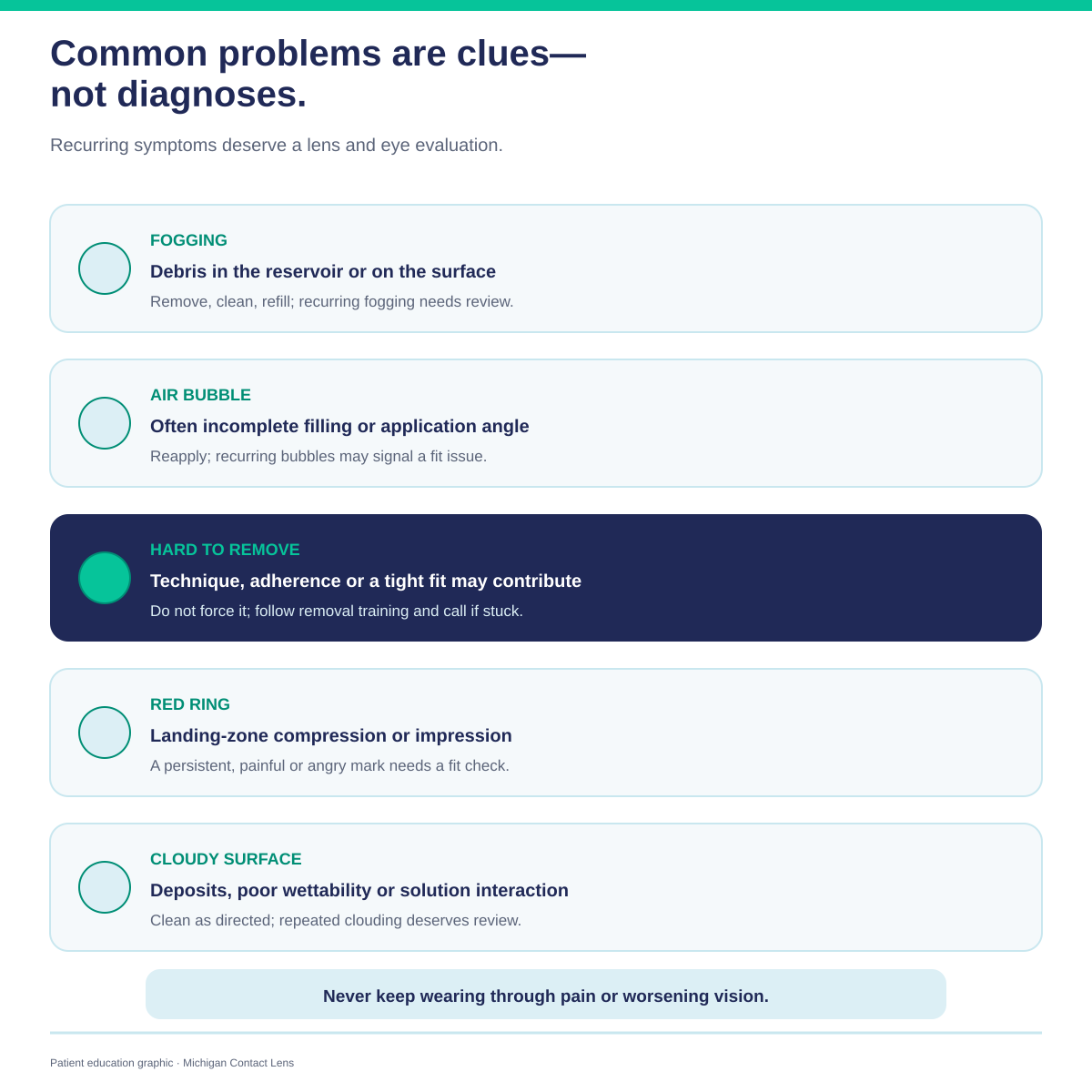
Do Scleral Lenses Hurt? Comfort And Adapting | MCL
A correctly fitted scleral lens should not hurt. What adaptation actually feels like, what discomfort usually turns out to be, and when to call.
Ready to see clearly again?
Michigan Contact Lens fits scleral and specialty lenses for keratoconus, irregular corneas, corneal transplants, and severe dry eye.