
How Much Does Dry Eye Treatment Cost? IPL, RF & What Determines the Price
If you’ve been managing dry eye with an endless rotation of drops, warm compresses, and “come back if it gets worse,” you’ve probably wondered what real treatment — IPL, radiofrequency, the technology that actually targets root causes — would cost. And you’ve probably noticed that nobody publishes a simple number.
There’s a legitimate reason: dry eye treatment cost depends on what’s actually causing your dry eye, and that’s something no one can know until your eyes are properly evaluated. Here’s an honest look at the factors that determine the cost — and how to think about the investment.
The short answer: diagnosis determines everything
Dry eye treatment cost varies because dry eye isn’t one disease. Evaporative dry eye from meibomian gland dysfunction (MGD), aqueous deficiency, inflammation from ocular rosacea — each calls for a different treatment plan, with a different number of sessions and a different cost. Treating the wrong cause is the most expensive option of all, because you pay and your eyes stay dry.
That’s why everything starts with a proper dry eye evaluation — and at Michigan Contact Lens, your specialty consultation is free, so the diagnosis conversation costs you nothing.
1. The root cause of your dry eye
We evaluate your tear film and meibomian gland function to identify why your eyes are dry before recommending anything. A patient with blocked oil glands needs a different plan than one with inflammation-driven dryness — and the plan determines the price. No reputable practice can quote dry eye treatment sight unseen.
2. The treatment modality your eyes need
- IPL (Intense Pulsed Light) — targets the inflammation driving evaporative dry eye at its source. Typically delivered as a series of in-office sessions.
- RF (Radiofrequency) — gentle warming energy that helps restore healthy gland function and tear production; often paired with IPL.
- LLLT (Low Level Light Therapy) — soothing light energy that promotes healing; many patients find it the most relaxing part of their plan.
- Supporting therapies — prescription drops, at-home regimens, and maintenance care that protect your results.
Some patients need one modality; stubborn, chronic cases often respond best to a combination. More comprehensive plans cost more — and resolve more.
3. How many sessions your plan involves
In-office treatments like IPL work as a series, not a single visit, with periodic maintenance afterward to protect your results. The severity and chronicity of your dry eye determine how many sessions your plan starts with — which is why two patients can have meaningfully different totals for the “same” treatment.
4. How long you’ve had it
Dry eye that’s been smoldering for years — through a drawer full of abandoned drops — typically involves more gland damage and more inflammation than dry eye caught early. Earlier treatment is almost always less treatment.
5. What’s included in the plan
When comparing costs, make sure you’re comparing complete plans: Is the diagnostic workup included? Follow-up evaluations to verify the treatment is working? A clear maintenance roadmap? A number that covers less isn’t a lower price — it’s a different product.
6. Insurance, HSA/FSA, and your real cost
Here’s the honest picture: insurance coverage for advanced dry eye treatments varies widely. Many plans still classify IPL and similar in-office therapies as elective, even though dry eye itself is a medical condition — while the medical evaluation and management of dry eye disease may qualify for out-of-network reimbursement through the superbill we provide.
What almost always applies: HSA and FSA funds, since dry eye treatment is a qualified medical expense for most plans. We also accept CareCredit financing, all major credit cards, check, and cash — and Medicaid patients can ask about our need-based program (up to 50% off for qualifying patients). The full picture is on our Insurance & Payment Options page.
The cost of not treating it
Untreated dry eye has its own price tag: years of artificial tears that mask symptoms without fixing causes, contact lenses you can’t tolerate, screen time that ends in burning eyes, and gland dysfunction that worsens quietly. Many of our patients spent more on drops over the years than a treatment plan would have cost — without ever feeling better.
Get your exact answer — free
The honest answer to “how much does dry eye treatment cost” is: let’s find out what’s causing yours, then tell you precisely. Your consultation at Michigan Contact Lens is free, with no commitment. You’ll leave knowing your root cause, your recommended plan, and your exact investment — including how HSA/FSA and reimbursement apply to you.
Book your free dry eye consultation or call (248) 545-2800. We’re at 17000 W 10 Mile Rd in Southfield, serving all of Metro Detroit.
Related reading

When To See A Dry Eye Specialist (and What To Expect)
Drops not working? Learn the signs it's time to see a dry eye specialist, what a dry eye evaluation involves, and the advanced treatments available.

Dry Eye And Screen Use: Tips For Computer Users
Screens are a leading cause of dry eye. Learn why computer use dries your eyes and practical tips — the 20-20-20 rule, blinking, and workspace fixes.
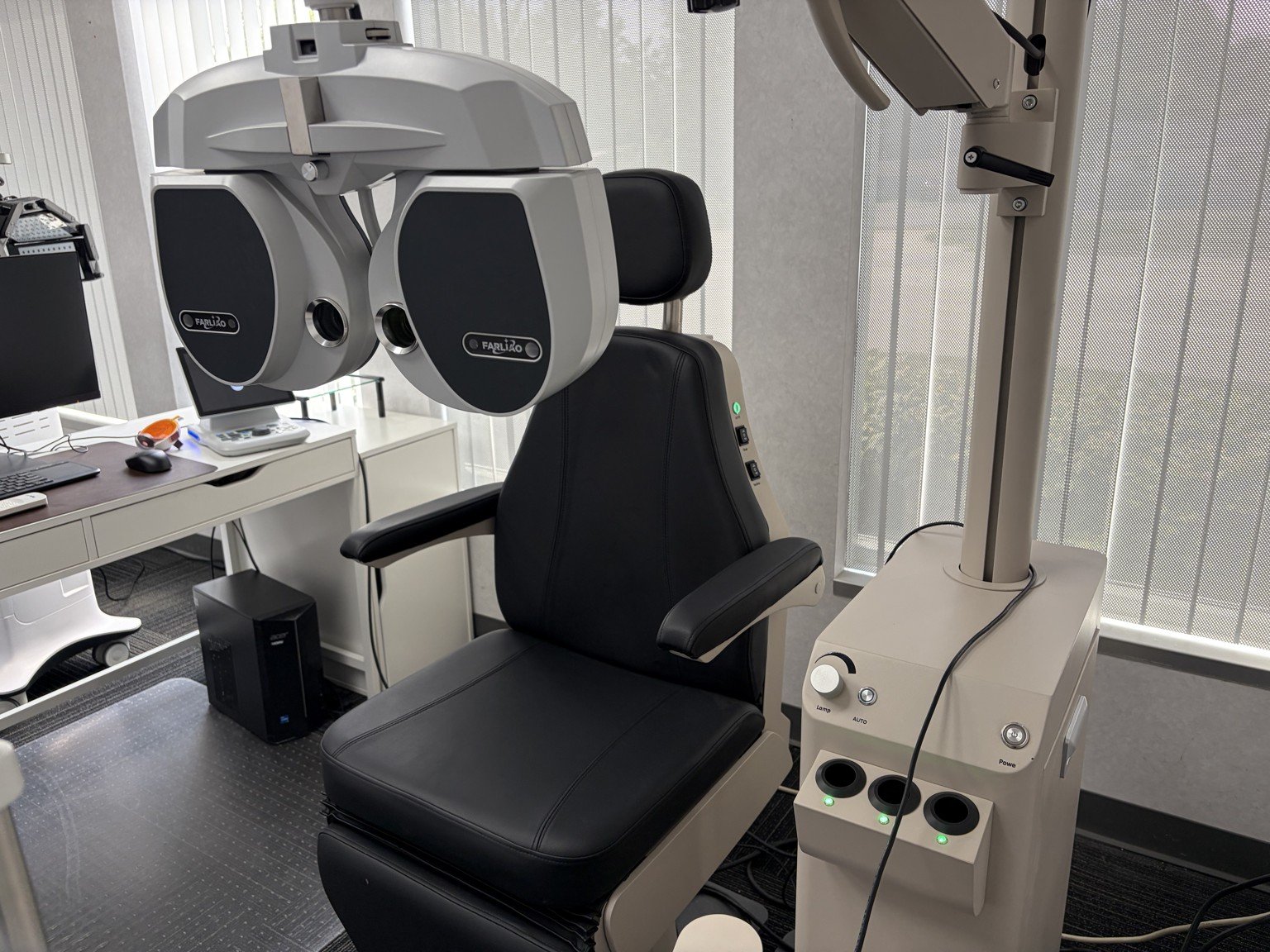
Why Are My Eyes Watery? The Dry Eye Paradox
Watery eyes can actually be a sign of dry eye. Learn the surprising reason your eyes overflow when they're dry — and what actually helps.

What Causes Dry Eye? Common Triggers Explained
Dry eye has many causes — from screens and aging to medications and medical conditions. Learn the common triggers and what you can do about them.
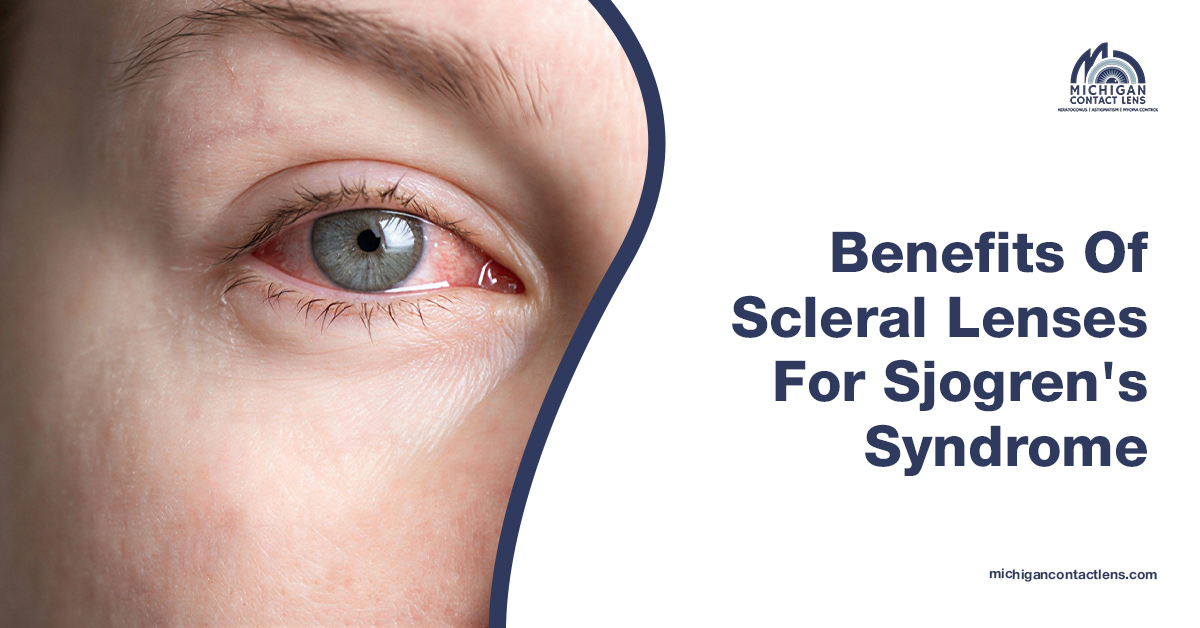
Benefits Of Scleral Lenses For Sjogren's Syndrome
Scleral Lenses for Sjogren's Syndrome offer lasting comfort where eye drops fail. Learn how they work and the fitting process in 2026 for dry eye relief
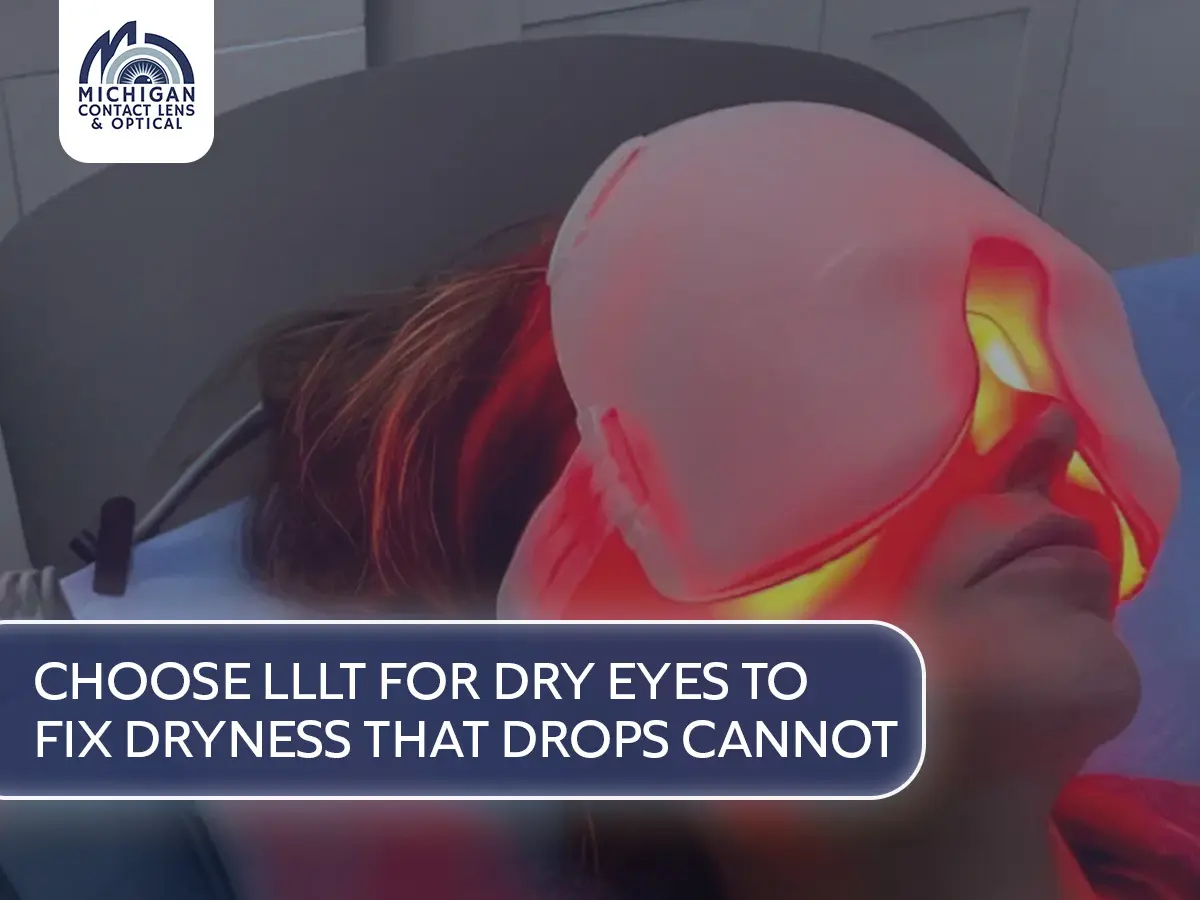
Choose LLLT For Dry Eyes To Fix Dryness That Drops Cannot
Struggling with chronic eye discomfort? LLLT for dry eyes targets oil gland issues and restores tear balance for long-lasting relief beyond drops.
Ready to see clearly again?
Michigan Contact Lens fits scleral and specialty lenses for keratoconus, irregular corneas, corneal transplants, and severe dry eye.