
Dry Eye and Screen Use: Tips for Computer Users
If your eyes feel tired, gritty, or blurry after a day at the computer, you’re experiencing one of the most common forms of modern dry eye. The good news: a few simple habits can make a real difference. Here’s what’s happening and how to fix it.
Why screens dry out your eyes
When you focus on a screen, your blink rate drops sharply — often by more than half — and many of the blinks you do make are incomplete. Since blinking is what spreads a fresh layer of tears across your eye, less blinking means the tear film dries out and your eyes feel irritated. This is a core trigger discussed in what causes dry eye.
Symptoms of screen-related dry eye
Common signs include burning or gritty eyes, tiredness, blurred vision that clears when you blink, and — paradoxically — watery eyes (see the dry eye paradox). Symptoms typically build over the workday and ease when you’re away from screens.
The 20-20-20 rule
The simplest habit to adopt: every 20 minutes, look at something about 20 feet away for at least 20 seconds. It gives your focusing muscles a rest and prompts a natural round of full blinks.
Blink fully and often
Make a conscious effort to blink completely, especially during long reading or video sessions. A few slow, full blinks every so often re-coats the eye and relieves dryness.
Optimize your workspace
- Position your screen slightly below eye level so your eyelids cover more of the eye, reducing evaporation.
- Keep air vents, fans, and heaters from blowing toward your face.
- Add humidity to dry office air if you can.
- Reduce glare and keep your screen at a comfortable distance.
Lubricate and take breaks
Doctor-recommended lubricating drops can help during heavy screen days, and short, regular breaks away from the screen give your eyes time to recover.
When it’s more than screens
If your symptoms persist even with these changes, screens may be aggravating an underlying dry eye condition that deserves a proper evaluation — see when to see a dry eye specialist.
Eyes worn out from screen time?
For specialized dry eye diagnosis and treatment, our sister practice 1-800 Dry Eyes focuses exclusively on dry eye disease. You can also reach Michigan Contact Lens in Southfield for the contact-lens side of your care.
Visit 1-800 Dry Eyes or call (248) 545-2800
Related reading

When To See A Dry Eye Specialist (and What To Expect)
Drops not working? Learn the signs it's time to see a dry eye specialist, what a dry eye evaluation involves, and the advanced treatments available.
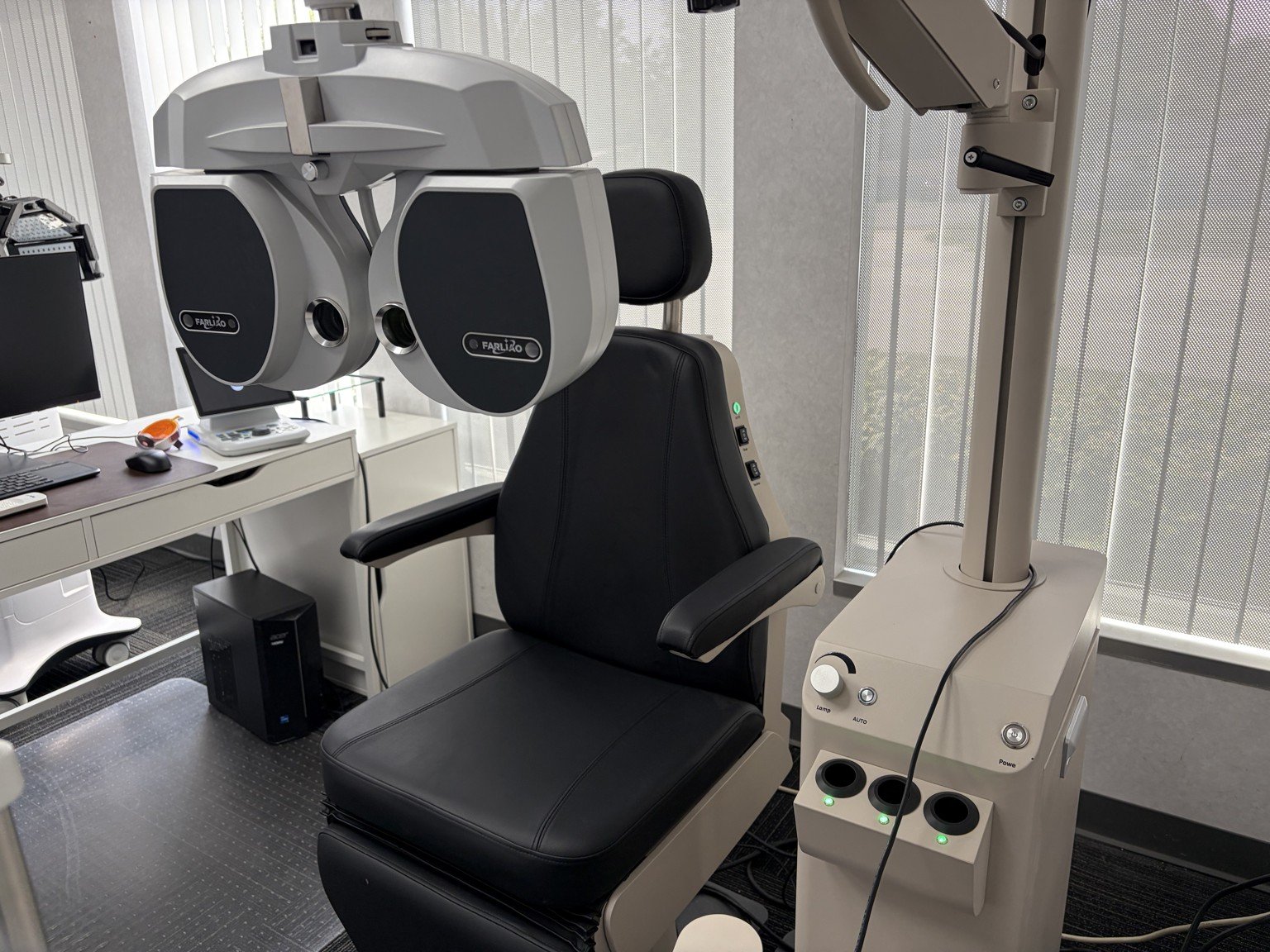
Why Are My Eyes Watery? The Dry Eye Paradox
Watery eyes can actually be a sign of dry eye. Learn the surprising reason your eyes overflow when they're dry — and what actually helps.

What Causes Dry Eye? Common Triggers Explained
Dry eye has many causes — from screens and aging to medications and medical conditions. Learn the common triggers and what you can do about them.

Dry Eye Treatment Cost: IPL, RF & Real Factors | MCL
Dry eye treatment cost depends on your root cause, modality (IPL, RF, LLLT) & sessions needed.
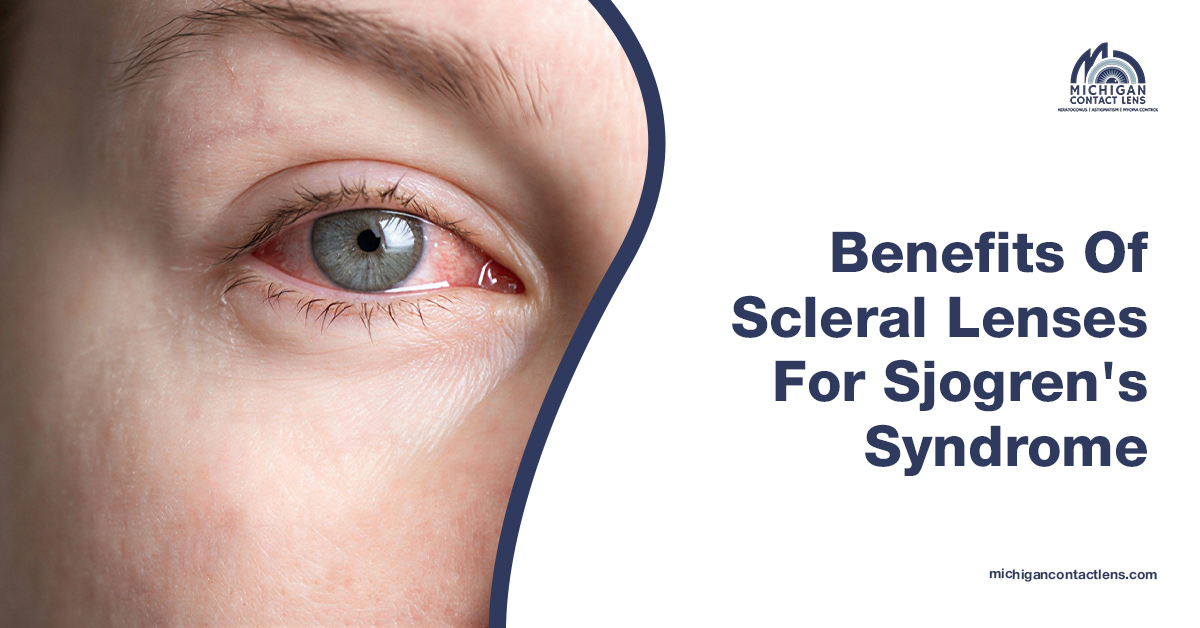
Benefits Of Scleral Lenses For Sjogren's Syndrome
Scleral Lenses for Sjogren's Syndrome offer lasting comfort where eye drops fail. Learn how they work and the fitting process in 2026 for dry eye relief

Choose LLLT For Dry Eyes To Fix Dryness That Drops Cannot
Struggling with chronic eye discomfort? LLLT for dry eyes targets oil gland issues and restores tear balance for long-lasting relief beyond drops.
Ready to see clearly again?
Michigan Contact Lens fits scleral and specialty lenses for keratoconus, irregular corneas, corneal transplants, and severe dry eye.