
What Causes Dry Eye? Common Triggers Explained
Dry eye is one of the most common reasons people see an eye doctor, and it can stem from a surprising range of causes. Understanding what’s behind your symptoms is the first step to lasting relief. Here are the most common triggers.
First, what is dry eye?
Dry eye happens when your eyes don’t make enough tears, or the tears they make are poor quality and evaporate too quickly. Broadly, there are two types: not enough tear volume (aqueous-deficient) and tears that evaporate too fast (evaporative), the latter usually tied to the oil glands in your eyelids. Many people have a mix of both.
Screens and reduced blinking
Staring at screens cuts your blink rate dramatically, letting the tear film dry out. This is one of the most common modern triggers — see dry eye and screen use for practical fixes.
Age and hormonal changes
Tear production tends to decrease with age, and hormonal shifts (including menopause) can make dry eye more likely, which is why it becomes more common in midlife and beyond.
Environment
Wind, dry climates, air conditioning, heating, and even ceiling fans all speed up tear evaporation. Many people notice their eyes feel worse in winter or in air-conditioned offices.
Contact lens wear
Contact lenses can contribute to dryness for some wearers. If your lenses feel dry or uncomfortable, it’s worth evaluating — see can I wear contact lenses with dry eye syndrome?
Medications
A number of common medications — including some antihistamines, antidepressants, and blood pressure drugs — list dry eye as a side effect by reducing tear production.
Meibomian gland dysfunction
The tiny oil glands along your eyelid margins keep tears from evaporating. When they get blocked or dysfunctional, the tear film breaks down quickly — a leading cause of evaporative dry eye.
Medical conditions
Autoimmune and systemic conditions, including Sjögren’s syndrome, are strongly linked to dry eye. For these cases, specialty options like scleral lenses can be life-changing — see scleral lenses for Sjögren’s syndrome.
Why it matters
Beyond discomfort, dry eye can blur and fluctuate your vision — see how dry eyes cause blurry vision. Because the causes vary so much, getting an accurate diagnosis is what makes treatment effective.
Not sure what’s causing your dry eye?
For specialized dry eye diagnosis and treatment, our sister practice 1-800 Dry Eyes focuses exclusively on dry eye disease. You can also reach Michigan Contact Lens in Southfield for the contact-lens side of your care.
Visit 1-800 Dry Eyes or call (248) 545-2800
Related reading

When To See A Dry Eye Specialist (and What To Expect)
Drops not working? Learn the signs it's time to see a dry eye specialist, what a dry eye evaluation involves, and the advanced treatments available.

Dry Eye And Screen Use: Tips For Computer Users
Screens are a leading cause of dry eye. Learn why computer use dries your eyes and practical tips — the 20-20-20 rule, blinking, and workspace fixes.
Why Are My Eyes Watery? The Dry Eye Paradox
Watery eyes can actually be a sign of dry eye. Learn the surprising reason your eyes overflow when they're dry — and what actually helps.

Dry Eye Treatment Cost: IPL, RF & Real Factors | MCL
Dry eye treatment cost depends on your root cause, modality (IPL, RF, LLLT) & sessions needed.
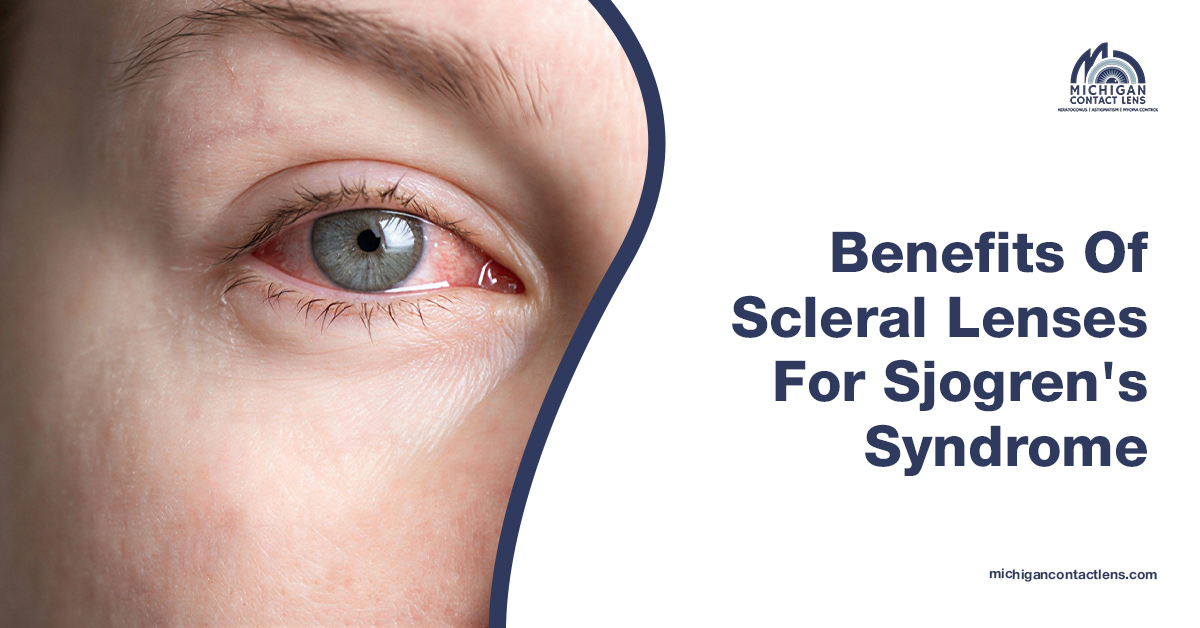
Benefits Of Scleral Lenses For Sjogren's Syndrome
Scleral Lenses for Sjogren's Syndrome offer lasting comfort where eye drops fail. Learn how they work and the fitting process in 2026 for dry eye relief
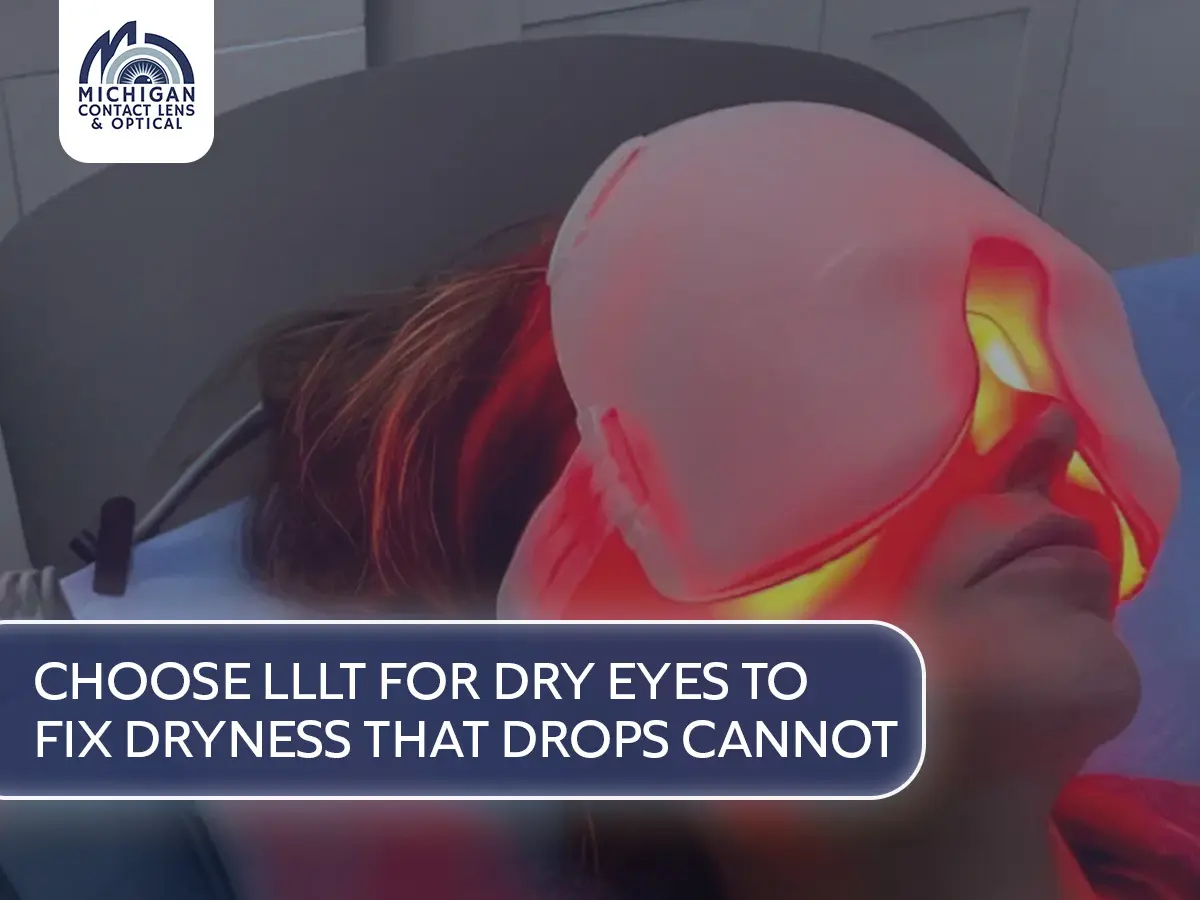
Choose LLLT For Dry Eyes To Fix Dryness That Drops Cannot
Struggling with chronic eye discomfort? LLLT for dry eyes targets oil gland issues and restores tear balance for long-lasting relief beyond drops.
Ready to see clearly again?
Michigan Contact Lens fits scleral and specialty lenses for keratoconus, irregular corneas, corneal transplants, and severe dry eye.