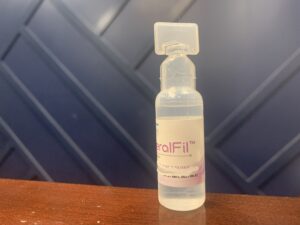
If you have advanced keratoconus, you already know how hard it is to find contact lenses that actually feel comfortable and help you see clearly. Most lenses move around, hurt your eyes, or blur your vision.
That’s why many eye doctors recommend scleral lenses. They are designed differently and give amazing comfort, clear vision, and eye protection, all in one.
What is Advanced Keratoconus?
Advanced keratoconus is a severe form of corneal disease where the cornea weakens, causing a conical shape. As the condition progresses, vision becomes more blurred, and glasses or regular contacts no longer offer the necessary correction. Scleral lenses are a proven solution for improving vision, providing comfort, and reducing the need for surgery. Michigan Contact Lens specializes in fitting scleral lenses for keratoconus patients to restore clear vision and reduce symptoms.
Symptoms of Advanced Keratoconus
Blurry or Distorted Vision
- What it feels like: One of the earliest signs of keratoconus is blurry vision, which worsens over time. As the condition progresses, the vision becomes increasingly distorted and difficult to correct with glasses or standard contact lenses.
- How to recognize: If your vision starts to blur or distort at certain distances, and glasses or regular contacts no longer help, it could be a sign that keratoconus is progressing.
Sensitivity to Light (Photophobia)
- What it feels like: Many keratoconus patients experience an increased sensitivity to light, making it uncomfortable to be outdoors, especially in bright sunlight or artificial lighting.
- How to recognize: If you’re feeling more sensitive to light than usual or experiencing discomfort when exposed to it, this could be an indication of advanced keratoconus.
Halos or Glare Around Lights
- What it feels like: One of the common symptoms of keratoconus is seeing halos or glare around lights, especially at night. This is due to the irregular shape of the cornea, which scatters light and makes it difficult to focus properly.
- How to recognize: If you see halos around headlights while driving or streetlights at night, it may be time to visit a doctor to check for keratoconus.
Frequent Prescription Changes
- What it feels like: People with keratoconus often find their prescription changing frequently. Glasses or contact lenses that once worked may become ineffective as the shape of the cornea changes.
- How to recognize: If you need new prescriptions for your glasses or contacts much more frequently than before, it’s a sign that your vision might not be improving, and you may be dealing with keratoconus.
Double Vision
- What it feels like: Double vision can occur as keratoconus progresses. This happens because of the irregular corneal surface, causing light to enter the eye in multiple directions.
- How to recognize: If you start experiencing double vision, particularly with one eye open, this is an urgent symptom that requires immediate attention from an eye doctor.
Eye Irritation or Redness
- What it feels like: As keratoconus causes the cornea to become more irregular, it can lead to increased eye irritation and redness.
- How to recognize: Dryness, itchiness, or constant irritation in the eyes that doesn’t seem to improve could be a symptom of keratoconus worsening.
Sudden Vision Decline
- What it feels like: In some cases, keratoconus can cause a rapid decline in vision. This is due to the weakening of the corneal tissue, which can lead to further changes in its shape.
- How to recognize: If you notice a sudden loss of vision or your glasses no longer work effectively, it’s critical to see an eye care professional immediately.
When to Visit the Doctor?
Don’t wait until symptoms worsen. Early intervention, such as fitting scleral lenses or undergoing corneal cross-linking, can help preserve your vision and prevent further damage to the cornea.
If you experience blurry vision, halos, frequent prescription changes, or eye irritation that doesn’t improve with typical eyewear, it’s time to see an eye doctor.
What Are Scleral Lenses?
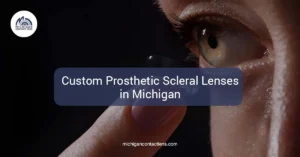
Scleral lenses are special hard contact lenses that cover your entire cornea (the clear front part of your eye) and rest on the white part of your eye, called the sclera.
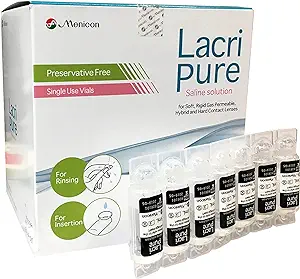
Between the lens and your eye, there’s a thin layer of saline solution. This fluid layer keeps your eyes moist and comfortable all day. It also smooths out the uneven shape of the cornea, which helps you see more clearly.
For people with advanced keratoconus, where the cornea becomes very irregular, scleral lenses work better than regular soft or rigid contact lenses.
Why Scleral Lenses Work Best for Advanced Keratoconus
Scleral lenses offer a unique design that provides enhanced comfort for patients with irregular corneas, such as those suffering from advanced keratoconus. Unlike traditional contact lenses, scleral lenses do not touch the cornea directly, which helps avoid irritation and friction.
By creating a smooth surface over the cornea, these lenses provide a more stable and clearer vision throughout the day. Patients can wear them longer without discomfort, making them an ideal choice for managing advanced keratoconus.
They Feel Comfortable All Day
Because they do not rub against your cornea, there’s less risk of scratches or damage, too.
They Stay in Place and Give a Clear Vision
If your cornea is uneven, normal lenses may move or fall out. Scleral lenses are larger (14–22mm) and stay centred on your eye all day. This size helps them stay steady, even if you play sports, move around a lot, or have severe keratoconus.
You will get a clear, stable vision from morning until night, no more blurry or shifting focus.
They Last Longer
Scleral lenses are made from strong, high-quality materials. With proper care, one pair can last for 1–3 years.
They might cost more at first, but they’re actually cheaper in the long run because you don’t have to replace them often.
They Improve Overall Vision
The large size of scleral lenses covers more of your eye, giving you better side (peripheral) vision and less glare from lights. They can also fix astigmatism and other strong vision problems. This means you can see clearly, even if your cornea is very irregular.
Custom Fit for Your Eyes
Every person’s eyes are different, especially with keratoconus. That is why scleral lenses are custom-made to fit your eye shape perfectly.
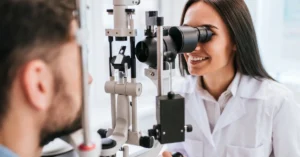
Michigan Contact Lens’s eye doctors use special tools to map your cornea and design lenses that match your eyes exactly. This makes your lenses feel natural, safe, and super clear.
Should You Try Scleral Lenses?
If you are tired of blurry, uncomfortable lenses and have advanced keratoconus, scleral lenses could be the best solution for you. They help you see clearly, protect your cornea, and feel great to wear.
Always visit an eye doctor who specializes in scleral lenses. They’ll make sure your lenses fit right and are safe for your eyes.
Points to Remember
- Scleral lenses sit on the white part of your eye, not on the cornea.
- They keep your eyes moist and comfortable all day.
- They are perfect for advanced keratoconus and provide stable, clear vision.
- They last for years with good care.
- They must be custom-fitted by an eye doctor.
Scleral Lens Fitting Process for Keratoconus
The fitting process for scleral lenses for keratoconus is highly customized. We use advanced techniques like corneal topography to precisely measure the curvature of your eye. This ensures that the scleral lenses are tailored to your unique corneal shape. The fitting process typically involves several visits to refine the lens design and ensure the most comfortable and effective fit. This tailored approach ensures that you receive the best possible vision correction and comfort
Book Your Appointment
Michigan Contact Lens helps people with advanced keratoconus get clear and comfortable vision using custom-fitted scleral lenses.
Book your appointment today and discover how scleral lenses can change the way you see the world!
Final Thoughts
Scleral lenses for advanced keratoconus are a simple, powerful way to get clear vision, protect your eyes, and feel comfortable all day. If you want to see better and live without blurry vision, talk to your eye doctor about scleral lenses today.
Frequently Asked Question
Are scleral lenses safe?
Yes! They are safe when fitted by a trained eye doctor and are great for protecting your cornea.
Can I wear them all day?
Yes. Most people wear them for 12–16 hours comfortably.
Do they help with light sensitivity?
Yes. They reduce glare and make it easier to see in bright light.
How long do scleral lenses last?
Usually 1–3 years with proper cleaning and care.
Can I wear them after eye surgery?
Yes. Many people wear them after corneal surgery or transplants to improve vision and comfort.