Keratoconus & irregular corneas
A cone-shaped or scarred cornea, a transplant, or vision glasses no longer sharpen.
Michigan Contact Lens
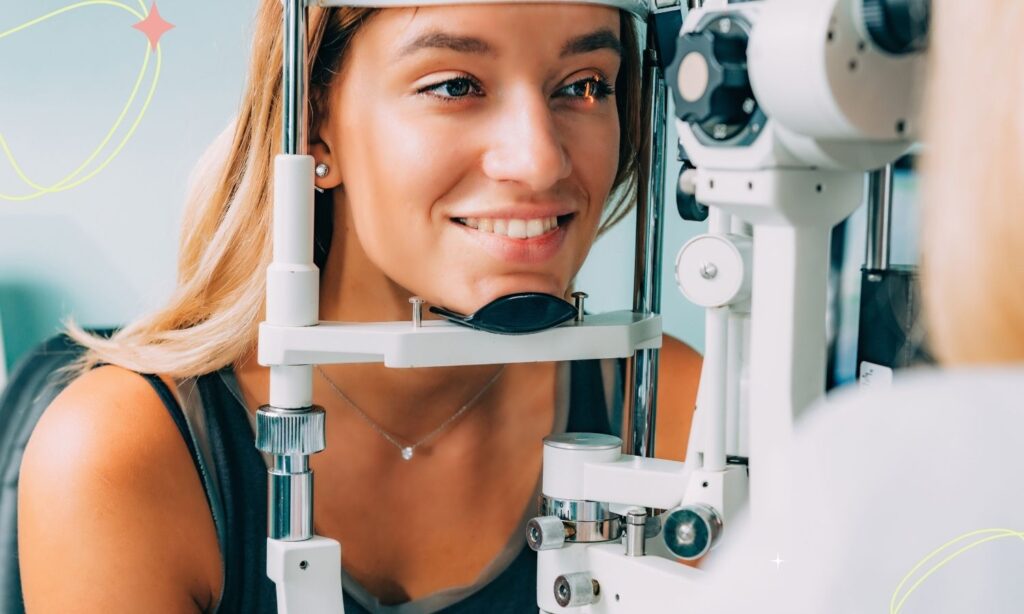
Start with what's actually going on. Each path opens into the full guide.
A cone-shaped or scarred cornea, a transplant, or vision glasses no longer sharpen.
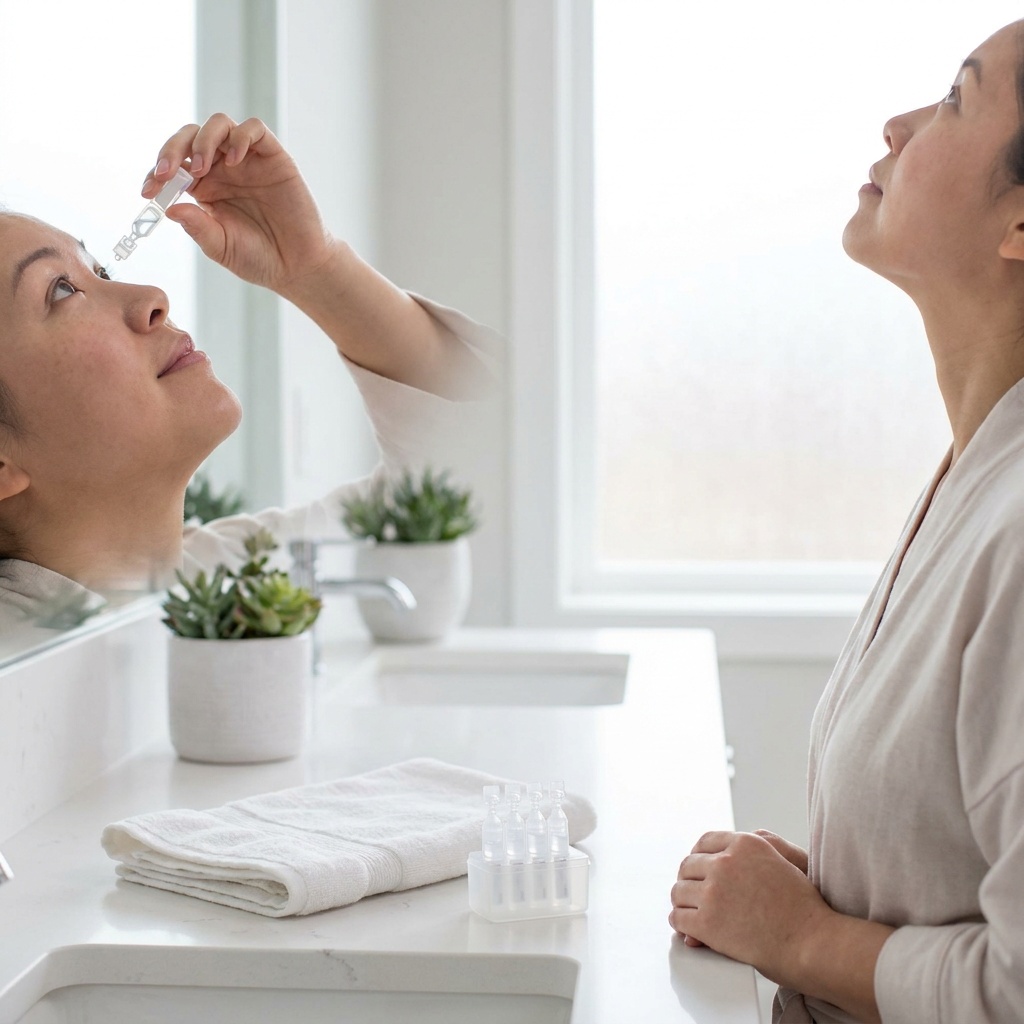
Burning, grittiness and vision that fluctuates through the day — including Sjögren’s and graft-vs-host disease.
Myopia control with Ortho-K, MiSight or atropine, before it progresses further.
Not sure which applies? Answer five questions and see what a consultation would cover, or browse every condition we treat.
It's time to leave behind the vision challenges you have been facing for so long — whether that's keratoconus, dry eye disease, irregular astigmatism, or a prescription that keeps climbing.
Our custom-designed scleral contact lenses provide advanced vision correction for patients with keratoconus, severe dry eye disease, and corneal irregularities. These specialty contact lenses rest comfortably on the sclera (white of the eye), creating a therapeutic fluid reservoir that continuously hydrates the cornea throughout the day. Scleral lenses offer superior comfort and visual clarity compared to traditional contact lenses, making them ideal for individuals with post-refractive surgery complications, corneal scarring, or chronic eye irritation. Each scleral lens is precisely custom-fitted to your unique eye anatomy, delivering stable vision correction and long-lasting dry eye relief that standard contacts cannot achieve.
Our advanced Profilometry-designed scleral lenses use Eaglet Eye technology to create a precise 3D map of your eye, ensuring a perfect fit. They are mainly used to correct keratoconus, irregular corneas, and severe dry eye syndrome. These lenses provide clear, stable vision and excellent comfort, especially for patients who struggle with traditional lenses. Suitable for all age groups, they are particularly effective for those with complex eye conditions, offering a customized solution for better vision correction
Rigid gas permeable lenses are often recommended when soft lenses do not provide stable or clear vision. These RGP lenses allow more oxygen to reach the cornea, helping maintain better eye health. They are commonly used to correct astigmatism, presbyopia, and higher prescriptions. Gas permeable lenses ensure consistent vision throughout the day with minimal distortion. With proper care, these lenses provide reliable long-term performance. They are an excellent choice for those seeking durable and effective vision correction.
Ortho-K is a non-surgical treatment that uses specially designed gas permeable lenses to gently reshape your cornea while you sleep. This allows you to wake up with clear vision throughout the day, without the need for glasses or contact lenses. It is primarily used to correct myopia (nearsightedness) and can also help with astigmatism. Ortho-K is suitable for adults who want to avoid surgery, and it is also highly effective for children. For kids, it helps slow down the progression of nearsightedness during important developmental years. Ortho-K lenses are safe, reversible, and can provide great results when fitted properly. The treatment is ideal for those seeking clear, glasses-free vision without the need for daily contact lenses.
Our custom soft contact lenses are designed to fit your unique prescription and eye measurements. These lenses provide a comfortable solution for individuals with keratoconus, high astigmatism, or irregular eye shapes that standard lenses can't address. We create soft lenses with a custom diameter to ensure a perfect fit. Ideal for those with hard-to-fit prescriptions, they combine the comfort of traditional soft lenses with the precision needed for optimal vision correction and all-day wear.
When you are looking for comfort, soft contact lenses are a great choice. They are made from flexible, breathable materials that mold to the shape of your eye, providing instant comfort without a long adjustment period. Unlike rigid lenses, they don’t irritate, making them ideal for all-day wear. If you have a simple prescription, daily disposable lenses are perfect; they are fresh every day, no cleaning required. If you need something for longer use, bi-weekly or monthly replacement lenses combine comfort and cost-effectiveness. For astigmatism, soft toric lenses will keep your vision stable throughout the day. If you’re over 40 and struggling with presbyopia, multifocal lenses offer clear vision at all distances, so you don’t need reading glasses. We also have custom soft lenses for more complex prescriptions or special needs. During your eye exam, we’ll assess your vision and lifestyle to recommend the best soft contact lenses for your needs
Our specialized contact lenses for astigmatism correct your vision based on your needs. For mild cases, soft toric lenses offer comfort and reliable vision. For higher astigmatism, high-astigmatism soft lenses provide sharp and more stable vision. If you have severe astigmatism, Rigid gas-permeable (RGP) lenses offer clear vision. For irregular corneas, scleral lenses provide clear, stable vision by covering the entire cornea. We will examine your specific astigmatism type and degree to recommend the ideal lens option for your lifestyle and visual needs.
Our multifocal contact lenses offer clear vision at all distances. They are a great alternative to reading glasses for people with presbyopia. These lenses have multiple zones to help you see up close, at mid-range, and far away without switching glasses. Multifocal lenses are perfect for adults over 40 who want the flexibility of contact lenses. We offer soft multifocal lenses for comfort, gas permeable lenses for clearer vision, and hybrid options for those with astigmatism or irregular corneas. Our fitting process ensures your lenses are perfect for your needs, whether you're working on a computer, reading, or enjoying outdoor activities.
Our myopia control programs help slow the progression of nearsightedness in children. Options include low-dose atropine eye drops, MiSight contact lenses, Ortho-K lenses, and myopia control glasses. Early intervention can protect long-term eye health and reduce the need for high prescriptions.
We offer advanced dry eye treatments to relieve discomfort and irritation. Our personalized treatment plans use IPL therapy to reduce inflammation, RF treatment to stimulate tear production, and LLLT to promote healing. These non-invasive therapies address the root causes of dry eye for long-lasting relief and restored comfort.
Our prism eyewear solutions provide relief from double vision, eye strain, headaches, and balance issues caused by binocular vision dysfunction. We specialize in complex cases, including high prism prescriptions and post-stroke vision complications. Our evaluations and precision prescriptions can improve visual comfort and quality of life, especially when standard glasses don't help.
Our optical boutique offers over 1,000 frames in various styles, brands, and price ranges. We provide expert frame styling, precise fitting, and same-day service for many prescriptions. Choose from premium lens options like anti-reflective coatings, blue light protection, and progressive lenses for optimal comfort and vision.
Why people travel here
While most practices stick to standard eye exams and off-the-shelf solutions, we specialize in the complex cases that require advanced technology, specialized expertise, and truly personalized care. Led by Dr. Shira Kresch, who worked at Columbia University and the prestigious Kresge Eye Institute, our practice brings academic-level expertise to every patient.
How the exam runs
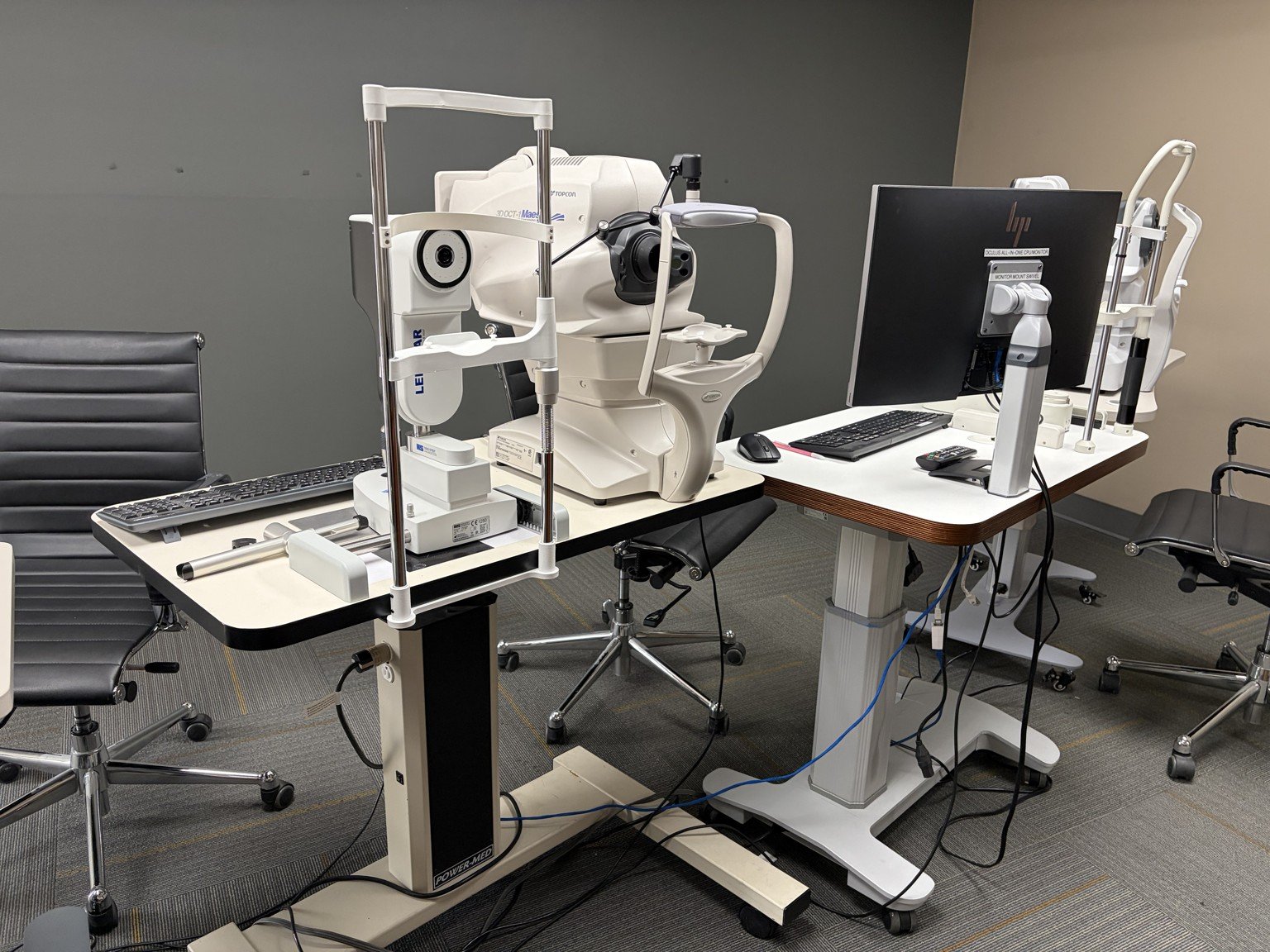
Your eyes are unique, and your exam should be too. We don't rush through cookie-cutter appointments or treat every patient the same. Instead, we take the time to understand your specific vision concerns, lifestyle demands, and health history to create a comprehensive evaluation designed around you — from advanced corneal mapping to detailed dry eye analysis and binocular vision testing for unexplained symptoms.
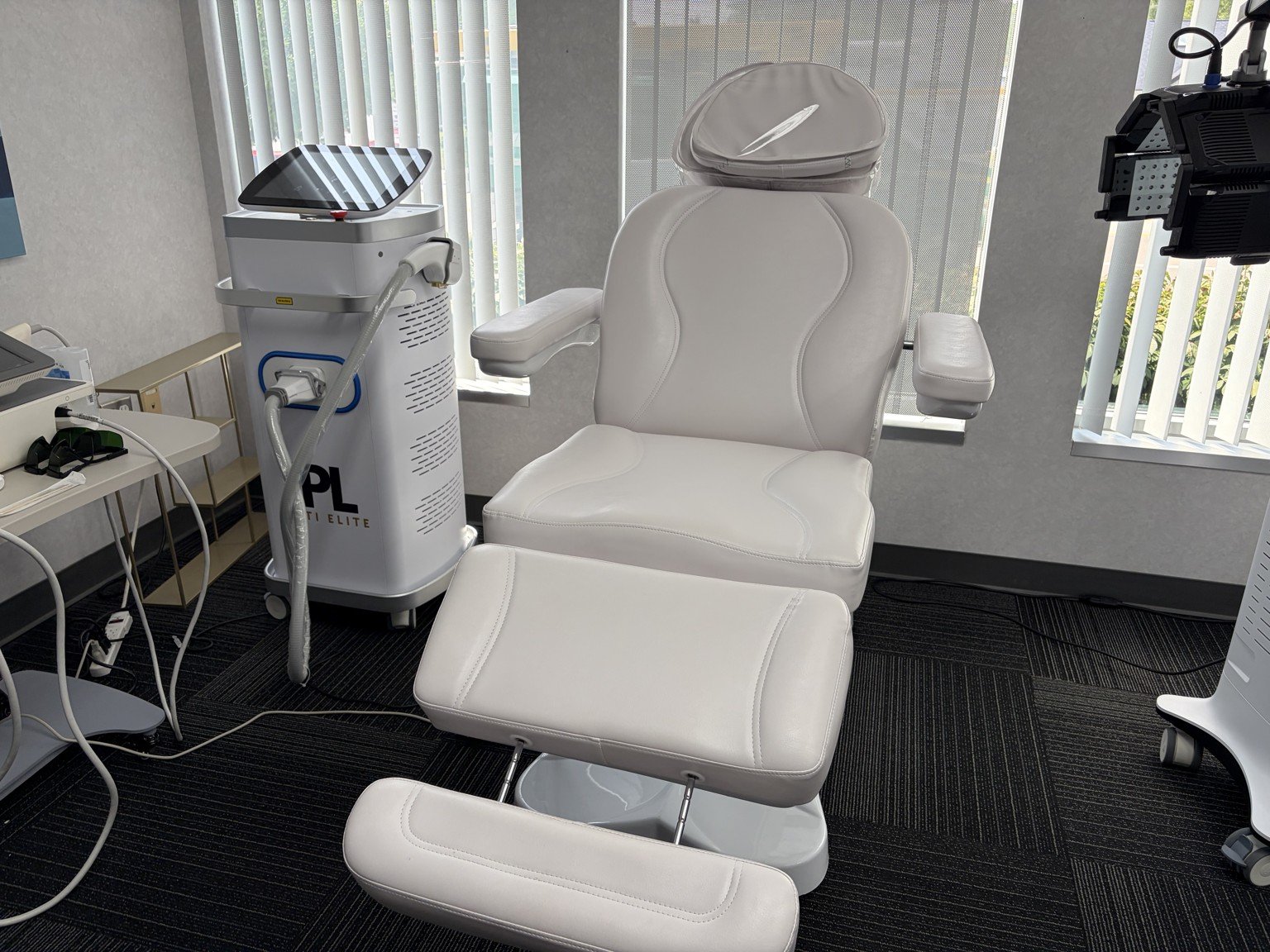
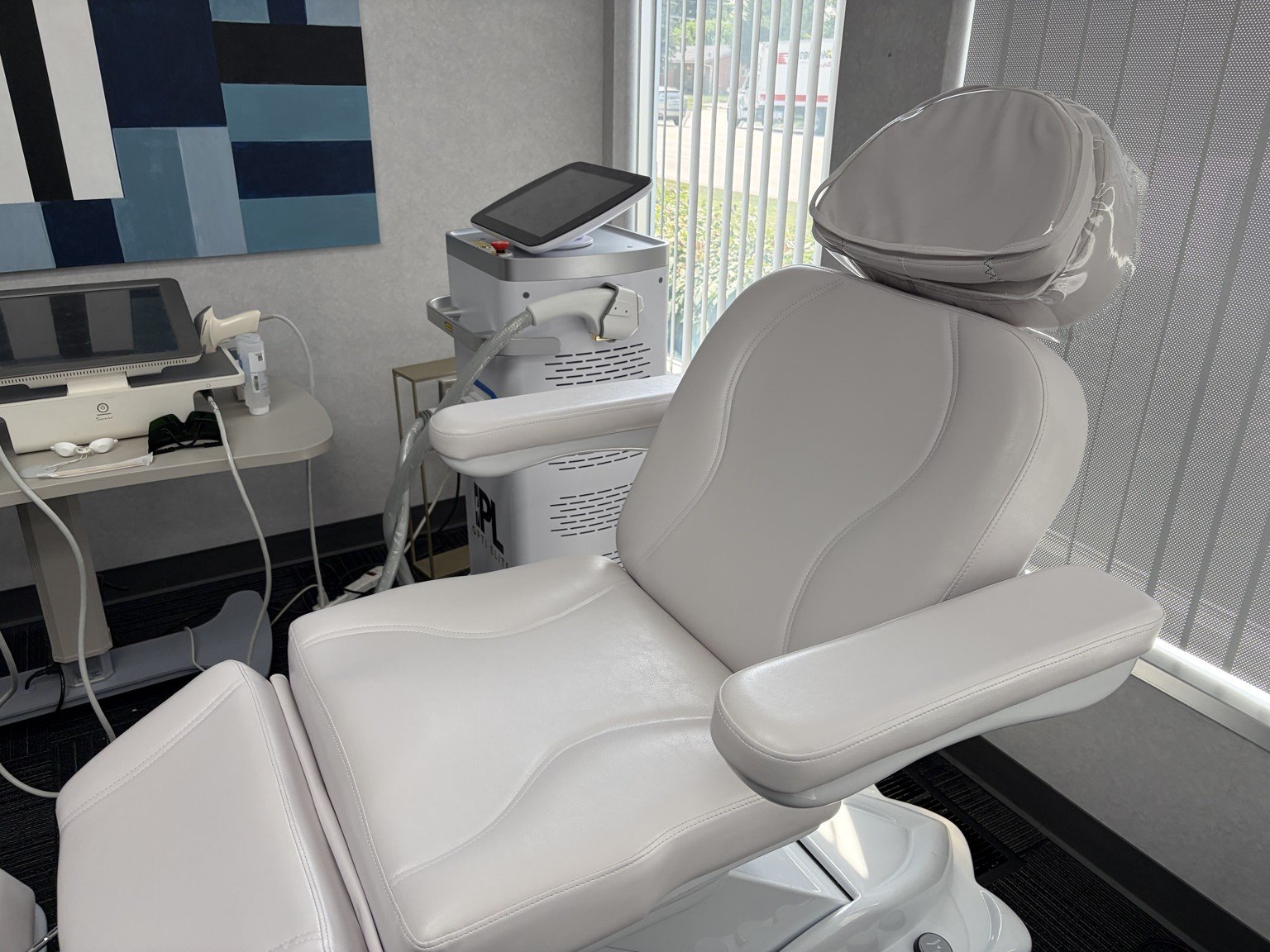
Southfield, Michigan
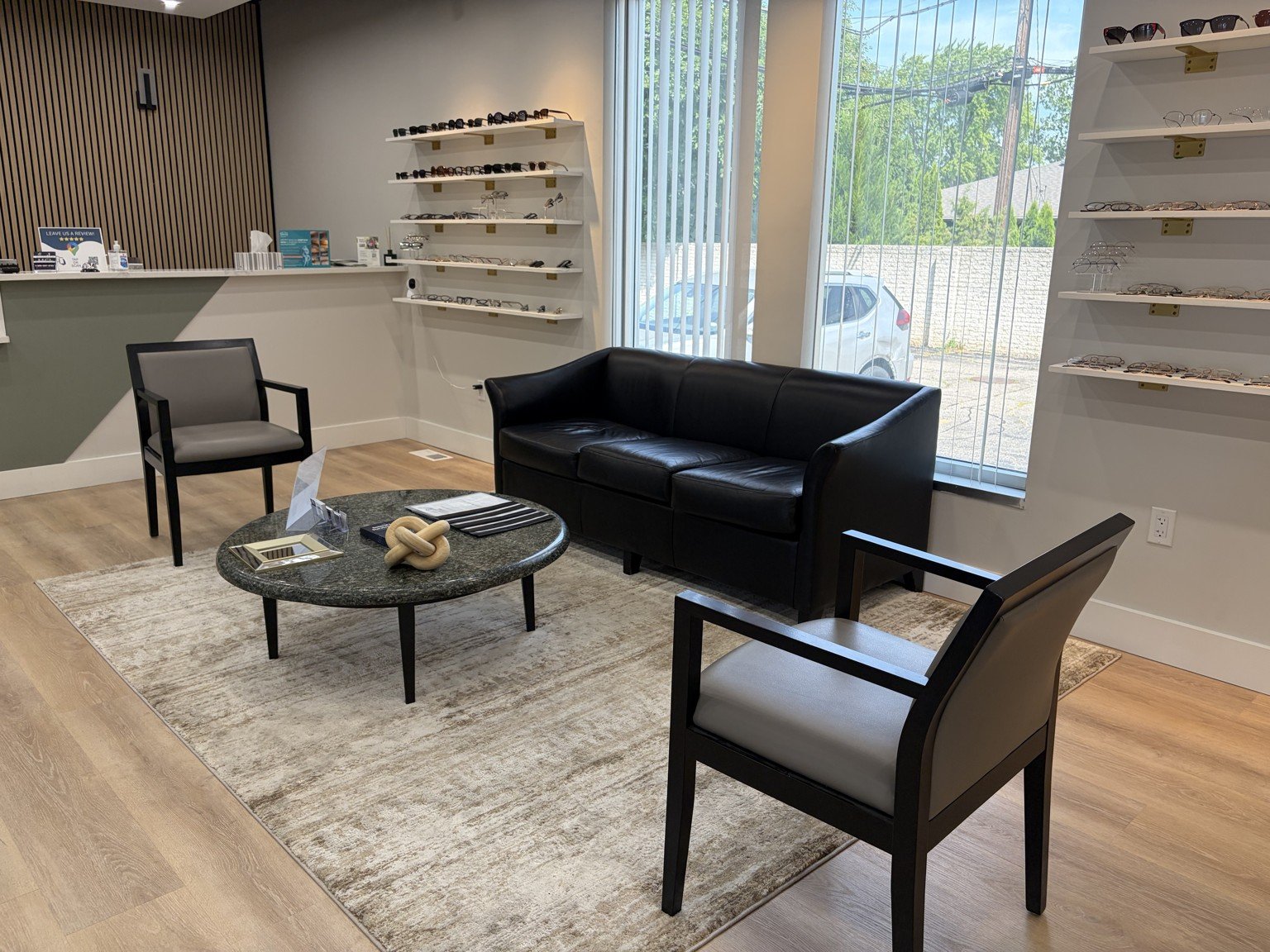
Where you wait
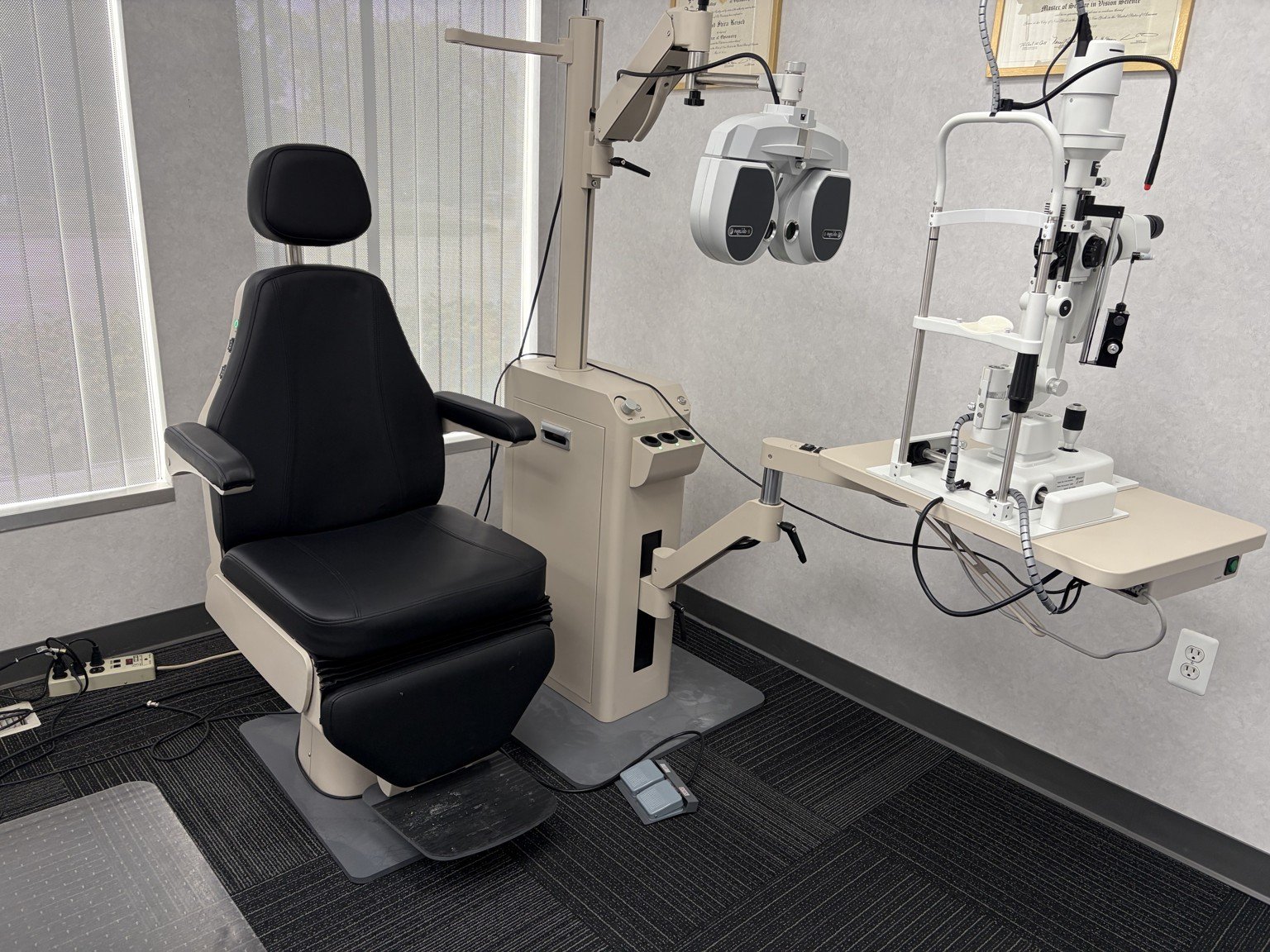
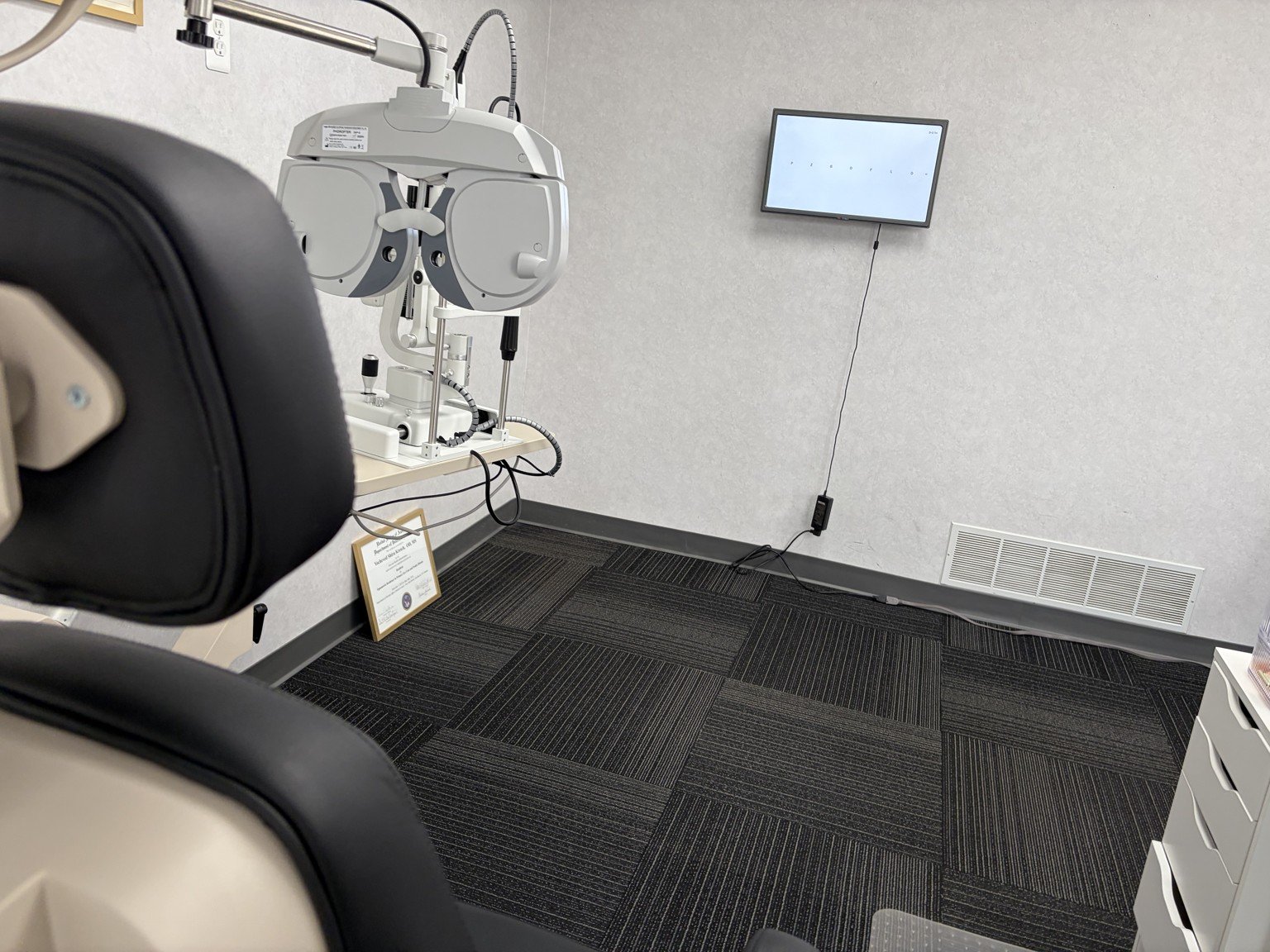
Where we examine
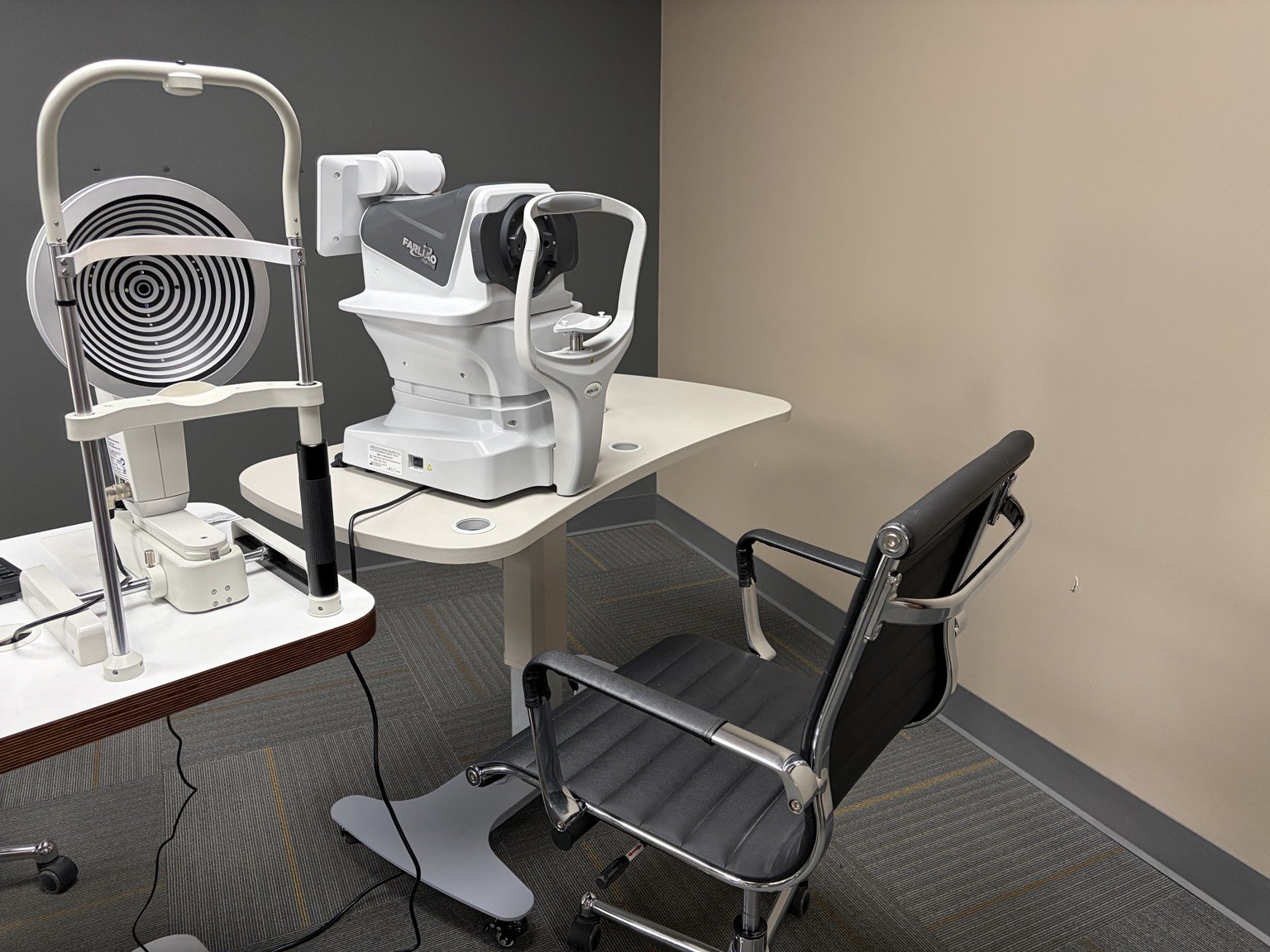
Where we map your cornea
The Specialty Fit Promise
Most people arrive here after being told nothing more can be done. Complex corneas, post-transplant eyes, severe dry eye and lens intolerance are exactly what this practice is for — and the terms below apply to scleral and specialty contact lens fittings.
A full 60–90 minutes with a specialty lens expert — examination, diagnostic imaging and measurements included. No referral needed. This applies to scleral and specialty contact lens consultations; routine eye exams and other services are billed normally.
We use Eaglet Eye profilometry to map your ocular surface, then design to that map. Not a trial lens and a best guess.
One global fee covers the exam, the imaging, your custom lenses and every visit needed to perfect the fit — plan on at least three, at no additional cost.
If we cannot achieve a comfortable, effective scleral lens fit, you are protected. It is why patients travel from across Metro Detroit to see us.
We are out-of-network by choice, so appointments run on what your eyes need rather than what a plan allows. You get a detailed superbill to submit for reimbursement, and we accept HSA/FSA and CareCredit alongside in-house payment plans.
Out-of-network by choice — how payment and reimbursement work, including HSA/FSA, CareCredit and the superbill.
Every fitting is performed by Dr. Shira Kresch, OD, MS, FAAO — optometrist, Southfield, Michigan. Looking for a routine eye exam instead? We do those too, billed in the usual way.
Michigan Contact Lens is literally a sight for sore eyes. Great service, knowledgeable staff and an unique selection of the finest frames to choose from— I was even able to get my prescription and glasses same day! I have been wearing hard contacts for over 10 years— believing I couldn’t wear glasses to correct, Dr. Y. Shira was able to give my eyes a rest!! And staff helped me pick out the perfect pair of Cazal glasses!!
I had an amazing experience at Michigan Contact Lens. I originally went in for glasses, but during my exam, Dr. Kresch noticed my eyes were extremely dry—something I’d just been putting up with for ages. She recommended IPL (Intense Pulsed Light) treatment, and honestly, I was a little skeptical at first. But after a few sessions, my eyes felt SO much better! I can’t believe the difference. The staff was friendly, knowledgeable, and really took their time to explain everything.
I have never had such an extensive contact lens eye exam! It was fascinating the different machines Dr Kresch used. Not only is she through she also spends the time to explain things to make sure you get the perfect contact fit for your eyes. I honestly can’t recommend her highly enough!
I had a cornea transplant and thought I would have to accept less than great sight in that eye. Not so. Dr. Kresch fitted me with a scleral contact and the sight and comfort are wonderful.
Verified patients of Michigan Contact Lens. Leave a review on Google
Who you'll see
A Fellow of the American Academy of Optometry practising in Southfield, Dr. Kresch designs specialty lenses for corneas that standard fittings can't correct — and co-manages care with corneal surgeons across Michigan. No referral is needed to book.
About Dr. Kresch For referring doctors The technology we fit with
We’re an out-of-network specialty practice, which lets us spend the time complex cases require instead of what insurance allows. We provide a detailed superbill you can submit to your insurer for reimbursement, and we accept HSA/FSA, CareCredit, and offer flexible in-house payment plans. See our Insurance & Payment Options page for the full picture, including our Medicaid need-based program.
Yes — in most cases. Standard soft lenses often stop working as keratoconus progresses, but specialty lenses like sclerals are designed specifically for irregular corneas. Most of our keratoconus patients achieve clear, comfortable vision with a custom-fitted lens.
The initial fitting appointment typically takes about an hour. We use Eaglet Eye profilometry to create a precise 3D map of your eye, then design your lenses from that map. Most patients are in their final lenses within a few visits.
Every specialty fitting at Michigan Contact Lens is backed by our Risk-Free Fit Guarantee. If we can’t achieve a comfortable, effective fit, you’re protected — that’s why patients travel from across Metro Detroit and beyond to see us.
Yes. Complex corneas, post-transplant eyes, severe dry eye, and contact lens intolerance are exactly what we specialize in. Many of our patients arrived after being told to “just live with it” — and left seeing clearly.
No referral needed — you can book directly. We also work closely with referring optometrists and ophthalmologists across Michigan and co-manage care with corneal surgeons when needed.
At Michigan Contact Lens — we specialize in keratoconus, severe dry eye disease, irregular astigmatism, post-surgical corneas, corneal scarring, contact lens intolerance, and childhood myopia progression, plus full-service optical and comprehensive eye exams.
We’re at 17000 W 10 Mile Rd in Southfield, serving all of Metro Detroit — Royal Oak, Troy, Farmington Hills, Birmingham, Oak Park, and beyond. Call (248) 545-2800 or book your free specialty consultation online.
Drops not working? Learn the signs it's time to see a dry eye specialist, what a dry eye evaluation involves, and the advanced treatments available.
Screens are a leading cause of dry eye. Learn why computer use dries your eyes and practical tips — the 20-20-20 rule, blinking, and workspace fixes.
Watery eyes can actually be a sign of dry eye. Learn the surprising reason your eyes overflow when they're dry — and what actually helps.
Dry eye has many causes — from screens and aging to medications and medical conditions. Learn the common triggers and what you can do about them.
A clear comparison of myopia control options for children — Ortho-K, MiSight soft lenses, low-dose atropine, and specialty glasses — and how to choose.
Will a child outgrow nearsightedness? Usually not — but here's what really happens to myopia over time and what you can do to slow it down.