What is Keratoconus
Keratoconus is an eye condition that affects the cornea, leading to its thinning and bulging into a cone shape. This condition can cause significant visual impairment, including distorted vision and sensitivity to light, making it difficult for individuals to perform everyday activities. While glasses or traditional contact lenses do not effectively correct the vision of those with keratoconus, scleral lenses have emerged as a viable and successful option. This article aims to provide a comprehensive guide to help individuals choose scleral lenses for keratoconus, discussing various aspects such as their benefits, fitting process, and maintenance.
How Scleral Lenses Help with Vision Correction?
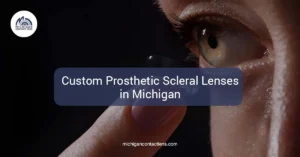
Scleral lenses are large-diameter contact lenses that rest on the white part of the eye, known as the sclera. Unlike traditional contact lenses that sit on the cornea, scleral lenses vault over the irregular corneal surface, creating a tear-filled chamber that acts as a protective layer while simultaneously providing a smooth optical surface. These lenses are made from highly oxygen-permeable materials, allowing the eyes to breathe and minimizing the risk of complications.
Benefits of Scleral Lenses for Keratoconus
- Improved Vision: Scleral lenses provide excellent visual acuity and contrast sensitivity for individuals with keratoconus. By creating a smooth optical surface, these lenses correct the irregular shape of the cornea, allowing light to focus accurately on the retina. Our contact lens clinic near Troy specializes in fitting scleral lenses for optimal vision correction.
- Comfort: Since scleral lenses do not touch the sensitive cornea, they tend to be more comfortable than traditional contact lenses. The tear-filled chamber acts as a cushion, reducing friction and irritation caused by blinking and eye movements.
- Stability: Due to their large size and stability on the sclera, scleral lenses are less likely to dislodge or fall out during activities such as sports or vigorous exercises.
- UV Protection: Many scleral lenses are designed to provide UV protection, shielding the eyes from harmful ultraviolet rays and preventing long-term damage.
Finding a Skilled Eye Care Professional:
The first step in choosing scleral lenses for keratoconus is finding an experienced eye care professional specializing in fitting these lenses. It is crucial to work with a professional who has expertise in managing keratoconus and understands the challenges associated with this condition. They should possess the necessary technology and skills to accurately measure and fit scleral lenses to ensure optimal vision and comfort.
The Fitting Process:
Fitting scleral lenses for keratoconus involves several steps to ensure the lenses are custom-made and tailored to the individual’s specific needs:
-
- Corneal Mapping: Using advanced technology such as corneal topography or ocular coherence tomography, the eye care professional maps the shape and irregularities of the cornea. This information is crucial in designing the lenses to achieve the best possible fit.
-
- Trial Lenses: Based on the corneal measurements, trial lenses are selected to evaluate their fit and comfort. These lenses are typically larger than the final scleral lenses to allow for adjustments based on the individual’s experience.
-
- Refinements: Through a trial and error process, the eye care professional fine-tunes the design of the lenses to ensure optimal vision, comfort, and stability. This may involve modifications in lens diameter, vault, and edge design.
-
- Comfort Evaluation: The individual wears the trial lenses for an extended period to assess comfort, stability, and visual acuity. Any discomfort or issues are discussed with the eye care professional to make necessary adjustments.
-
- Final Prescription and Order: Once the optimal design is determined, the final prescription is generated, and the scleral lenses are ordered from a specialized laboratory.
Caring for Scleral Lenses:
Proper maintenance and care are essential for ensuring the longevity and effectiveness of scleral lenses. Here are some important care guidelines:
-
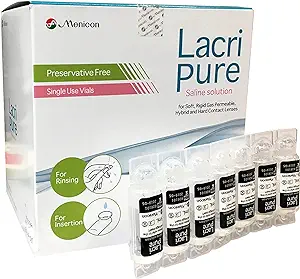
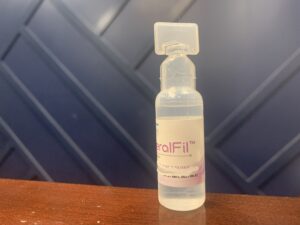
- Cleaning Solution: Use a preservative-free, unpreserved saline solution or a specialized cleaning solution recommended by the eye care professional to rinse and clean the lenses. Avoid using tap water, as it may contain harmful microorganisms.
-
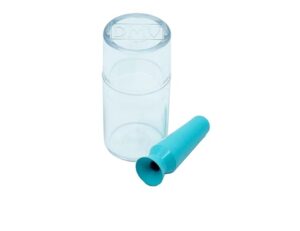
- Lens Insertion and Removal: Before handling the lenses, always wash your hands thoroughly with a mild, fragrance-free soap. Follow the recommended technique for inserting and removing the lenses, which may involve the use of a plunger or a suction cup.
-
- Cleaning Routine: Establish a regular cleaning routine, which typically involves rubbing and rinsing the lenses with the cleaning solution. Thoroughly clean all surfaces of the lens, including the vault, using a sterile cleaning pad or a soft brush specifically designed for scleral lenses.
-
- Lens Care Products: Use compatible care products, such as lubricating eye drops, rewetting drops, or preservative-free artificial tears, to maintain lens hydration and enhance comfort.
-
- Follow-up Visits: Regularly schedule follow-up visits with your eye care professional to monitor the health of your eyes and evaluate the fit and performance of the lenses. They may make necessary adjustments or suggest modifications to optimize your vision and comfort.
Conclusion:
Scleral lenses offer an effective solution for individuals with keratoconus, providing improved vision, comfort, and stability. By following the fitting process and caring for the lenses diligently, individuals can experience significant improvements in visual acuity and overall quality of life. Remember to consult with an experienced eye care professional to ensure personalized care and guidance throughout the journey of wearing scleral lenses.
Frequently Asked Questions
What are scleral lenses?
Scleral lenses are large, gas-permeable contact lenses that rest on the sclera (the white part of the eye) and vault over the cornea. They provide a smooth, stable surface for improved vision, especially for individuals with conditions like keratoconus
How do scleral lenses help with keratoconus?
Scleral lenses correct vision distortion caused by the irregular shape of the cornea in keratoconus. They provide hydration and a clear, stable optical surface, improving vision and comfort for those with keratoconus.
Are scleral lenses comfortable for keratoconus patients?
Yes, scleral lenses are generally more comfortable than traditional contact lenses because they don’t touch the cornea, instead resting on the sclera. They create a tear reservoir that provides hydration, reducing dryness and irritation.
How long can I wear scleral lenses for keratoconus?
Scleral lenses can be worn for up to 12-14 hours a day, depending on your comfort level and eye health. Regular follow-up visits with your eye care provider are important to ensure the lenses are fitting properly and maintaining eye health.
How do I clean and maintain my scleral lenses?
To maintain your scleral lenses, rinse them with a sterile saline solution before and after wear. Clean them thoroughly using a contact lens cleaning solution. Store them in fresh solution overnight to keep them hydrated and disinfected.
Can scleral lenses fix vision problems caused by keratoconus permanently?
While scleral lenses provide excellent vision correction and comfort for keratoconus, they are a non-surgical solution. They do not cure keratoconus but help manage the condition by improving vision and comfort.
How are scleral lenses fitted for keratoconus?
The fitting process involves corneal mapping to measure the shape of your cornea and determine the best lens design. A series of trial lenses are used to ensure a comfortable fit, followed by customization for optimal comfort and vision.