
What Does Keratoconus Vision Look Like? Ghosts, Halos & Starbursts
Keratoconus vision isn’t simple blur — it’s distortion. Letters grow faint ghost copies. A single streetlight becomes a starburst with a smeared tail. The moon multiplies. Edges that should be crisp look smeared in one direction, and no amount of squinting or new glasses quite fixes it. If that describes your nights, here’s what’s happening — and why it’s correctable.
The signature: ghosting and multiple images
A keratoconic cornea is warped into an irregular cone, so it focuses light to several points instead of one. The brain receives the true image plus faint, offset copies — ghosting, often worse in one eye. Text is where people notice first: a doubled edge on every letter that makes reading feel “off” even when the chart says 20/30.
Night vision: halos, starbursts, and streaking
Darkness makes everything worse because the pupil dilates, letting light through more of the distorted cornea. Headlights bloom into halos and comet-tailed starbursts; traffic signals smear; oncoming traffic becomes genuinely stressful. Night driving difficulty is one of the most common reasons keratoconus patients finally seek specialty care — and one of the first things that improves with proper correction.
Why glasses can’t fix it
Glasses correct regular focusing errors — a uniform adjustment across the whole lens. Keratoconus distortion isn’t uniform; every zone of the cornea is bending light differently. That’s why your prescription keeps changing without ever getting you to sharp. The fix has to replace the distorted surface itself: a scleral lens vaults over the cone and presents a perfectly smooth optical surface, with the saline reservoir filling in the irregularity underneath. For most patients, the ghosts, halos, and starbursts simply switch off — often in the first minutes of the diagnostic fitting.
If this sounds like your vision
Distorted vision deserves a corneal map, not another glasses update. Topography and profilometry reveal whether keratoconus is the cause and how far along it is — and if it’s progressing, cross-linking can stop it there. The encouraging truth: keratoconus very rarely leads to blindness, and the distorted vision you’re living with now is usually the most fixable part of the disease.
If the ghosts and starbursts in this article look familiar, get mapped. Dr. Shira Kresch evaluates and fits keratoconus patients from across Metro Detroit at our Southfield office — your first specialty consultation is free. Book online or call (248) 545-2800.
Frequently Asked Questions
- What does vision look like with keratoconus?
Ghosted or doubled letters, halos and comet-like starbursts around lights at night, smeared edges, and blur that new glasses never fully fix. Distortion — not simple blur — is the signature.
- Why is keratoconus vision worse at night?
In dim light the pupil dilates, letting light pass through more of the distorted cornea. More distorted surface in play means bigger halos, starbursts, and streaking around lights.
- Can keratoconus vision be corrected?
Yes — scleral lenses replace the distorted corneal surface with a smooth optical one, and most patients experience dramatically clearer, more stable vision, often noticeable during the first diagnostic fitting.
Related reading
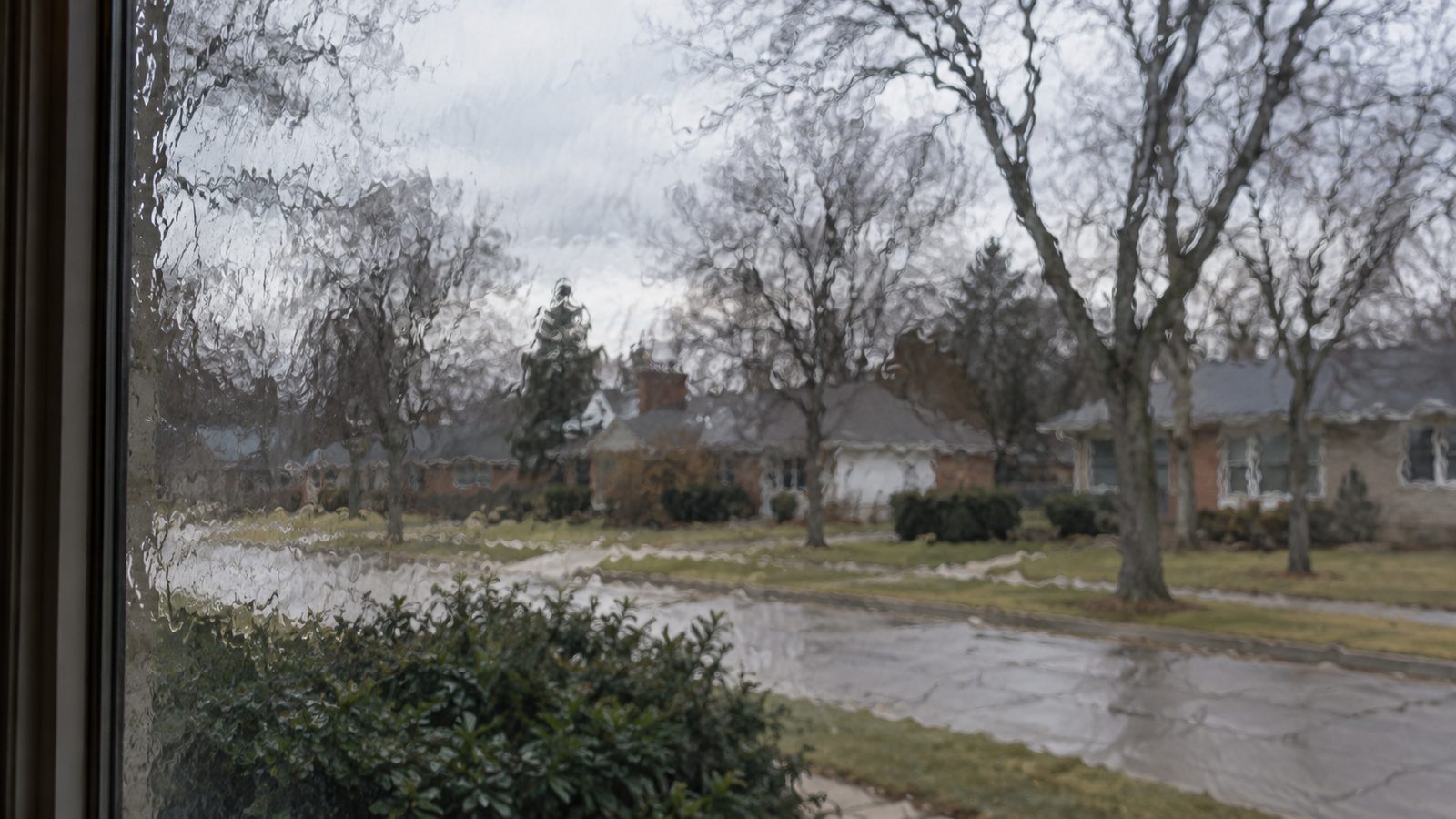
Can You Get LASIK With Keratoconus? | Michigan Contact Lens
LASIK is contraindicated in keratoconus — it removes tissue from a cornea already too thin. What that means, why screening matters, and what works instead.

When To Refer A Keratoconus Patient | Michigan Contact Lens
A practical guide for referring optometrists and ophthalmologists: the clinical triggers for specialty lens referral in keratoconus, and what you get back.

Can Keratoconus Cause Headaches? | Michigan Contact Lens
Keratoconus does not cause headaches directly, but the visual strain it produces often does. The mechanism, what helps, and the symptoms that need urgent care.

Eye Drops For Keratoconus: What They Can And Cannot Do
No eye drop treats keratoconus. What drops genuinely help with, why controlling an allergic itch matters more than most patients are told, and what to avoid.
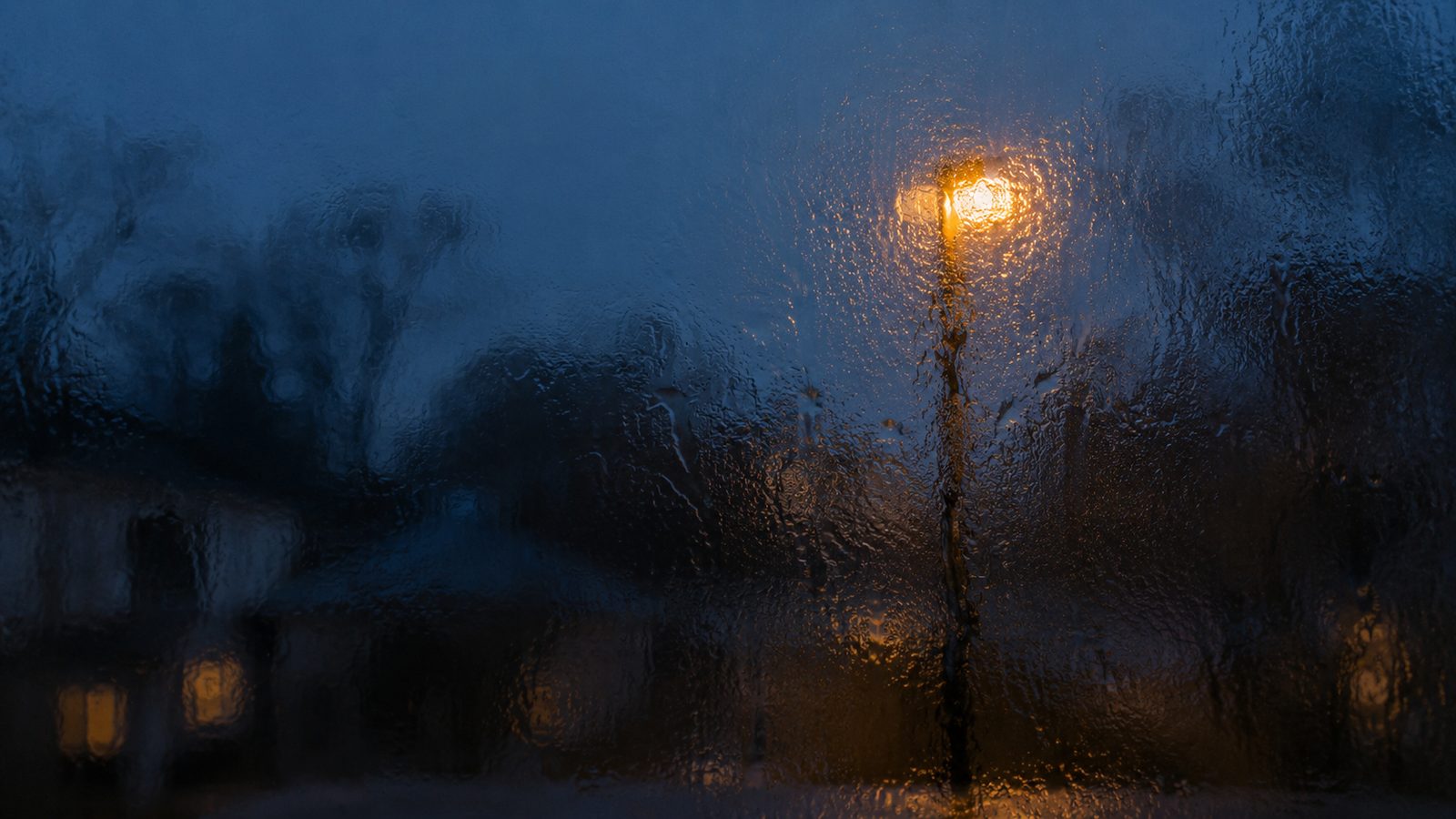
What Keratoconus Vision Looks Like | Michigan Contact Lens
Ghosting, streaking headlights, smeared text, a second faint image in one eye — what keratoconus vision actually looks like, and why it is hard to describe.

Keratoconus Specialist In Southfield & Metro Detroit
Looking for a keratoconus specialist near Detroit? Diagnosis, cross-linking coordination, and scleral lens fittings at Michigan Contact Lens in…
Ready to see clearly again?
Michigan Contact Lens fits scleral and specialty lenses for keratoconus, irregular corneas, corneal transplants, and severe dry eye.