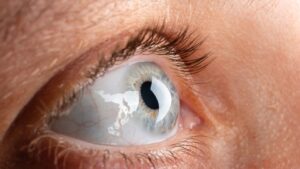
Keratoconus is a progressive eye condition where the cornea thins and bulges into a cone shape, causing distorted vision. Beyond visual clarity, it can impact daily activities, emotional health, and social life. Evaluating the vision-related quality of life in patients with keratoconus helps guide better treatment, personalized care, and ongoing support.
How Keratoconus Affects Daily Life
The irregular cornea in keratoconus causes blurred vision, glare, and sensitivity to light, making routine tasks like reading, driving, or recognizing faces challenging. These difficulties can lead to frustration, reduce independence, and affect confidence, especially in younger adults in their productive years.
Assessment of Vision-Related Quality of Life in Keratoconus Patients
Researchers assess V-QoL in keratoconus patients using tools such as the NEI-VFQ-25 questionnaire, which evaluates:
General vision refers to the overall clarity and sharpness of eyesight. For patients with keratoconus, the irregular shape of the cornea causes blurred or distorted vision, which affects how well they can see objects both near and far. Reduced general vision can make everyday tasks like reading, watching television, or recognizing faces more challenging, leading to frustration and discomfort.
Challenges in Near and Distance Vision
Near vision relates to seeing objects up close, such as reading books, using a smartphone, or threading a needle, while distance vision refers to seeing faraway objects clearly, like road signs or people across a room. In keratoconus, the thinning and bulging of the cornea disrupts the way light is focused on the retina, making both near and distance vision unreliable. This can significantly limit independence and affect day-to-day activities.
Impact on Social Functioning and Interaction
Social functioning reflects a person’s ability to participate in social activities and interact confidently with others. Vision problems caused by keratoconus may make it difficult to engage in social gatherings, drive, or perform tasks in group settings. Patients may feel self-conscious or dependent on others, which can lead to reduced social involvement and feelings of isolation.
Impact on Mental Health
Mental health in this context refers to the emotional impact of living with impaired vision. Constant struggle with blurry or distorted vision can cause stress, anxiety, and frustration. Over time, these emotional challenges can affect mood, confidence, and overall well-being, especially since keratoconus often affects young adults during productive years of life.
Keratoconus Increases Dependency on Others
Dependency measures the extent to which individuals rely on others due to visual limitations. Severe keratoconus can make it difficult to perform routine tasks independently, such as reading, cooking, or navigating unfamiliar areas. Increased reliance on family, friends, or colleagues can affect self-esteem and personal autonomy, further impacting quality of life.
In studies, keratoconus patients consistently score lower across these areas compared to individuals with normal vision. For instance, a cross-sectional study in Palestine found that keratoconus patients had significantly reduced near and distance vision scores, as well as lower mental and social health ratings, compared to a healthy control group. These differences were statistically significant (p < 0.05), confirming that keratoconus affects more than just eyesight.
Physical and Emotional Impacts of Keratoconus on Life
Beyond blurred vision, keratoconus can cause:
- Frustration and stress from challenges in daily activities.
- Reduced social engagement due to self-consciousness or dependence on others.
- Concerns about work and productivity, since the condition often starts in adolescence or early adulthood.
By recognizing these impacts, healthcare providers can offer interventions that improve both vision and overall quality of life.
Solutions for Improving Quality of Life
Keratoconus is a progressive eye condition where the cornea becomes thin and bulges into a cone shape, leading to distorted vision. As the disease progresses, the need for effective treatment options becomes critical to preserve vision and improve quality of life. While corneal transplants were once the only solution for advanced keratoconus, non-surgical options have emerged that offer vision correction and disease stabilization without the need for invasive surgery.
Here are some of the primary keratoconus treatment options that can slow progression and improve visual outcomes:
Scleral Lenses: A Non-Surgical Solution for Vision Correction
One of the most effective non-surgical treatments for keratoconus is the use of scleral lenses. These specialty contact lenses are specifically designed to treat irregular corneas like those found in keratoconus. Unlike traditional contact lenses, scleral lenses are large and rest on the sclera (the white part of the eye), creating a smooth, even surface for light to pass through. This vaulting effect helps bypass the distorted corneal surface, providing clear vision for patients who struggle with other forms of vision correction.
Benefits of Scleral Lenses for Keratoconus:
- Improved vision: Scleral lenses provide better visual acuity and help improve distance vision and near vision in keratoconus patients.
- Comfort: They offer more comfort compared to other contact lenses, as they don’t touch the cornea directly, reducing irritation and dryness.
- Long-term wear: Scleral lenses can be worn for extended hours, providing consistent visual correction throughout the day.
For many keratoconus patients, scleral lenses can delay or even prevent the need for corneal transplants, making them a crucial part of managing the disease.
Corneal Cross-Linking (CXL): Strengthening the Cornea
Corneal cross-linking (CXL) is a minimally invasive procedure aimed at stabilizing the cornea and slowing the progression of keratoconus. During the procedure, the corneal tissue is treated with riboflavin (a form of vitamin B2) and activated with ultraviolet (UV) light. This process strengthens the corneal fibers and increases the rigidity of the cornea, preventing further bulging and flattening the corneal shape.
Benefits of Corneal Cross-Linking:
- Stabilizes disease progression: CXL can halt the progression of keratoconus, especially when performed at an early stage.
- Avoids or delays surgery: By preventing the cornea from thinning further, CXL helps patients avoid the need for more invasive surgeries, such as corneal transplants.
- Improved vision: In some cases, CXL can even improve visual acuity by reshaping the cornea to improve light refraction.
CXL is especially beneficial for younger patients or those with mild to moderate keratoconus, as it helps stabilize the condition before more serious interventions are required.
Other Treatment Options:
While scleral lenses and corneal cross-linking are the primary treatments for managing keratoconus, there are additional options available to address the various stages of the disease. These treatments include:
Intacs (Intracorneal Ring Segments)
Intacs are tiny, crescent-shaped rings implanted into the cornea to help reshape the cornea and reduce the cone-like bulge. This procedure is suitable for patients with mild to moderate keratoconus and is often used in conjunction with other treatments to improve vision. It can help reduce the need for glasses or contact lenses in some cases.
Corneal Transplantation
For advanced keratoconus or when other treatment options fail, corneal transplantation (keratoplasty) may be necessary. This procedure involves replacing the damaged cornea with a donor cornea to restore vision. There are two types of transplants:
- Penetrating keratoplasty (PK): A full-thickness transplant of the cornea.
- Deep anterior lamellar keratoplasty (DALK): A partial-thickness transplant, which preserves the inner layers of the cornea and reduces the risk of rejection.
Though effective, corneal transplants come with potential complications, such as graft rejection, infection, and the need for additional refractive surgery after the transplant.
Hybrid Lenses: A Combination of Scleral and Corneal Lenses
Hybrid contact lenses combine the benefits of both scleral lenses and rigid gas-permeable lenses. These lenses have a rigid centre to correct the corneal irregularities and a soft skirt to enhance comfort. They are ideal for patients who cannot tolerate rigid lenses but still need corneal reshaping to improve vision.
Regular Eye Exams and Monitoring
For keratoconus patients, regular eye exams are essential to monitor disease progression and adapt treatment plans accordingly. Eye care professionals can adjust lens fittings, assess corneal health, and recommend early intervention when needed.
Statistical data from various studies show that interventions like CXL and specialty lenses significantly stabilize vision and can improve V-QoL scores over time.
Conclusion
Keratoconus substantially reduces vision-related quality of life, affecting both daily activities and emotional well-being. Studies confirm that these effects are measurable and significant. Early diagnosis, personalized treatments, and psychological support are essential for helping patients maintain independence, confidence, and overall life satisfaction.
Frequently Asked Questions
How does keratoconus affect daily life?
Keratoconus can cause blurred or distorted vision, making it difficult to read, drive, recognize faces, or perform detailed tasks. The impact is both practical and emotional, affecting independence and confidence.
What aspects of vision are most affected by keratoconus?
Patients often experience reduced general vision, challenges with near and distance vision, and increased sensitivity to light or glare. These changes can limit social interactions and participation in work or leisure activities.
Can keratoconus affect mental health?
Yes. Vision impairment can lead to stress, anxiety, and frustration, especially in young adults who rely heavily on clear vision for daily activities, studies, or work.
How does keratoconus impact social life?
Difficulty seeing clearly may limit confidence in social settings. Patients may avoid group activities, driving, or outdoor tasks, which can affect social engagement and quality of life.
What treatments can improve quality of life in keratoconus?
Treatment options such as specialty contact lenses, corneal cross-linking, or in advanced cases, corneal transplants, can stabilize vision and reduce symptoms. Early diagnosis and intervention are key to maintaining independence and daily functioning.
Is dependency on others common in keratoconus?
In moderate to severe cases, patients may rely on family or friends for tasks that require clear vision, like reading, navigating unfamiliar areas, or performing detailed work. Proper treatment can reduce this dependency.
How can vision-related quality of life be measured?
Tools like the NEI-VFQ-25 questionnaire assess different aspects of vision-related quality of life, including general vision, near and distance vision, social functioning, mental health, and dependency.